
Yellow Tang Care Guide: Bold Colour and Algae Control in Reef Tanks
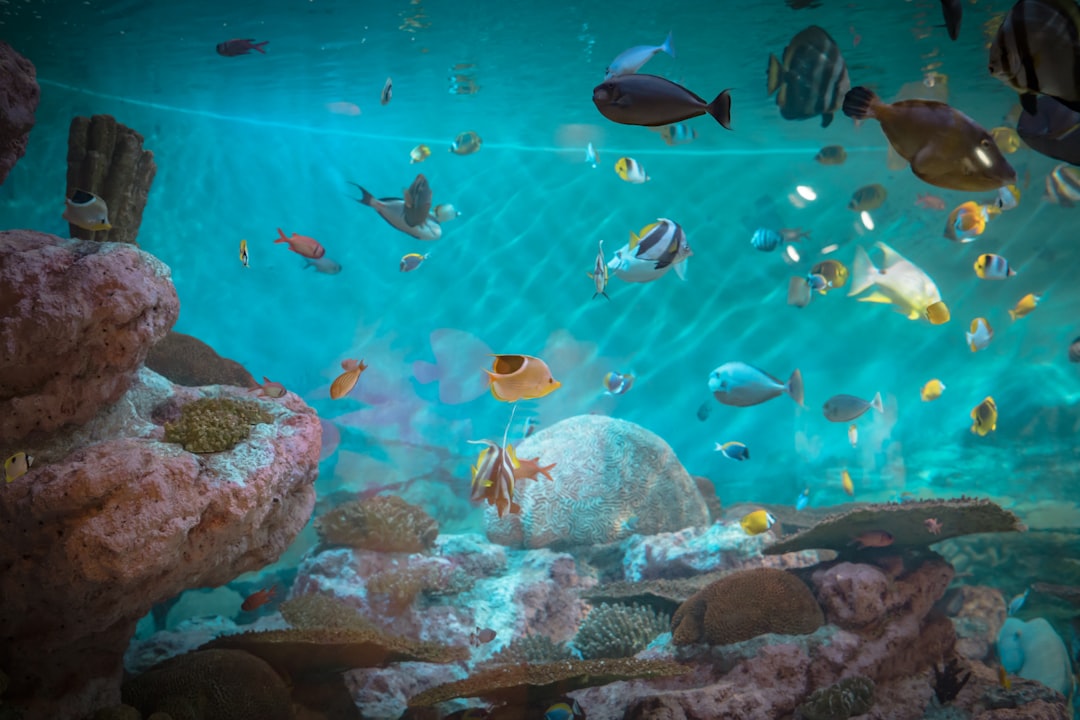
Brilliant, active and genuinely useful, the yellow tang remains one of the most recognisable fish in the marine hobby. Zebrasoma flavescens brings an electric burst of colour to reef tanks while earning its keep as an efficient algae grazer. This yellow tang care guide from Gensou Aquascaping at 5 Everton Park, Singapore covers tank requirements, diet, behaviour and reef compatibility for this iconic Pacific surgeonfish. This guide sits inside our broader Tropical Fish Species Master Index reference.
Species Profile
Zebrasoma flavescens originates primarily from Hawaiian waters, though specimens also appear from the western Pacific. Adults reach 18-20 cm in captivity and can live over 15 years with proper care. Their uniform lemon-yellow colouration — unbroken by stripes or markings — makes them instantly recognisable. A sharp, retractable spine on each side of the caudal peduncle serves as a defensive weapon, so handle these fish carefully during transfers.
Tank Size and Setup
Yellow tangs are active swimmers that require spacious tanks. A minimum of 300 litres is recommended for a single specimen, with 400 litres or more preferred for long-term health. Provide plenty of open swimming space along with live rock structures that offer grazing surfaces and hiding spots. A sand or bare-bottom reef works equally well. Tangs spend much of their day swimming laps and grazing, so a long tank is more suitable than a tall, narrow design.
Water Parameters
Maintain salinity at 1.025, temperature between 24-27 degrees Celsius, pH between 8.0-8.4, ammonia and nitrite at zero and nitrate below 20 ppm. Yellow tangs tolerate typical reef conditions without issue and adapt well to established systems. In Singapore, cooling is essential during warmer months — sustained temperatures above 28 degrees Celsius increase stress and susceptibility to disease, particularly marine ich.
Diet and Feeding
Algae forms the foundation of a yellow tang’s diet. Offer dried nori sheets clipped to the glass or a feeding clip daily — this replicates their natural grazing behaviour and prevents nutritional deficiencies. Supplement with high-quality marine pellets, frozen mysis shrimp and spirulina-enriched foods. A varied diet prevents head and lateral line erosion (HLLE), a condition linked to poor nutrition and water quality that causes pitting around the face and lateral line.
Yellow tangs graze live rock surfaces continuously, consuming film algae, hair algae and diatoms. This natural behaviour provides genuine algae control in reef tanks, making them functional as well as ornamental.
Reef Compatibility
Yellow tangs are considered reef-safe. They do not nip at coral polyps, clam mantles or other invertebrates under normal circumstances. Their algae-grazing habit actually benefits corals by keeping rock surfaces clean and reducing competition for light. However, they can be territorial toward other tangs, particularly those of similar body shape and colour. If keeping multiple tangs, introduce them simultaneously to a large system — 500 litres minimum — and choose species with different body shapes, such as pairing a yellow tang with a blue hippo tang (Paracanthurus hepatus).
Disease Susceptibility
Tangs are notoriously prone to marine ich (Cryptocaryon irritans) and marine velvet (Amyloodinium ocellatum). Quarantine every new tang for a minimum of four to six weeks in a separate tank with therapeutic copper levels before introducing it to your display. Stress from shipping, aggression or poor water quality triggers outbreaks in even previously healthy specimens. UV sterilisers in the display system provide an additional layer of protection by reducing free-swimming parasite loads.
Behaviour and Social Dynamics
A single yellow tang in a community reef is generally peaceful toward non-tang species. It may assert dominance over new fish introductions by chasing or displaying — fanning its fins and raising its dorsal — but aggression rarely escalates to injury. Adding the tang as one of the last fish to your system reduces territorial behaviour. Multiple yellow tangs can coexist in very large systems (800 litres and above), where they often form loose shoals reminiscent of their wild behaviour on Hawaiian reefs.
Is a Yellow Tang Right for Your Reef?
If your tank meets the minimum size requirements and you can commit to a proper quarantine period, a yellow tang makes an outstanding addition to a Singapore reef setup. Prices range from $50-$120 SGD depending on size and source. Their combination of vivid colour, constant activity, algae-control utility and reef safety earns them their enduring popularity among both novice and experienced marine hobbyists.
Related Reading
- Yellow Tang Care Guide: A Classic Marine Fish for Larger Reefs
- Blue Tang Care Guide: Paracanthurus Hepatus in Home Aquariums
- Yellow King Kong Shrimp Care Guide: Golden Caridina Royalty
- Long-Fin Yellow Lab Cichlid Care Guide: Flowing Fins on Mbuna Gold
- Yellow Phantom Tetra Care Guide: Golden Translucence



