
Yellow King Kong Shrimp Care Guide: Golden Caridina Royalty
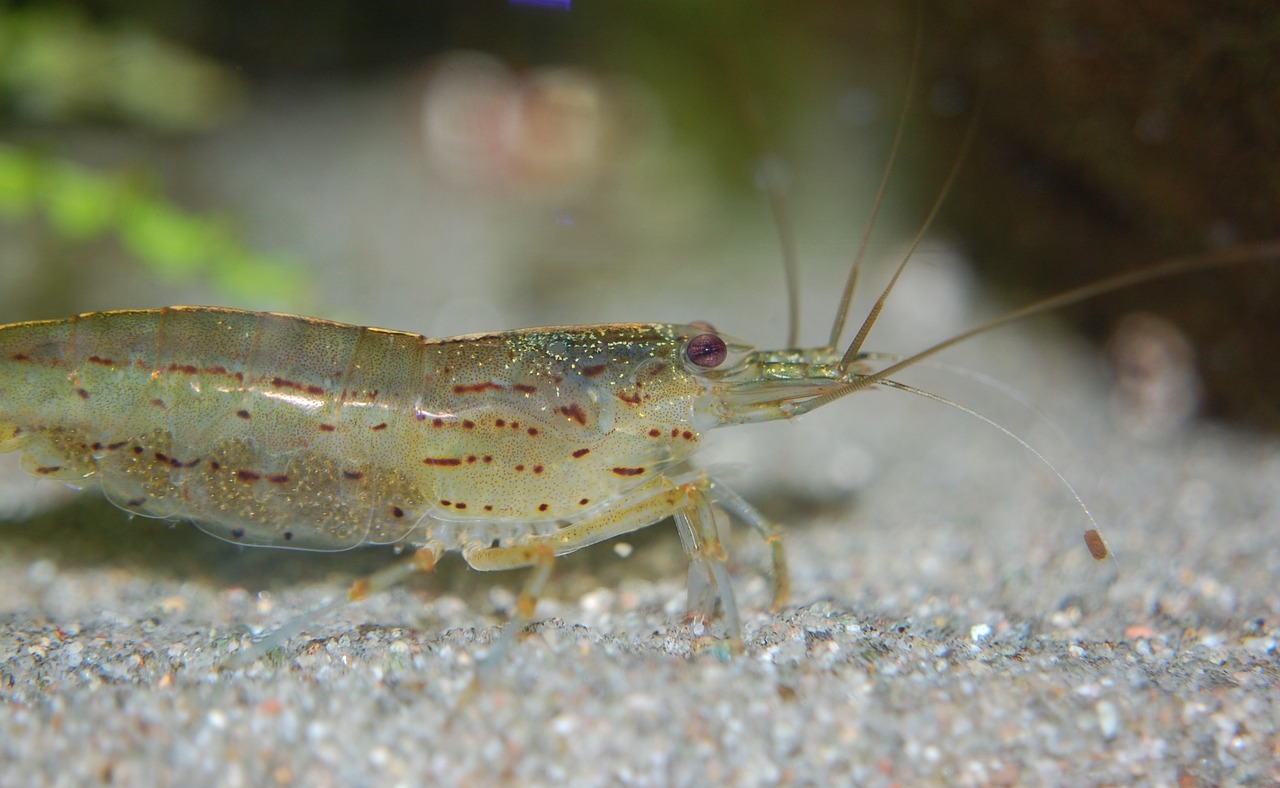
This yellow king kong shrimp care guide covers the essentials of keeping one of the most sought-after Caridina colour morphs in a planted aquarium. At Gensou Aquascaping, located at 5 Everton Park, Singapore, we help hobbyists set up and maintain the precise conditions these golden beauties require to thrive and display their richest colouration. This guide sits inside our broader Tropical Fish Species Master Index reference.
Species Background
The yellow king kong shrimp is a selectively bred variant of Caridina cantonensis, developed through generations of careful line breeding from Taiwan bee shrimp stock. Their intense golden-yellow pigmentation covers the entire body, creating a vivid contrast against dark substrates and green aquatic plants.
As a Caridina species, they are more demanding than their Neocaridina cousins in terms of water parameters and environmental stability. However, the reward for diligent care is a colony of breathtakingly coloured shrimp that serve as living jewels in any aquascape.
Tank Setup
A dedicated shrimp tank of 20 litres or more is ideal. Many keepers use 30 to 45-litre nano aquariums, which provide sufficient volume for a stable colony while remaining manageable for precise parameter control. Active buffering substrates designed for Caridina shrimp, such as those that lower pH to the 5.5 to 6.5 range, are highly recommended.
Plant the tank with mosses, Bucephalandra, and Anubias to provide grazing surfaces and biofilm habitat. Driftwood and cholla wood offer additional surfaces and slowly release beneficial tannins. A sponge filter is the safest filtration choice, as it prevents shrimplets from being drawn into the intake while providing excellent biological filtration and biofilm colonisation.
Water Parameters
Yellow king kong shrimp require soft, acidic water with exceptional stability. Maintain the temperature between 22 and 25 degrees Celsius. In Singapore, this typically means keeping the tank in an air-conditioned room or using a chiller, as ambient temperatures regularly exceed the upper limit of their comfort zone.
Target a pH of 5.4 to 6.2, total dissolved solids of 100 to 150 ppm, and general hardness of 4 to 6 dGH. Remineralised reverse osmosis water is the standard approach among serious Caridina keepers in Singapore, as local tap water is generally too hard and alkaline for these shrimp. Small, frequent water changes of 10 to 15 per cent weekly help maintain consistency.
Feeding and Nutrition
Yellow king kong shrimp are opportunistic omnivores that graze on biofilm, algae, and decaying plant matter. Supplement their natural grazing with high-quality shrimp-specific foods such as pellets, wafers, and powdered supplements. Brands formulated for Caridina species tend to include the right balance of minerals and nutrients.
Offer blanched vegetables like spinach, nettle, and mulberry leaves occasionally. Protein-rich foods such as frozen bloodworms or speciality shrimp foods containing insect meal should be provided once or twice a week to support moulting and reproduction. Avoid overfeeding, as uneaten food degrades water quality rapidly in small tanks.
Moulting and Mineral Balance
Successful moulting depends on proper mineral balance in the water. Calcium and magnesium, provided through a Caridina-specific remineraliser, are essential for building healthy new exoskeletons. Failed moults, where shrimp become trapped in their old shell, are a common issue when mineral levels are insufficient.
Montmorillonite clay and mineral stones placed in the tank provide supplementary minerals that shrimp graze on as needed. After moulting, shrimp are temporarily vulnerable and will hide among plants and hardscape until their new shell hardens. Providing ample hiding spots reduces stress during this critical period.
Breeding Yellow King Kong Shrimp
With stable parameters and a well-established tank, yellow king kong shrimp breed readily. Females carry between 15 and 30 eggs under their swimmerets for approximately 28 to 30 days before releasing fully formed miniature shrimplets. The babies are self-sufficient from birth, grazing on biofilm and powdered food.
Maintain strict parameter stability during the breeding cycle, as fluctuations can cause females to drop their eggs prematurely. Avoid unnecessary tank maintenance during the gestation period. A mature tank with abundant biofilm supports higher shrimplet survival rates, as the young have immediate access to their primary food source.
Health and Common Problems
Bacterial infections, parasitic infestations, and failed moults are the primary health concerns. Prevent issues by maintaining pristine water quality, avoiding cross-contamination between tanks, and quarantining new shrimp or plants before adding them to an established colony.
Planaria and hydra can prey on shrimplets and should be addressed promptly if detected. Copper-based medications are lethal to shrimp, so never use them in a shrimp tank. In Singapore’s humid conditions, ensure the tank area has good ventilation to prevent mould growth near open-top setups.
Yellow King Kong Shrimp in Singapore Aquascaping
The yellow king kong shrimp represents the pinnacle of Caridina breeding, combining stunning aesthetics with the rewarding challenge of precise husbandry. Their golden glow against a lush planted backdrop creates a display that captivates both casual observers and seasoned hobbyists. For Singaporean shrimp keepers ready to invest in premium Caridina, this morph offers immense satisfaction. Consult Gensou Aquascaping at 5 Everton Park for guidance on setup, sourcing, and maintaining a thriving yellow king kong colony.
Related Reading
- Black King Kong Shrimp Care Guide: The Darkest Caridina
- Amano Shrimp Breeding Challenges: Larval Stages and Saltwater Phase
- How to Breed Amano Shrimp: The Challenging but Rewarding Process
- Amano Shrimp vs Cherry Shrimp: Which Is Better for Your Tank?
- Amano Shrimp vs Otocinclus: Which Algae Crew Wins?



