
How to Breed German Blue Ram Cichlids: Pairing, Spawning and Fry Care
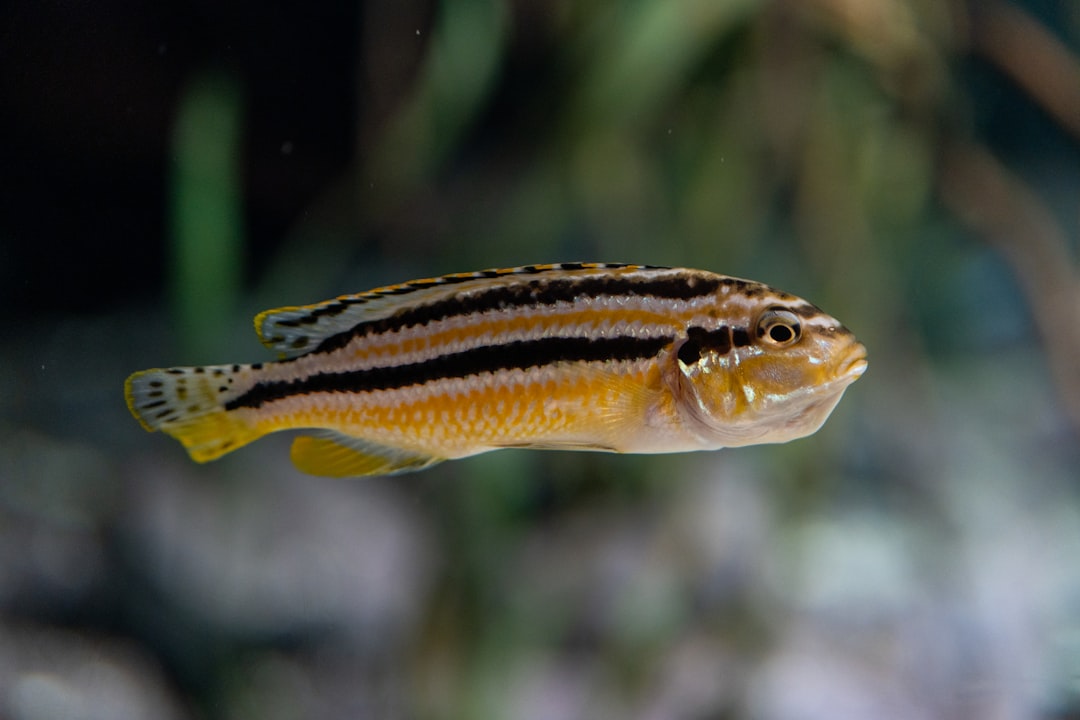
The German Blue Ram (Mikrogeophagus ramirezi) is one of the most beautiful dwarf cichlids in the hobby, and breeding them successfully is a deeply satisfying challenge. Understanding how to breed German blue ram cichlids requires attention to water chemistry, pair bonding, and fry nutrition that many guides gloss over. At Gensou Aquascaping, 5 Everton Park, Singapore, we have bred multiple generations of this species and share our tested methods here.
Selecting a Breeding Pair
Rams pair best when allowed to choose their own partner from a group of six to eight juveniles. Males are typically larger with extended dorsal fin rays and more intense blue iridescence. Females display a pink-red belly patch, especially when in breeding condition. Avoid commercially bred balloon or electric blue variants for breeding projects, as these often carry genetic weaknesses that reduce fertility. Source wild-type or quality line-bred fish from reputable breeders. Expect to pay $15-25 SGD per fish for healthy, well-coloured specimens in Singapore.
Setting Up the Breeding Tank
A 60-litre tank dedicated to breeding works well for a single pair. Use fine sand substrate, which the fish will rearrange around their chosen spawning site. Provide flat stones, small clay pots, or broad-leaved plants like Echinodorus as potential egg-laying surfaces. Filtration should be gentle; a small sponge filter avoids sucking up fry while maintaining water quality. Keep lighting subdued with floating plants like Salvinia or Ceratopteris to reduce stress and encourage natural behaviour.
Water Parameters for Spawning
This is where many breeders fail. Rams originate from soft, acidic waters in the Orinoco basin and breed most reliably at pH 5.5-6.5, GH 1-4, and temperature 28-30 degrees Celsius. Singapore’s PUB tap water is naturally soft (GH 2-4), which is a genuine advantage for ram breeders. Filter through peat or add Indian almond leaves to lower pH and tint the water with tannins. Reverse osmosis water mixed with a small amount of tap water gives precise control. Maintain temperature at 29 degrees Celsius to trigger breeding behaviour.
Spawning Behaviour
A bonded pair begins cleaning a flat surface days before spawning. Both fish become territorial, chasing away tank mates aggressively. The female deposits 150-300 small, oval eggs in neat rows on the prepared surface, and the male follows to fertilise them. Eggs are adhesive and slightly translucent. Fertile eggs develop a tan hue within 24 hours, while infertile ones turn white and fuzzy. Some pairs eat their first few spawns; this is normal and usually resolves after two or three attempts as the pair gains experience.
Egg Care and Hatching
Both parents fan the eggs with their pectoral fins to maintain water flow and pick off fungused eggs. Hatching occurs in approximately 60 hours at 29 degrees Celsius. The wrigglers remain attached to the substrate by a yolk sac for another three to four days, during which the parents may move them between pre-dug pits in the sand. Resist the temptation to interfere during this stage. If you have experienced repeated egg-eating, you can remove the spawning stone to a separate hatching container with matching water parameters and a gentle air stone, though parental care produces stronger fry.
Feeding the Fry
Once free-swimming, ram fry are tiny and require microscopic first foods. Infusoria cultured from blanched lettuce in aged water is an excellent starter food for the first three to four days. Transition to freshly hatched baby brine shrimp (Artemia nauplii) once the fry are large enough to consume them, typically by day five. Feed small amounts three to four times daily, siphoning uneaten food carefully to maintain water quality. Microworms and vinegar eels serve as supplementary live foods. Growth is steady but not fast; expect the fry to reach 1.5 cm by six weeks.
Growing Out Juveniles
Move juveniles to a larger grow-out tank of 80-120 litres once they reach 1 cm to prevent stunting. Maintain the same soft, warm water parameters as the breeding tank. Begin introducing crushed flake food and micro pellets alongside live foods at around four weeks. Colour begins developing at eight to ten weeks, and fish typically reach sellable size of 3-4 cm by three to four months. Cull or separate any fish showing deformities early. In Singapore, well-bred German Blue Rams sell readily on Carousell and through local fish shops for $10-15 SGD each.
Related Reading



