
German Blue Ram Breeding Guide: Spawning Mikrogeophagus Ramirezi
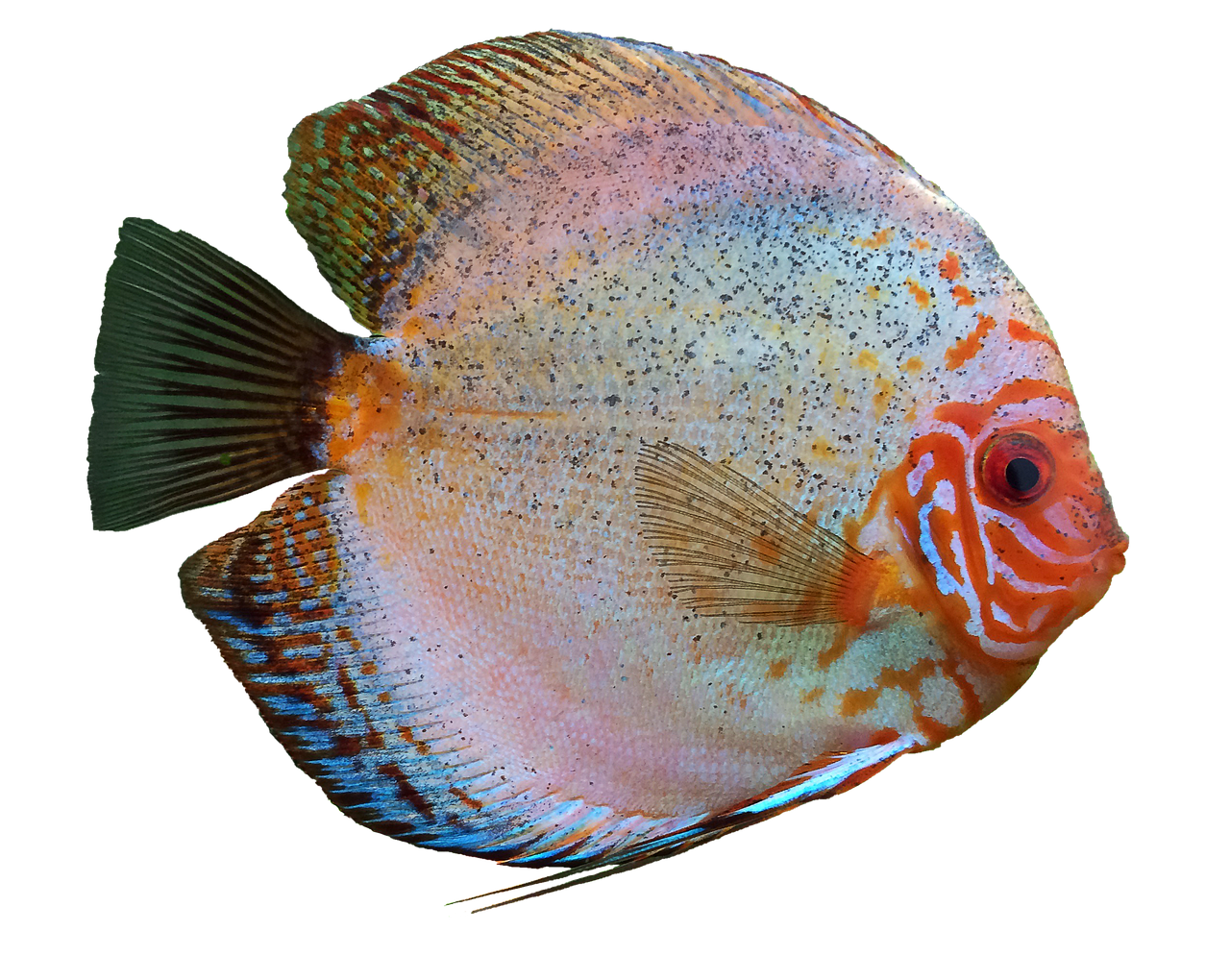
Breeding Mikrogeophagus ramirezi — the German blue ram — is one of the most rewarding challenges in the dwarf cichlid hobby. Watching a bonded pair tend their eggs on a carefully cleaned stone, then shepherd a cloud of tiny fry around the tank, is genuinely captivating. This german blue ram breeding guide walks you through pairing, spawning triggers, egg care and raising fry in Singapore’s tropical conditions. At Gensou Aquascaping, 5 Everton Park, Singapore, we have bred rams across multiple generations and are happy to share what works.
Selecting a Breeding Pair
Sexing adult rams is straightforward. Males are slightly larger (6-7 cm vs 5-6 cm for females), have more elongated dorsal fin rays and display bolder blue iridescence. Females show a pink-to-red belly patch, which intensifies dramatically when they are ready to spawn. The most reliable approach is to buy a group of six juveniles, raise them together, and let pairs form naturally — forced pairing often leads to aggression and egg eating.
Choose fish with bright eyes, full bodies and active behaviour. Avoid individuals with pinched bellies or faded colour, which may indicate internal parasites or poor genetics from mass-breeding operations. Locally bred rams tend to be hardier than imported stock.
Breeding Tank Setup
A dedicated 45-60 cm breeding tank simplifies the process. Equip it with a sponge filter (gentle flow that will not scatter fry), a heater set to 28-29 °C and moderate lighting. Substrate should be fine sand, with several flat stones or small terracotta saucers positioned on the bottom as potential spawning sites. Add a few stems of Java fern or Anubias for cover, but keep the layout open enough to observe spawning behaviour.
If breeding in a community tank, ensure the pair has a defensible territory of at least 30 cm radius around the spawning site. Remove aggressive tank mates — even small tetras will eat eggs if given the chance.
Water Parameters for Spawning
This is the most critical factor. Rams originate from warm, soft, acidic waters in the Venezuelan and Colombian llanos. For breeding, target pH 5.5-6.5, GH 1-4 and KH 0-2. Singapore’s PUB tap water (GH 2-4, KH 1-3) is remarkably close. A few Indian almond leaves or a small bag of peat in the filter nudges pH into the ideal acidic range without harsh chemicals.
Temperature is the key spawning trigger. Raise it gradually from 27 °C to 29-30 °C over two to three days, combined with a large (50 percent) water change using slightly cooler, conditioned water. This mimics the onset of the rainy season and reliably induces spawning behaviour in well-conditioned pairs.
Conditioning and Spawning Behaviour
Feed the pair generously with live and frozen foods — baby brine shrimp, daphnia, bloodworms — for seven to ten days before attempting to trigger spawning. Well-fed females develop a visibly rounded belly and an intensely red ventral patch.
When ready, the pair cleans a flat surface meticulously, picking at it with their mouths for hours. The female makes test passes over the stone before depositing rows of small, adhesive eggs — typically 100-200 per clutch. The male follows immediately, fertilising each row. The entire spawning process takes one to two hours.
Egg Care and Hatching
Both parents fan the eggs with their pectoral fins and remove any that turn white (unfertilised or fungused). Fertile eggs are translucent with a slight amber tint. At 29 °C, hatching occurs in 48-60 hours. The wrigglers remain attached to the substrate by a short adhesive thread for another three to four days while they absorb their yolk sacs.
First-time pairs frequently eat their eggs. This is frustrating but normal — it often takes two or three attempts before parental instincts override the impulse. If egg eating persists, you can artificially hatch by moving the stone to a small container with matching water parameters, an airstone for gentle circulation and a few drops of methylene blue to prevent fungus.
Raising the Fry
Once free-swimming, fry are tiny — roughly 3 mm — and need appropriately small food. Infusoria, paramecium cultures or commercial liquid fry food sustain them for the first five to seven days. Transition to freshly hatched baby brine shrimp (Artemia nauplii) as soon as the fry are large enough to consume them, typically by day seven.
Feed small amounts three to four times daily and siphon uneaten food carefully to prevent water fouling. Perform 10 percent water changes daily using a slow drip method to avoid shocking the fry. Keep the grow-out tank covered — fry are sensitive to temperature fluctuations, and Singapore’s air-conditioned rooms can cause drops at night.
Growth and Juvenile Care
Fry develop colour gradually. By four weeks, they show faint vertical barring. By eight to ten weeks, males begin displaying the signature blue spangles. Separate overly aggressive juveniles to prevent fin nipping. At three months, young rams reach 2-3 cm and can be moved to community tanks or offered to fellow hobbyists.
Feed juveniles crushed micro pellets, frozen cyclops and baby brine shrimp. Maintain pristine water quality — juvenile rams are more sensitive to ammonia and nitrite than adults.
Common Breeding Problems
Egg fungus is the number-one issue. It spreads from dead eggs to viable ones within hours. Keep water impeccably clean and remove white eggs promptly if the parents do not. Low fertilisation rates usually indicate the male is too young or stressed — give him time and ensure the tank is calm.
Fry mortality in the first week often results from starvation; the transition from yolk sac to external food is a bottleneck. Have infusoria or liquid fry food ready before the eggs even hatch. For breeding pairs, spawning stones and live cultures of baby brine shrimp, visit Gensou Aquascaping at Everton Park — we are always glad to support fellow ram breeders in Singapore.
Related Reading
- Electric Blue Ram Care Guide: Stunning but Sensitive
- How to Breed German Blue Ram Cichlids: Pairing, Spawning and Fry Care
- Blue Acara Cichlid Care Guide: The Overlooked Gem
- Amano Shrimp Breeding Challenges: Larval Stages and Saltwater Phase
- Amano Shrimp Breeding: Why It Is So Difficult and How to Try



