
Pajama Cardinalfish Care Guide: Sphaeramia Nematoptera in Reef Tanks
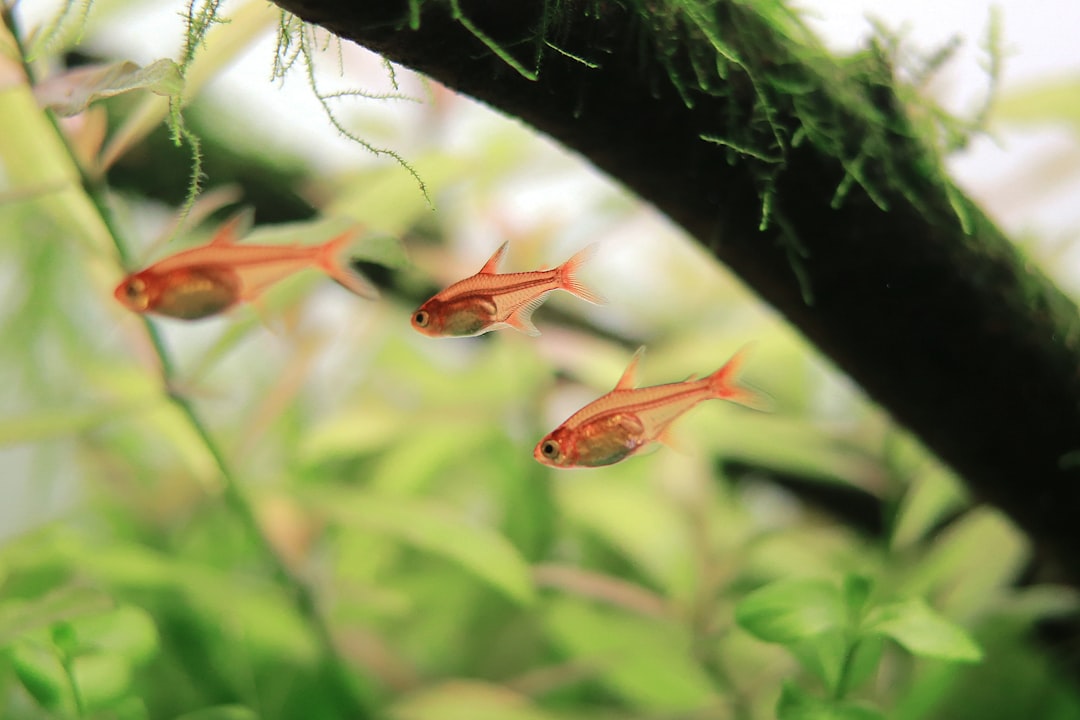
Few reef fish combine quirky good looks with genuinely peaceful temperament the way the pajama cardinalfish does. This pajama cardinalfish care guide from Gensou Aquascaping, 5 Everton Park, Singapore, covers everything you need to keep Sphaeramia nematoptera thriving in a home reef. With their oversized eyes, bold midband stripe, and polka-dot hindquarters, these small cardinalfish add character to any community reef without bullying tankmates or nipping corals.
Species Overview
Sphaeramia nematoptera originates from the Western Pacific, found in lagoons and sheltered reef flats from Indonesia to the Great Barrier Reef. Adults reach roughly 8 cm in length. They are mouthbrooders — the male incubates fertilised eggs in his mouth for seven to ten days, during which he does not eat. In the wild they form loose schools among branching corals, hovering almost motionless during the day and becoming active feeders at dusk.
Tank Requirements
A single pajama cardinalfish does fine in a 60-litre nano reef, but a small group of three to five requires at least 120 litres to avoid territorial squabbles. Provide branching rock structures or coral colonies where the fish can shelter during the day. Moderate flow suits them well — they are not strong swimmers and will struggle in tanks with powerheads creating heavy laminar current. Lighting intensity is not a concern for the fish themselves, though their colours look best under a balanced spectrum with some blue actinic.
Water Parameters and Singapore Conditions
Maintain salinity at 1.024 to 1.026 specific gravity, temperature between 25 and 28 degrees Celsius, and pH of 8.1 to 8.4. Singapore’s ambient warmth means your reef likely sits comfortably within range without a heater, though a chiller or fan may be needed in non-air-conditioned rooms during the hottest months. Ammonia and nitrite must read zero, while nitrate below 10 ppm keeps these fish in peak condition. They tolerate minor parameter fluctuations better than many marine species, making them a solid choice for newer reefers still dialling in stability.
Feeding Habits
Pajama cardinalfish accept a wide range of foods. Offer a mix of frozen mysis shrimp, enriched brine shrimp, and high-quality marine pellets like NRD or Hikari Marine S. They are crepuscular feeders — most active at dawn and dusk — so timing feedings to coincide with lights dimming or ramping up encourages natural behaviour. Feed small amounts twice daily rather than one large meal. Freshly hatched baby brine shrimp make excellent supplementary food and can be easily hatched at home using a simple bottle and air pump setup.
Reef Compatibility
This species is considered fully reef-safe. They do not pick at coral tissue, clam mantles, or invertebrates. Their peaceful disposition makes them compatible with clownfish, firefish, gobies, and most wrasses. Avoid housing them with aggressive dottybacks or large angelfish that may intimidate them into hiding permanently. In a mixed reef, a small group of pajama cardinalfish hovering among Acropora branches mimics their natural habitat beautifully.
Social Behaviour and Group Dynamics
Keeping a single specimen works, but a group of five or more displays far more interesting behaviour. They establish a loose hierarchy, with the dominant male claiming the prime sheltering spot. Mild fin-flaring occurs but rarely escalates to injury. Odd-numbered groups tend to be more stable than even-numbered ones, as pairs within a group can become territorial toward remaining individuals. If you spot a male holding his jaw closed and refusing food, he is likely incubating eggs — a fascinating behaviour to observe in captivity.
Common Health Issues
Pajama cardinalfish are relatively hardy but susceptible to marine ich (Cryptocaryon irritans) during the stress of shipping and acclimation. Quarantine new arrivals for 14 to 21 days in a bare-bottom tank with PVC hiding spots, treating prophylactically with copper if your quarantine protocol includes it. Bacterial infections occasionally appear as cloudy eyes or frayed fins, typically triggered by poor water quality. Maintaining stable parameters and clean water prevents most health problems. Available at most marine shops in Singapore for $12 to $20 SGD, these fish offer exceptional value for the colour and behaviour they bring to a reef community.
Related Reading



