
Bicolor Blenny Care Guide: Ecsenius Bicolor Personality and Reef Safety
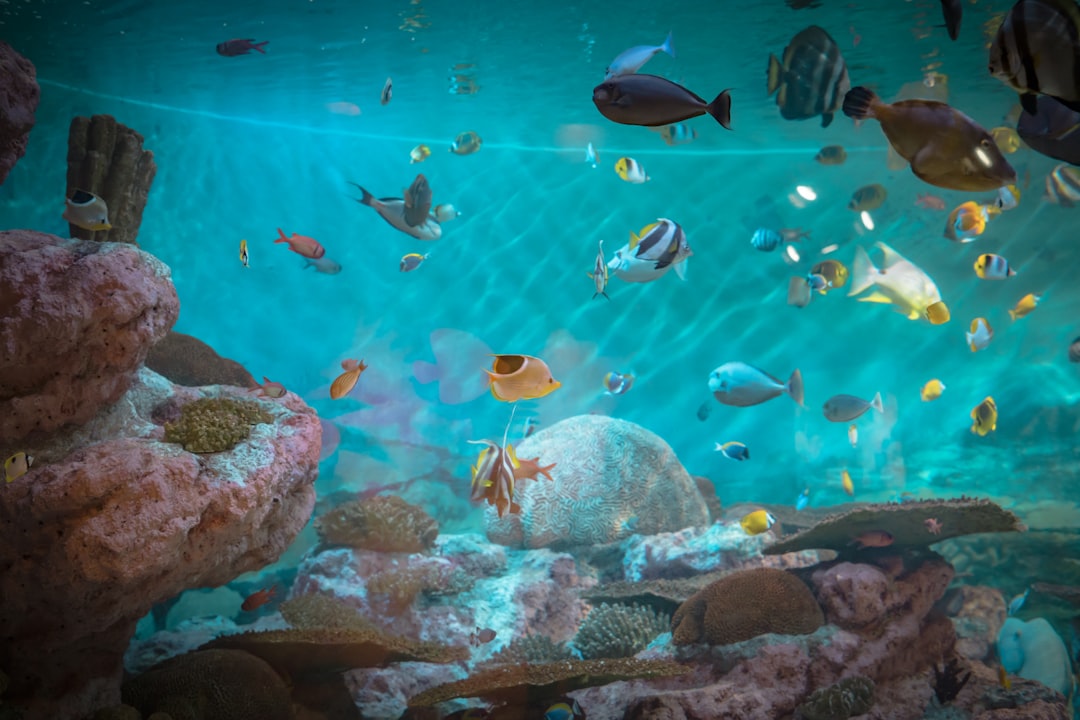
Split neatly into a dark anterior and bright orange-gold posterior, the bicolor blenny is one of the most recognisable combtooth blennies in the marine hobby. Ecsenius bicolor thrives in reef aquariums and brings constant entertainment with its habit of peering out from rockwork crevices like a curious watchdog. This bicolor blenny care guide from Gensou Aquascaping at 5 Everton Park, Singapore walks you through housing, feeding and compatibility for this charismatic species.
Natural Habitat and Distribution
Bicolor blennies inhabit shallow reef flats and rubble slopes throughout the Indo-Pacific, from the Maldives through Southeast Asia to Fiji. They favour depths of 1-25 metres, perching on dead coral heads and rock surfaces where algae growth is abundant. In the wild, each individual claims a small territory of roughly half a square metre, defending it vigorously against other blennies while largely ignoring unrelated species.
Minimum Tank Size and Setup
While some guides suggest tanks as small as 30 litres, a more realistic minimum is 60 litres. Bicolor blennies are active grazers that need sufficient rockwork surface area to sustain natural feeding behaviour. Arrange live rock to create multiple perching ledges at varying heights. A sandy substrate is not critical since this species rarely ventures to the tank floor, but it completes the natural aesthetic. Secure any loose rocks carefully as these blennies wedge themselves into surprisingly tight gaps.
Water Conditions for Singapore Hobbyists
Target a salinity of 1.024-1.026 SG, temperature of 24-28 degrees C, pH of 8.1-8.4 and alkalinity of 7-11 dKH. Singapore’s warm ambient conditions mean your tank water may sit at 29-30 degrees C without cooling, which pushes the comfort limit. A clip-on fan dropping surface temperature by 2-3 degrees C often suffices. PUB tap water run through a quality RODI unit produces excellent makeup water, though you must ensure the membrane rejects chloramine effectively.
Diet and Feeding Strategy
Bicolor blennies are primarily herbivorous, rasping microalgae and biofilm from rock surfaces throughout the day. In tanks with limited natural algae, supplement with spirulina-enriched flakes, marine algae pellets and dried nori. They will also accept frozen mysis shrimp and enriched brine shrimp, providing useful protein variety. Avoid relying solely on prepared foods. A healthy growth of green film algae on back and side glass panels gives the blenny a constant supplementary food source between feedings.
Reef Safety and Coral Interactions
The bicolor blenny is generally reef-safe, but occasional individuals develop a taste for LPS coral mucus or clam mantles. This behaviour is uncommon and typically linked to underfed specimens. Keeping algae growth available and feeding twice daily minimises the risk substantially. SPS corals, soft corals and most invertebrates are left entirely alone. If you notice nipping, increase vegetable-based feedings before considering removal.
Compatibility and Aggression
Despite its small size of around 10 cm, the bicolor blenny punches above its weight in territorial disputes. It will chase other blennies and similarly shaped fish relentlessly in confined spaces. House only one per tank unless the system exceeds 200 litres with separate rock structures. Peaceful tank mates include clownfish, cardinalfish, dartfish, small wrasses and most gobies. Avoid pairing with other Ecsenius species or the lawnmower blenny (Salarias fasciatus), as conflicts are almost guaranteed.
Health and Quarantine
Bicolor blennies are hardy once established but arrive stressed from collection and shipping. Quarantine for a minimum of two weeks using observation or prophylactic treatment. Marine ich and flukes are the primary concerns. Locally sourced specimens from Indonesian waters, available at shops along Serangoon North Avenue 1 or via Carousell sellers, typically cost $12-$20 SGD. Choose specimens that are actively perching and alert rather than hiding listlessly at the bottom of the dealer’s tank.
Why This Blenny Deserves a Spot in Your Reef
Bicolor blennies reward patient reefers with behaviour rarely seen in other small marine fish. They learn to recognise their keeper, often swimming to the front glass at feeding time and accepting food from tweezers. Their algae-grazing habit provides genuine utility in controlling nuisance film algae. For a reef tank of 60 litres or more, few fish deliver this combination of character, colour and practical benefit at such a modest price point.
Related Reading



