
Fire Shrimp Care Guide: Lysmata Debelius the Blood Red Beauty
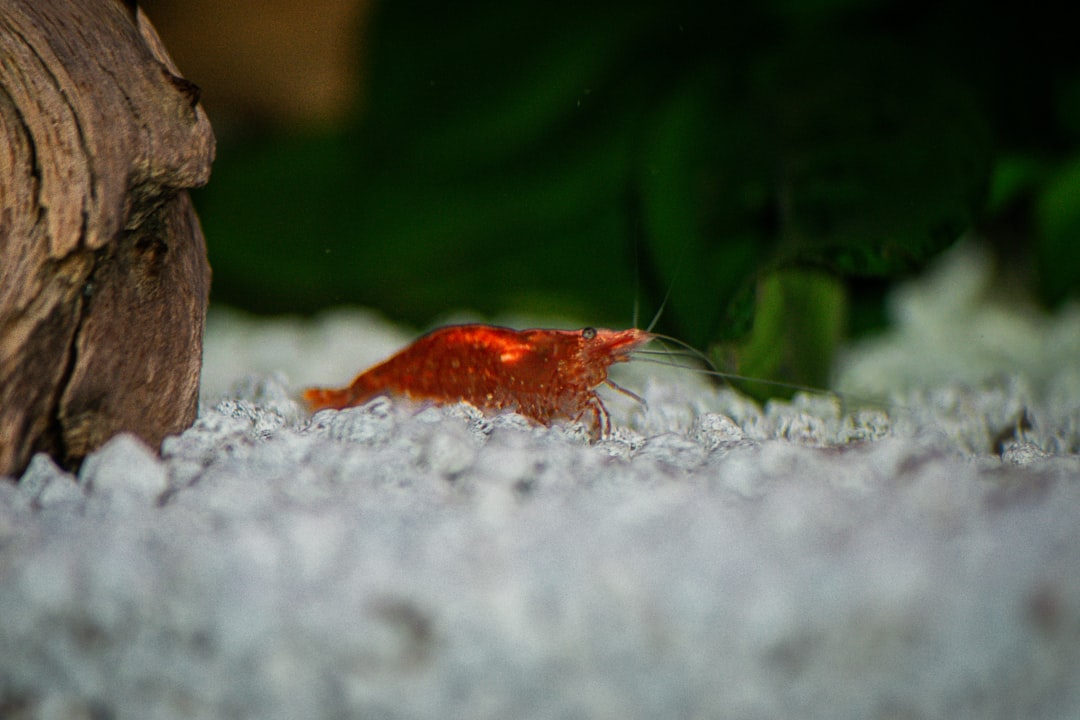
Brilliant blood-red colouration, contrasting white antennae, and a surprisingly bold personality make the fire shrimp one of the most visually striking invertebrates available to reef keepers. Lysmata debelius, also called the blood shrimp or scarlet cleaner shrimp, commands attention in any marine setup. This fire shrimp care guide from Gensou Aquascaping at 5 Everton Park, Singapore covers everything from acclimation to long-term husbandry, drawing on our team’s two decades of reef experience in Singapore’s tropical conditions.
Appearance and Identification
Lysmata debelius is unmistakable. The entire body is a deep, vivid crimson with scattered white spots along the carapace and legs. Its antennae are pure white, often longer than the body itself, creating a dramatic display against dark rockwork. Adults reach 5-7 cm in body length. Unlike the more commonly available cleaner shrimp (L. amboinensis), fire shrimp are noticeably shyer and spend more time tucked into crevices, emerging primarily at feeding time or under subdued lighting.
Tank Setup and Hiding Spots
A minimum tank volume of 60 litres accommodates a single fire shrimp comfortably. Rockwork is essential — create caves, overhangs and narrow tunnels where the shrimp can retreat during the day. Without adequate shelter, fire shrimp remain perpetually stressed, losing colour intensity and becoming susceptible to disease. Position rocks to form shaded areas beneath your light fixture, as these shrimp naturally inhabit deeper reef walls and cave mouths where light levels are low.
Stable water parameters are non-negotiable. Maintain specific gravity at 1.024-1.026, temperature at 24-26°C, pH of 8.1-8.4 and alkalinity of 8-11 dKH. Singapore’s warm climate means a chiller or cooling fan is usually necessary to prevent temperatures creeping above 27°C during the hotter months.
Acclimation and First Days
Fire shrimp are among the most acclimation-sensitive ornamental shrimp available. Drip acclimate for a full 90 minutes, tripling the bag water volume before gently netting the shrimp into your display. Rapid salinity changes of even 0.002 specific gravity can trigger fatal osmotic shock. After introduction, do not be alarmed if the shrimp disappears into the rockwork for several days. This hiding behaviour is normal and will ease as the animal establishes its territory.
Feeding Requirements
While fire shrimp exhibit some cleaning behaviour towards fish, they are less active cleaners than L. amboinensis. They rely more on scavenging and direct feeding. Offer frozen mysis, enriched brine shrimp, finely chopped squid or quality marine pellets two to three times weekly. Target feeding near their preferred cave using a pipette ensures they receive adequate nutrition, especially in tanks with fast, competitive fish. Overfeeding is unnecessary — two or three small pieces per session suffice.
Reef Compatibility and Tankmate Selection
Fire shrimp are completely reef-safe and pose no threat to corals, clams or other sessile invertebrates. They coexist well with other Lysmata species and most peaceful reef fish. Avoid housing them with known shrimp predators: hawkfish, large wrasses, dottybacks and triggerfish will hunt and consume them. Certain aggressive clownfish defending anemone territory may also harass fire shrimp that wander too close. Pairing fire shrimp with cleaner shrimp or peppermint shrimp creates a visually diverse and functionally effective invertebrate team.
Moulting and Mineral Needs
Regular moulting occurs every four to six weeks. The shed exoskeleton retains the shrimp’s red colouration and is frequently mistaken for a dead animal — check for movement inside caves before assuming the worst. Calcium (400-450 ppm), magnesium (1280-1350 ppm) and trace iodine support healthy moult cycles. Failed moults, where the old shell remains partially attached, typically indicate mineral deficiency. Leave the discarded exoskeleton in the tank; the shrimp and other clean-up crew members will consume it for mineral recycling.
Common Health Concerns
Copper exposure is invariably lethal. Never use copper-based medications in a tank containing fire shrimp or any invertebrate. Bacterial infections occasionally manifest as white or opaque patches on the shell, often following physical injury or a failed moult. Maintaining pristine water quality is the best preventive measure. Sudden parameter swings after water changes claim more fire shrimp than any pathogen, so match temperature, salinity and pH carefully before adding new saltwater.
Pricing and Availability
Fire shrimp typically cost $30-50 SGD in Singapore’s marine fish shops, reflecting their higher wholesale price compared to cleaner or peppermint shrimp. Shops around the Serangoon North area and C328 Clementi regularly stock them. Select specimens with intense, uniform red colouration and intact antennae. Pale or blotchy individuals may be stressed, recently moulted or suffering from poor water conditions at the point of sale. A healthy fire shrimp will eventually reward your patience with years of vivid colour and engaging behaviour in your reef.
Related Reading
- Cherry Shrimp Colour Grading: From Lowest to Painted Fire Red
- Fire Red Cherry Shrimp Selective Breeding: From Sakura to Painted
- Fire Red Shrimp Care Guide: The Brightest Neocaridina
- Painted Fire Red Shrimp Care Guide: The Highest Grade Neocaridina
- Amano Shrimp Breeding Challenges: Larval Stages and Saltwater Phase



