
Flowerhorn Cichlid Genetics and Breeding: Kok Development and Colour Lines
Flowerhorn cichlids are among the few aquarium fish created entirely through selective hybridisation, and their genetics remain both fascinating and frustratingly unpredictable. This flowerhorn genetics breeding guide from Gensou Aquascaping at 5 Everton Park, Singapore explores the science and art behind kok development, colour line inheritance and fry selection. Whether you are pairing your first breeding couple or refining a line over multiple generations, understanding the genetic principles at work will sharpen your results considerably.
Origins and Hybrid Lineage
Flowerhorns emerged in the late 1990s from crosses between Central and South American cichlids, primarily Cichlasoma trimaculatum, Vieja synspilum and Amphilophus citrinellus. Malaysian and Taiwanese breeders drove early development, and Singapore quickly became a major hub for refinement and export. Because flowerhorns are hybrids rather than a natural species, their genetics do not follow clean Mendelian patterns. Offspring from the same pair can vary dramatically in colour, body shape and kok potential, making selective culling an essential part of the breeding process.
Understanding Kok Development
The nuchal hump, or kok, is the defining feature of a quality flowerhorn. Kok size is influenced by both genetics and environment, though genetics sets the upper limit. Males typically develop larger koks than females, and the trait tends to appear between 6 and 12 months of age. Not every male will develop a prominent kok. Fish from proven kok-producing bloodlines have a significantly higher chance than random pairings. Environmental factors that support kok growth include high-protein diets, warm water between 28 and 32 degrees Celsius, adequate tank space and reduced stress from tank mates.
Some breeders use hormonal supplements to artificially inflate koks, but this produces temporary results and can harm the fish’s health. Natural kok development through good genetics and proper care always yields superior long-term outcomes.
Colour Lines and Inheritance
Major colour categories include Kamfa, which emphasises body pearling, square body shape and water-head koks; and Zhen Zhu (Pearl), which features more extensive pearling and typically rounder head shapes. Golden Monkey or Golden Base lines carry bright yellow-gold base colouration, while Super Red varieties prioritise intense red coverage. Crossing between lines produces unpredictable results. A Kamfa crossed with a Zhen Zhu may yield fry exhibiting traits of neither parent. Experienced breeders typically work within a single line, selecting the best offspring to pair back to unrelated fish of the same lineage.
Selecting a Breeding Pair
Choose a male with the traits you want to amplify: strong kok, vivid colour, desirable body proportions and prominent pearling. The female contributes equally to offspring quality, so select one with intense base colour, good body shape and clear markings, even though females rarely show large koks. Both fish should be healthy, at least 15 cm in length and between 12 and 18 months old. Condition them separately on a high-protein diet of prawns, pellets and occasional insects for two to three weeks before introducing them.
Spawning and Fry Management
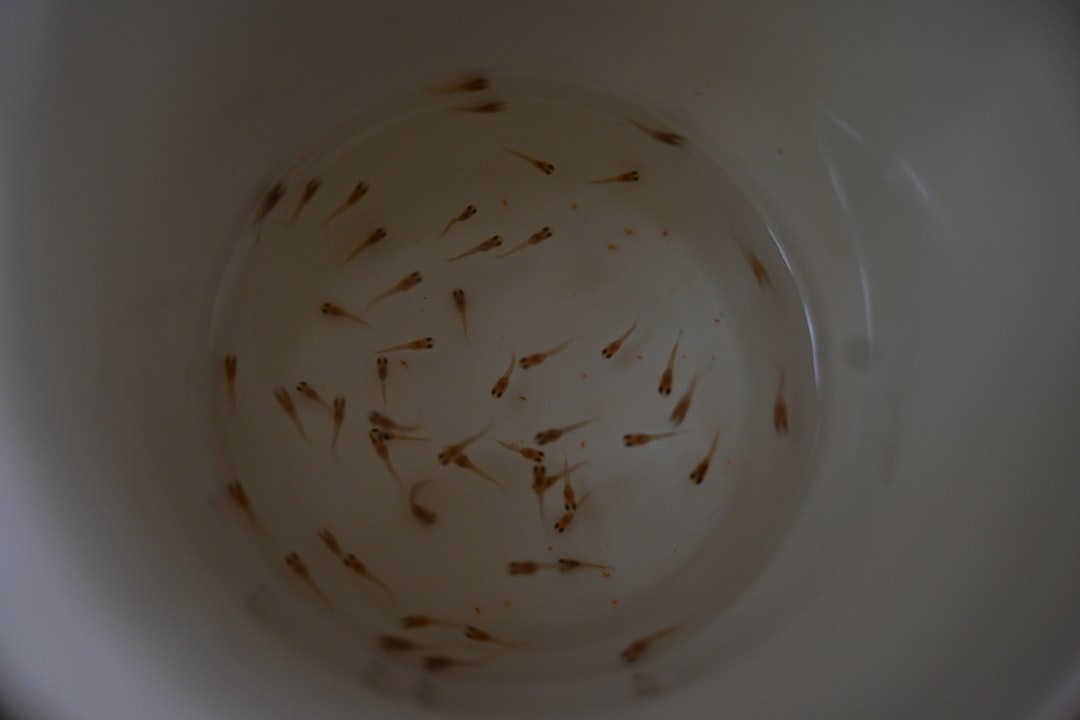
Place a divider between the pair initially, allowing them to see and assess each other. Aggressive flashing and lip-locking through the divider indicate readiness. Remove the divider under supervision. Provide a flat stone or ceramic plate as a spawning surface. A single spawn can produce 500 to 2,000 eggs. The female typically guards the eggs, which hatch in two to three days at 28 degrees Celsius. Free-swimming fry appear within a week and can be fed newly hatched brine shrimp and finely crushed pellets.
Culling and Grading Fry
This is where many hobbyists struggle emotionally but must commit intellectually. From a spawn of 1,000 fry, perhaps 50 to 100 will show desirable traits by the three-month mark. Grade for body shape first, then colour intensity, pearling quality and early signs of kok development. Remove deformed, dull or off-type fish at each grading round. Serious breeders in Singapore typically conduct three to four culling rounds during the first six months, keeping only the top 5 to 10 per cent for grow-out and evaluation.
Growing Out Selected Fish
House graded juveniles in spacious grow-out tanks with strong filtration and frequent water changes. Feed three to four times daily with high-quality pellets, supplemented with frozen bloodworms and chopped prawns. At six to eight months, kok potential becomes clearer, and you can identify prospective breeders for the next generation. Keep detailed records of parentage, spawn dates and grading notes. Over three to four generations of careful selection, colour consistency and kok reliability improve noticeably.
Market Considerations in Singapore
Quality flowerhorns fetch $50 to $500 at local shops, with exceptional show-grade fish commanding thousands. The local market values intense red colouration, prominent head shape and clear pearling patterns. Sell culled fish early to recover costs and fund your breeding operation. Carousell and local Facebook groups like Singapore Flowerhorn Enthusiasts are active marketplaces. Photography matters enormously when selling online, so invest time in clean, well-lit images that accurately represent your fish’s colour and kok.
Related Reading
- Amano Shrimp Breeding Challenges: Larval Stages and Saltwater Phase
- Amano Shrimp Breeding: Why It Is So Difficult and How to Try
- Bristlenose Pleco Breeding Guide: Caves, Fry and Colony Management
- Celestial Pearl Danio Breeding Guide: Spawning Galaxy Rasboras at Home
- Endler-Guppy Selective Breeding Guide: Hybrid Strains and Purity



