Scarlet Badis Care Guide: Dario Dario the Micro Predator
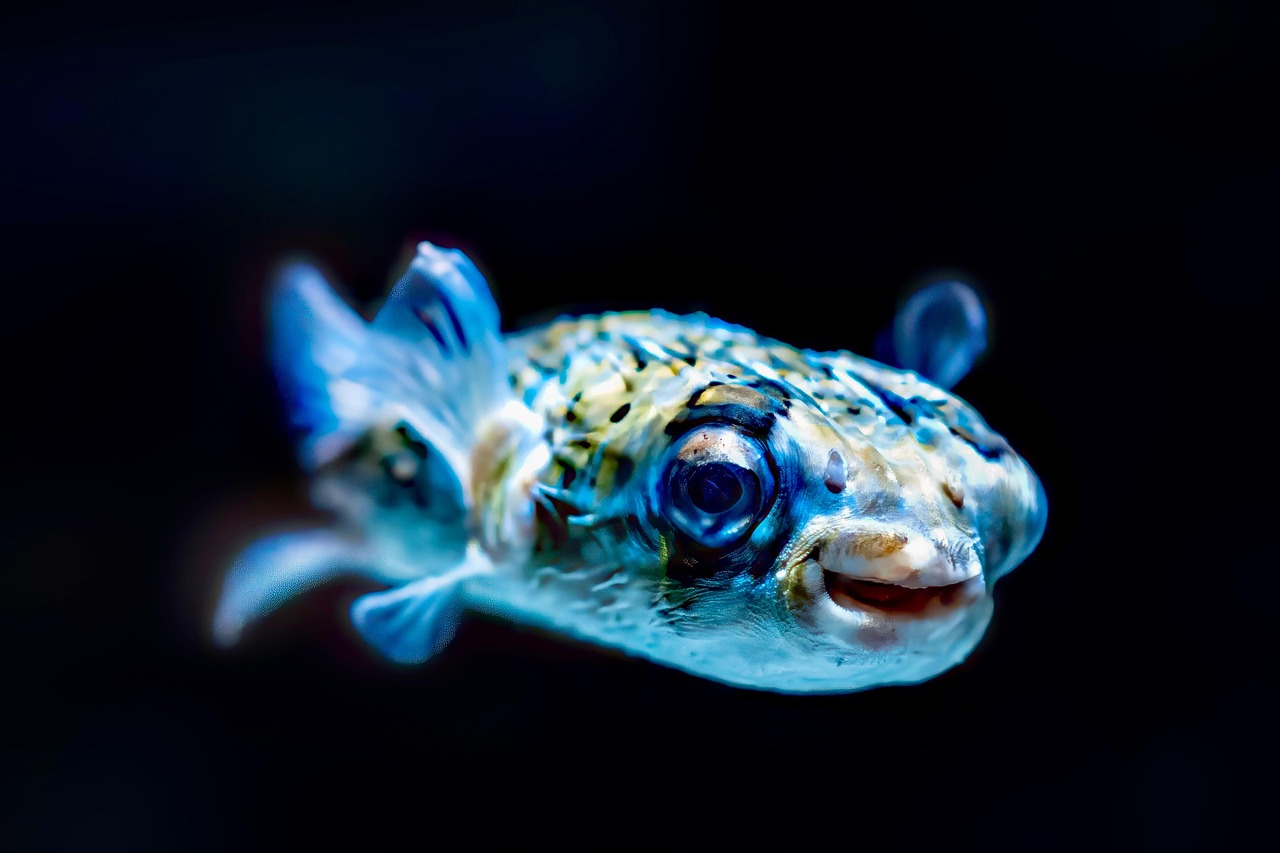
At barely 2 cm fully grown, Dario dario is one of the smallest freshwater fish in the hobby — and one of the most intensely coloured. Males display vivid red-orange bars against a metallic blue body, earning the common name scarlet badis. Keeping them well requires understanding their quirks, particularly their reluctance to eat prepared foods. This scarlet badis care guide covers everything from tank size to diet and breeding, with advice tailored to Singapore conditions. At Gensou Aquascaping, 5 Everton Park, we have maintained colonies of these micro predators for years and know exactly what makes them tick.
Origin and Classification
Dario dario belongs to the family Badidae and is native to tributaries of the Brahmaputra River system in India, particularly in West Bengal and Assam. It inhabits shallow, clear streams with sandy or gravelly substrates, moderate plant growth and slow to still water. Despite its tiny size, it is a true predator — in the wild, it hunts microscopic crustaceans, worm larvae and insect nymphs among plant stems and leaf litter. This predatory instinct dictates almost every aspect of its care in captivity.
Tank Size and Setup
A 20-litre tank is sufficient for a trio (one male, two females), while a 40-litre setup accommodates a group of six to eight. Males are territorial and claim small patches of about 15–20 cm in diameter, so provide enough floor space and sight breaks for each male to hold territory without constant confrontation. Dense planting is crucial — Cryptocoryne species, Java moss, Bucephalandra and floating plants all help break sight lines and provide the sheltered environment scarlet badis prefer. A dark substrate (black sand or fine dark gravel) shows off their colouration dramatically.
Water Parameters
Scarlet badis prefer pH 6.5–7.5, GH 2–10, KH 1–5 and temperature 20–26 °C. Singapore’s soft PUB tap water (GH 2–4, pH around 7.0) suits the species well in terms of hardness and pH. However, temperature is a concern. Ambient room temperature in Singapore commonly sits at 28–31 °C, which exceeds their ideal range. If you do not run air-conditioning, position the tank in the coolest room, ensure good ventilation, and consider a small clip-on fan blowing across the water surface — evaporative cooling can reduce temperature by 2–3 °C. In air-conditioned rooms maintained at 24–26 °C, scarlet badis do exceptionally well.
The Feeding Challenge
This is where most keepers struggle. Scarlet badis overwhelmingly reject dry foods — flakes, pellets and granules are usually ignored entirely. They are micro predators that hunt visually and respond primarily to live, moving prey. The core diet should consist of live or frozen baby brine shrimp, daphnia, cyclops, micro-worms (Walter worms, banana worms, vinegar eels) and grindal worms. Frozen bloodworms are accepted but should be chopped small due to the fish’s tiny mouth. Feed twice daily in very small portions. A scarlet badis care guide that does not stress this point is setting you up for starvation losses — plan your food sources before purchasing these fish.
Culturing Live Food
Keeping scarlet badis long-term practically requires a live food culture. Micro-worm cultures are the easiest to start — a small container with oatmeal paste yields thousands of worms within a week. Baby brine shrimp can be hatched from cysts using a simple hatchery dish or bottle setup; eggs cost around SGD 10–15 per tin at local aquarium shops. Daphnia cultures thrive in a bucket of green water on a balcony (Singapore’s climate accelerates phytoplankton growth). Having at least two live food options running simultaneously ensures you are never caught without appropriate food.
Behaviour and Temperament
Males are territorial but their aggression is display-based — they flare fins, intensify colour and posture at rivals rather than causing physical damage. In a well-planted tank with multiple territories, several males coexist with frequent but harmless interactions. Females are drab grey-brown, significantly smaller, and easily overlooked. Scarlet badis are slow, deliberate fish that spend much of their time hovering among plant stems or perching on leaves, scanning for food. They are not active swimmers and can appear almost motionless for extended periods — this is normal behaviour, not illness.
Tankmates
Due to their tiny size and shy nature, tankmate selection must be careful. Ideal companions include neocaridina shrimp (adults are safe; newborn shrimplets may occasionally be eaten), otocinclus, pygmy corydoras, and small, peaceful rasboras like Boraras brigittae. Avoid anything large enough to eat them or boisterous enough to outcompete them for food. In a community setting, target-feed scarlet badis with a pipette or turkey baster to ensure food reaches them before faster species consume it all.
Sexing
Males display the characteristic scarlet-red and iridescent blue banding from about three months of age. Females are grey-brown with faint or absent barring and a smaller, more rounded body shape. Unfortunately, scarlet badis are often sold as “assorted” or predominantly male batches because females are less colourful and therefore less commercially desirable. If you want to breed, specifically request females — a good shop will help you identify them. Expect a ratio of three to four males for every female in a typical shipment.
Breeding
In a mature, well-planted tank with both sexes, breeding happens with little intervention. The male courts the female with intense colour displays and fin flaring. Spawning occurs among fine-leaved plants or moss, where the female deposits small batches of eggs. The male may guard the area loosely. Eggs hatch in two to three days, and the fry are microscopic — even baby brine shrimp nauplii are too large initially. Paramecium or infusoria are necessary for the first week. Survival rates improve significantly in densely planted tanks where fry find naturally occurring micro-organisms to eat.
Common Issues
Starvation from refusing dry food is the primary cause of loss. Internal parasites are the second — wild-caught and farm-raised specimens often carry parasites that manifest as weight loss, sunken belly and white stringy faeces. Quarantine new arrivals for two weeks and treat prophylactically with praziquantel if parasites are suspected. Maintain stable, clean water — small fish in small tanks are vulnerable to parameter swings.
The scarlet badis rewards patient, attentive keepers with some of the most vivid colour in the freshwater hobby. If you are willing to invest in live food cultures and provide a well-planted nano setup, Dario dario is an unforgettable fish to keep. Visit Gensou Aquascaping for healthy stock and feeding supplies.
Related Reading

emilynakatani
Still Have Questions About Your Tank?
Drop by Gensou Aquascaping — most walk-in questions get answered in under 10 minutes by someone who has set up hundreds of tanks.
5 Everton Park #01-34B, Singapore 080005 · Open daily 11am – 8pm