
Pea Puffer Care Guide: Carinotetraodon Travancoricus the Tiny Freshwater Puffer
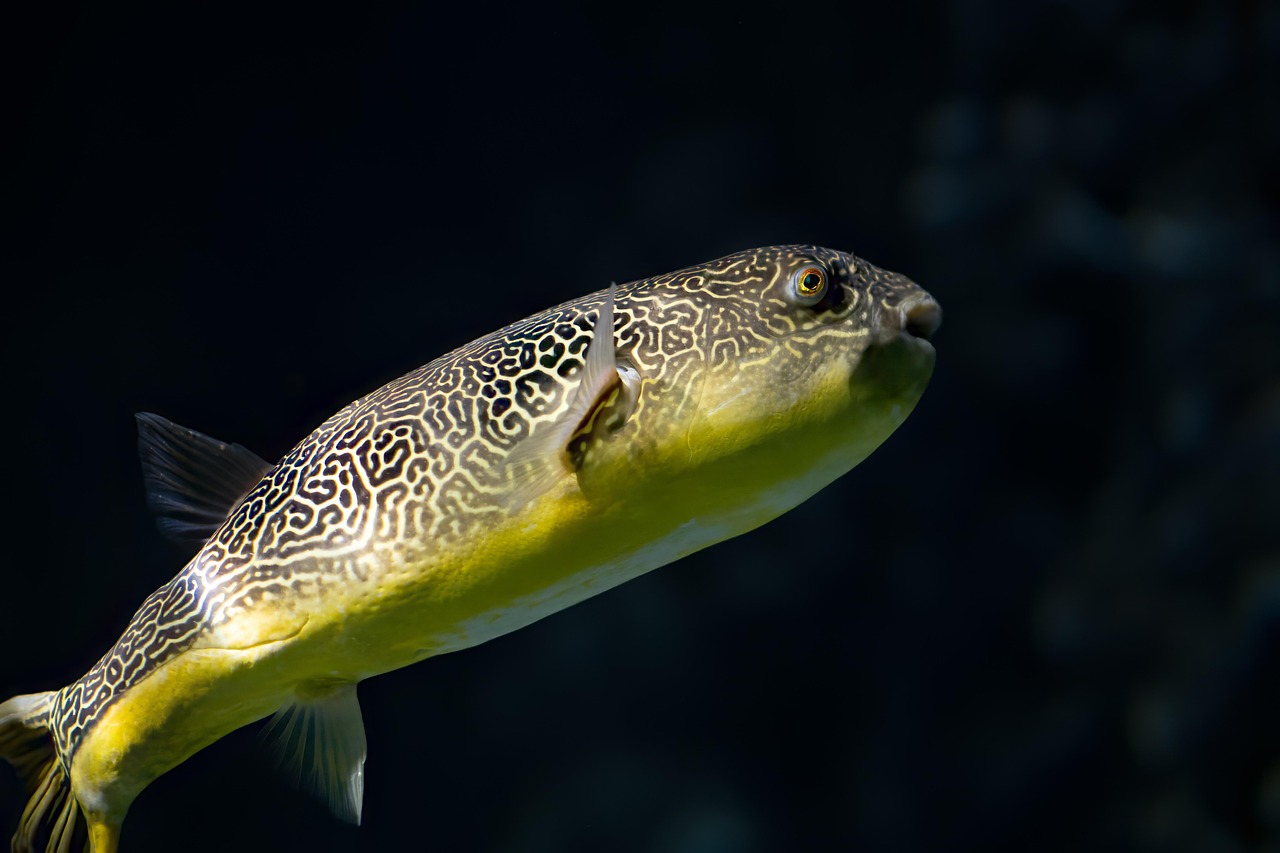
Few freshwater fish pack as much personality into such a small frame as Carinotetraodon travancoricus, the pea puffer. This pea puffer care guide covers everything you need to keep these intelligent micro-predators thriving in Singapore’s warm climate. At Gensou Aquascaping, 5 Everton Park, we have maintained pea puffers in planted display tanks for years and can confirm they are among the most engaging fish you will ever keep. Reaching just 2.5 cm fully grown, they require surprisingly specific care that goes well beyond what their tiny size might suggest.
Species Overview and Origin
Carinotetraodon travancoricus hails from the rivers and lakes of Kerala in southwestern India. Unlike their marine cousins, pea puffers are entirely freshwater and do not require brackish conditions at any life stage. Males display darker colouration with a pronounced dorsal ridge line and an iridescent blue-green eye stripe. Females tend to be rounder with more uniform yellow-green tones. They are sometimes sold as dwarf puffers or Malabar puffers in local fish shops around Singapore.
Tank Size and Setup
A single pea puffer does well in a 20-litre nano tank, but we recommend at least 40 litres for a small group of three to four. Heavily planted layouts work best. Dense stem plants like Rotala rotundifolia and Hygrophila pinnatifida break sightlines and reduce territorial aggression. Driftwood, stones and moss clusters provide additional cover. Sand or fine gravel substrates allow the puffer to forage naturally. Avoid strong flow; a gentle sponge filter rated for 50-100 litres per hour is ideal. These fish appreciate a mature tank with established biofilm, so cycle thoroughly before introducing them.
Water Parameters for Singapore
Singapore’s PUB tap water, once dechlorinated with a chloramine-safe conditioner, sits around GH 2-4 and pH 7.0-7.5. Pea puffers prefer slightly acidic to neutral water with a pH of 6.5-7.5, GH 5-15 and KH 3-8. Our local water is on the softer side, so adding a small amount of mineral supplement or Seiryu stone can help raise hardness gently. Temperature is straightforward in our climate: ambient room temperature in most HDB flats and condos stays between 28-31°C, which sits at the upper end of their 22-28°C comfort range. A small clip-on fan directed across the water surface can drop temperatures by 2-3°C during particularly hot months.
Diet and Feeding
This is where many keepers struggle. Pea puffers are obligate carnivores that strongly prefer live and frozen foods. Bladder snails are the gold standard; their shells help wear down the puffer’s ever-growing beak-like teeth. Frozen bloodworms, daphnia and brine shrimp are readily accepted. Feed small amounts twice daily, roughly two to three bloodworms per fish per feeding. Overfeeding fouls the water quickly in nano setups. Most pea puffers refuse flake and pellet foods entirely, so budget for a steady supply of frozen foods from your local fish shop. Culturing your own bladder snails in a separate container is a cost-effective long-term strategy.
Temperament and Tankmates
Despite their diminutive size, pea puffers are surprisingly feisty. Males are territorial towards one another and will nip fins on slow-moving tankmates. The safest approach is a species-only tank. If you insist on companions, choose fast, short-finned fish like Boraras brigittae or Sundadanio axelrodi that can outmanoeuvre a puffer’s lunge. Avoid shrimp; even large Neocaridina will become expensive snacks. In a group setting, stock one male to two or three females to minimise aggression, and ensure plenty of visual barriers throughout the aquascape.
Health and Common Issues
Pea puffers are susceptible to internal parasites, particularly when wild-caught. A precautionary treatment with praziquantel during quarantine is standard practice. Overgrown teeth are another concern; if the beak plates grow unchecked, the fish cannot eat. Regular snail feeding usually prevents this. Watch for sunken bellies, a sign of internal parasites or starvation. White spot (ich) can appear if temperatures fluctuate rapidly, though this is less common in Singapore’s stable warmth. Weekly water changes of 25-30% keep nitrates below 20 ppm and maintain overall health.
Breeding Pea Puffers
Breeding is achievable in home aquaria. Condition pairs with varied live foods for two weeks. Males court females by displaying darkened colouration and vibrating beside them. Eggs are scattered among fine-leaved plants like java moss. Remove adults after spawning as they will eat the eggs. Fry hatch in approximately five days at 26°C and are tiny, requiring infusoria or vinegar eels as first food before graduating to baby brine shrimp after a week. Survival rates improve significantly in heavily planted, mature tanks with abundant micro-fauna.
Why Pea Puffers Suit Singapore Aquascapers
Their small size suits the nano and desktop tanks popular in space-conscious Singapore homes. They actively interact with their environment, investigating plants, watching you through the glass and developing individual personalities. A well-planted pea puffer tank running at around 28°C with gentle filtration and a steady supply of snails is one of the most rewarding setups in the hobby. If you need help designing a pea puffer care guide tailored to your specific tank, visit us at Gensou Aquascaping for a consultation. We stock suitable plants, hardscape and equipment to get your puffer tank running right from day one.
Related Reading
- Dwarf Pea Puffer Tank Mates: Who Can Survive With a Micro Predator?
- Dwarf Puffer vs Pea Puffer: Are They the Same Fish?
- How to Breed Pea Puffers: Micro Predator Courtship in Planted Tanks
- Pea Puffer vs Dwarf Puffer: Tiny Predators Compared
- Figure Eight Puffer Care Guide: Brackish Personality in a Small Tank



