
Yellow Tang Tank Mates and Compatibility: Reef Safe Pairings
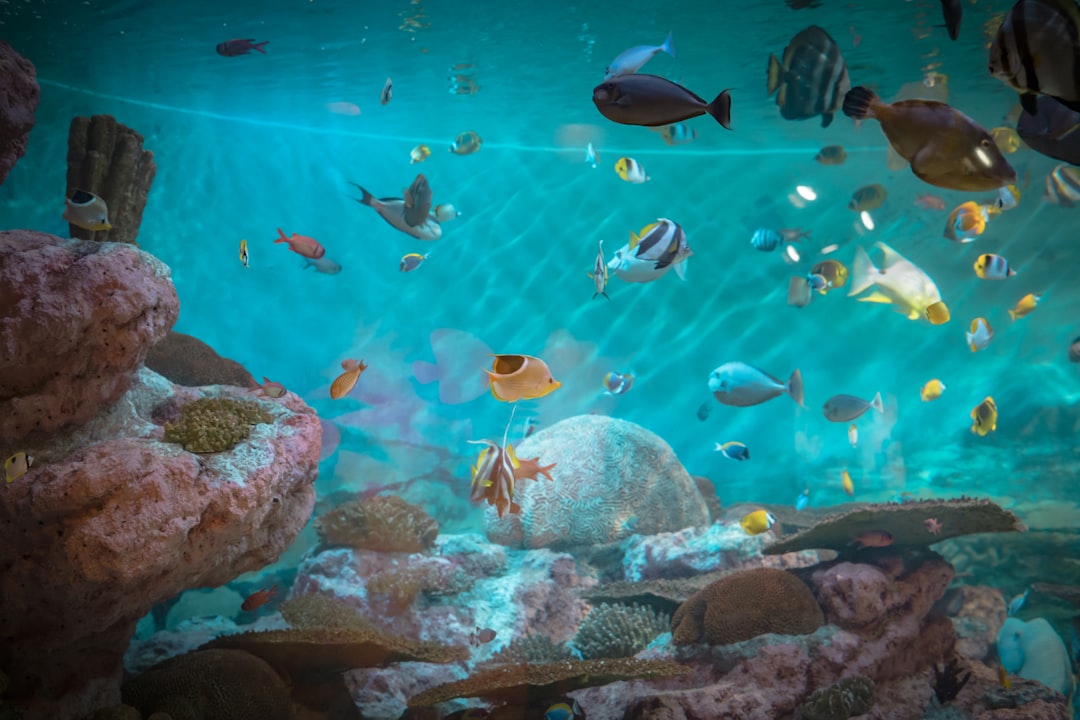
Few reef fish divide opinion like Zebrasoma flavescens. Getting yellow tang tank mates compatibility right is the difference between a peaceful reef and a battered sick display. This guide from Gensou Aquascaping at 5 Everton Park in Singapore draws on two decades of stocking 4ft and 6ft reef systems in HDB and condo settings, where tank footprint almost always dictates what you can safely house alongside this iconic surgeonfish.
Quick Facts
- Scientific name: Zebrasoma flavescens, Hawaiian endemic
- Minimum tank: 450 litres (roughly 120 gallons) with 1.5m length
- Temperament: peaceful to most species, hostile to same-shape tangs
- Reef safe: yes, grazes nuisance algae and ignores corals
- Diet: heavy herbivore, needs nori sheets daily plus mysis
- Temperature: 24-26 degrees C, salinity 1.025 SG
- Lifespan: 20 years or more in a well-kept system
Why Body Shape Dictates Conflict
Tangs identify rivals primarily by silhouette, not colour. A yellow tang will tolerate a blue regal tang (Paracanthurus hepatus) much better than it tolerates a purple tang, because Zebrasoma species share the same oval high-bodied profile. The tail scalpels get used at these perceived rivals first.
If you want more than one surgeonfish, stagger body shapes across genera: one Zebrasoma, one Acanthurus, one Ctenochaetus, one Naso. Introduce them simultaneously or add the yellow tang last so it cannot claim the entire aquascape as its own territory.
Recommended Reef Safe Tank Mates
Clownfish pairs sit at the top of the compatibility list. Ocellaris, percula and black-and-white variants all ignore the tang entirely and vice versa. Fairy and flasher wrasses (Cirrhilabrus, Paracheilinus) add midwater colour without competing for grazing zones.
Firefish, royal grammas and assessors occupy different vertical layers and rarely cross paths with a tang. For a bolder display, a flame angel or coral beauty works in tanks above 300 litres, though expect some coral nipping regardless of species reputation.
Species to Avoid Pairing
Avoid adding a second Zebrasoma, a sailfin tang, or a scopas tang unless your system exceeds 750 litres with heavy aquascape complexity. Two yellow tangs in a 4ft tank almost always ends with one fish dead or permanently hiding.
Large triggers such as clown triggers and undulated triggers will harass and eventually kill a tang. Foxfaces share grazing habits and generally coexist, but two yellow foxface in the same tank is as risky as two yellow tangs.
Invertebrate Compatibility
Yellow tangs are fully invertebrate safe. Cleaner shrimp, peppermint shrimp, fire shrimp, hermits and snails go untouched. The tang may actually solicit cleaning from Lysmata amboinensis, which is a good sign in quarantine recovery.
They ignore all common coral genera. SPS, LPS, soft corals and zoanthids are safe, though you may see the occasional curious peck at a newly placed frag. Clams and feather dusters are also left alone.
Tank Size and Swimming Space
Hawaiian collection yellows arrive at 8-10cm and grow to 20cm. They are strong open-water swimmers and a short 90cm tank causes stunting and stress diseases within a year or two. In Singapore a 5ft 550 litre peninsula or a 6ft 700 litre standard gives proper cruising lanes.
Keep aquascape open in the middle third of the tank. Piled rock on the ends and a clear sand runway down the centre lets the tang patrol without constant tail-bending turns, which is where long-term fin erosion starts.
Introducing New Tank Mates Safely
Rearrange rockwork the day you add a new fish. This breaks the yellow tang’s established territory map and forces a reset. Adding a divider for the first 48 hours also works in smaller systems.
Feed heavily just before introduction. A full tang is a lazy tang. Target-feed the newcomer for the first week so it does not have to compete at the nori clip, which is where most bullying happens.
Feeding for Peaceful Coexistence
Clip a full sheet of nori every day, ideally two half-sheets at opposite ends of the tank. This removes the single contested food source that triggers most tang aggression. Supplement with mysis, brine and a quality pellet such as LRS Reef Frenzy or Hikari Marine-A.
Vitamin-soaked food three times a week keeps HLLE (head and lateral line erosion) at bay. Selcon or garlic additives are common in Singapore reef circles and available at Iwarna Aquafarm and C328 Clementi.
Health Watch in a Mixed Reef
Yellow tangs are ich magnets in any community tank. Quarantine every new addition for 76 days minimum before it joins a tank containing tangs. A single carrier clownfish can wipe out your tang within a month.
Watch for HLLE, fin erosion and colour paling. These are husbandry issues, not aggression, and signal poor nitrate control or diet. Aim for nitrate below 10ppm and weekly 10 percent water changes.
Singapore Sourcing Notes
Hawaiian yellow tangs have been harder to source since the 2020 collection restrictions. Aquacultured specimens from Biota Palau now dominate the local market at Iwarna, Aquarium Artist and ClearWater Aquarium, typically 280-450 SGD depending on size. Captive-bred stock adapts to frozen food faster and arrives healthier, which is worth the premium.
Related Reading
Yellow Tang Care Guide
Blue Regal Tang Care Guide
How to Quarantine Marine Fish
How to Choose Marine Fish for Beginners
Marine Ich Cryptocaryon Treatment Guide



