
Chaetodon Butterflyfish Feeding Guide: Getting Them to Eat
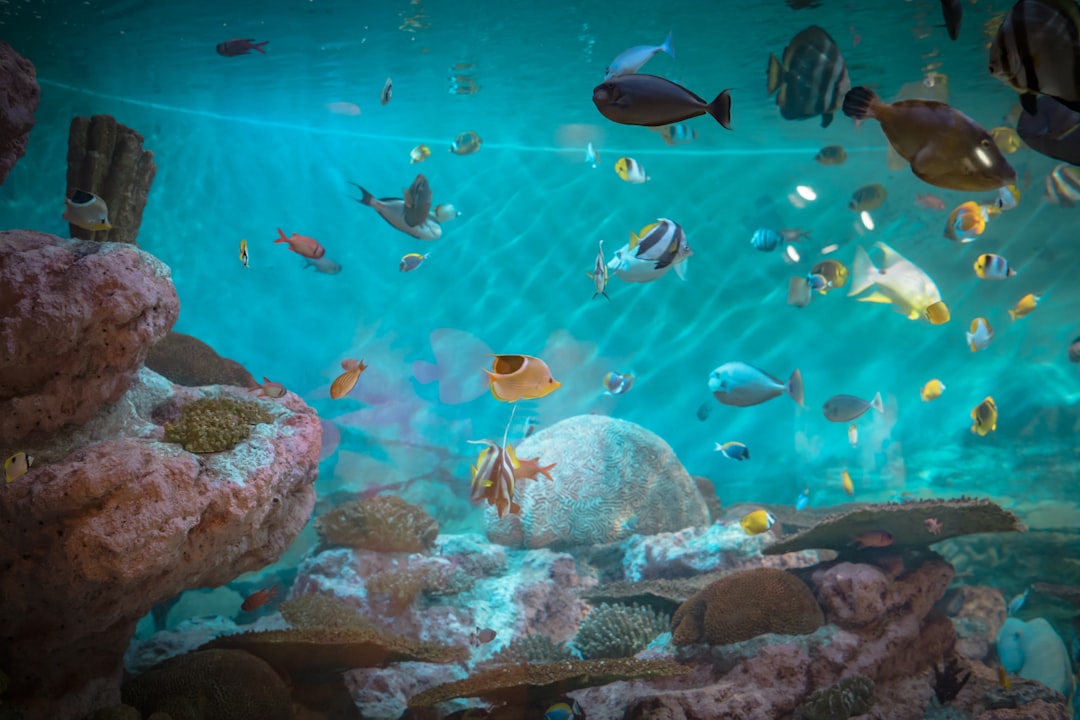
Most Chaetodon specimens that die in home aquariums do not die from disease — they starve, slowly, over three to six weeks, while the keeper assumes they are “settling in”. This Chaetodon butterflyfish feeding guide from Gensou Aquascaping at 5 Everton Park is built around the hard truth: unless you get a butterflyfish eating prepared foods in the first week, you are unlikely to save it. We keep several display tanks running coral-friendly butterflyfish species, and the rejection rate at import is higher than any other family we handle.
Quick Facts
- Adult size: 12-20 cm depending on species
- Minimum tank: 400 litres for most Chaetodon, 600+ litres for larger species
- Temperature: 24-26 °C, salinity 1.024-1.026
- Diet: obligate zoobenthic feeders — sponge, polyps, tubeworms in the wild
- Feeding frequency: minimum 4 small meals daily for first 30 days
- Reef safe: no, most species nip LPS, zoanthids and clam mantles
- Survival rate in captivity: under 30% past six months without a feeding plan
Why Most Butterflyfish Refuse Food
In the wild, a Chaetodon spends most of its waking hours picking at coral polyps, tubeworm crowns, and sponge patches — small, continuous meals of soft, high-moisture protein. Import stress, ammonia exposure in transit bags, and the psychological shock of a bare quarantine tank combine to shut down the feeding response. A fish that would normally eat 200-300 small bites a day simply stops.
Species matter enormously. Auriga, raccoon, and pearlscale (C. xanthurus) are considered the easier end. Meyer’s, ornate, and bluespot sit firmly in the expert bracket and routinely starve even for experienced keepers.
Selecting a Specimen That Will Eat
Never buy a butterflyfish sight unseen online. Visit the shop — Serangoon North Avenue 1 stockists and the Clementi cluster usually allow feeding demos on request. Ask the staff to drop in a small piece of mysis or a quartered mussel. If the fish approaches within 30 seconds and takes a bite, your odds triple. If it hovers in a corner or has a pinched stomach behind the pectorals, walk away regardless of price.
Check the eyes for clarity, the flanks for parasite spots, and the anal fin for erosion. Respiration should be slow and even, not gulping.
First Week Protocol
Move the fish to a dedicated quarantine tank of 100-150 litres, dimly lit, with a few pieces of cured live rock for grazing. Drop the tank copper-free for the first 72 hours — a stressed butterflyfish will tolerate a known parasite load better than copper shock on an empty gut. Offer food five times a day: live black worms, fresh clam on the half shell, live brine shrimp enriched with Selcon, and a frozen rotation of mysis, formula one and LRS Reef Frenzy.
The single most effective trigger we have found is a live clam or mussel, shell split open, wedged into a rock crevice. The scent and soft texture match natural prey closely enough to break most hunger strikes.
Transition to Prepared Foods
Once the fish is picking at clam, begin smearing frozen mysis onto the shell so each bite contains both scents. Over seven to ten days, reduce clam and increase mysis. Next, introduce a sinking pellet soaked in garlic extract — New Life Spectrum Thera-A is our default. Expect spitting at first. Persistence beats variety; changing foods daily teaches the fish to hold out.
Long Term Diet and Nutrition
Once stable, a butterflyfish needs three to four feedings per day for life. Rotate mysis, enriched brine, chopped prawn, nori sheets for some species, and a good pellet. Vitamin supplementation with Selcon twice a week prevents HLLE, which is common in this genus on low-fat diets. A refugium stocked with amphipods gives the fish something to hunt between meals — this matters more for mental health than nutrition.
Singapore Specific Considerations
Our ambient 30 °C climate means chiller failure kills butterflyfish fast — they do not tolerate spikes above 28 °C for long. Keep a backup fan on a thermostat. Frozen food supply is reliable through the main Thomson and Clementi shops; live black worms and clams are available through most Carousell marine vendors at $8-12 per pack. Budget around $40 per week on food for a stocked butterflyfish tank.
When to Accept Failure
If the fish has not eaten anything by day ten, returning it to the shop (if the policy allows) is kinder than continuing. A butterflyfish past three weeks of starvation rarely recovers even if it resumes feeding — organ damage is usually done. This is the uncomfortable part of the hobby no one prints on the bag.
Related Reading



