
Galaxy Pinto Shrimp Care Guide: Premium Caridina Variant
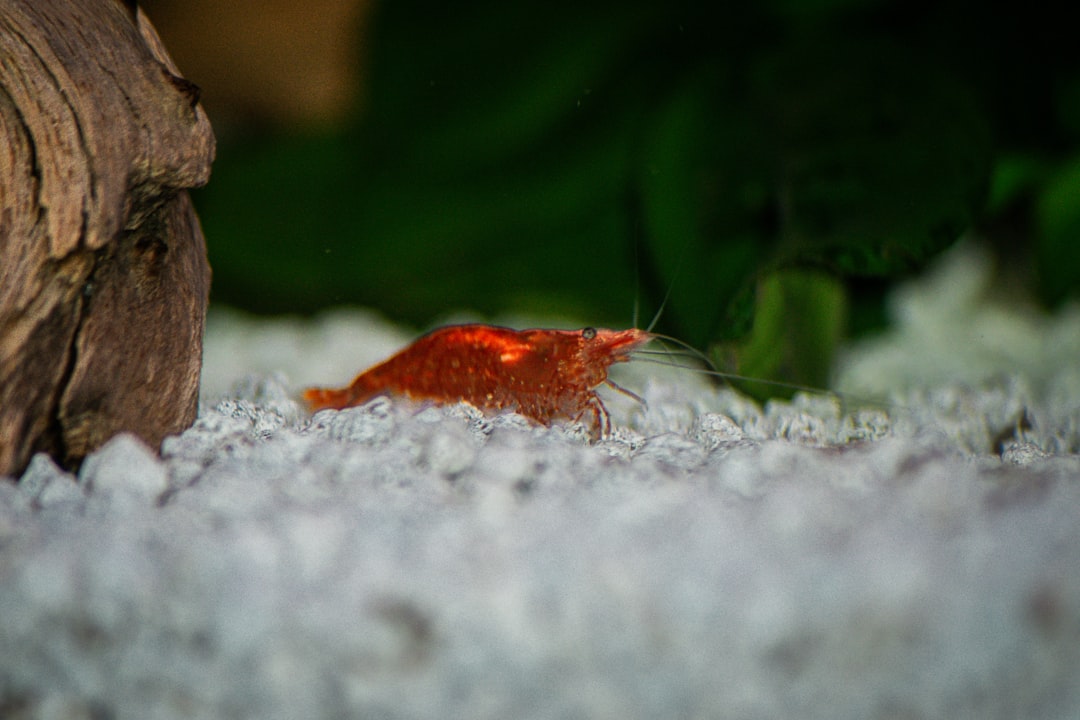
Galaxy Pintos sit at the apex of Caridina selective breeding. The “galaxy” designation describes a rare phenotype showing white star-like spots distributed across a dark body, and when this expression overlays the Pinto genetic background, the resulting animals can cost more than a single Singapore BTO downpayment per shrimp at the top grades. This galaxy pinto shrimp care guide from Gensou Aquascaping at 5 Everton Park explains the phenotype, the strict water requirements, and what separates a true Galaxy Pinto from lower-grade spotted animals marketed under the same name. This guide sits inside our broader Tropical Fish Species Master Index reference.
Quick Facts
- Species: Caridina cantonensis complex, descended from Pinto lineage
- Signature feature: white pinpoint “star” spots on dark body (galaxy phenotype)
- Sub-types: Galaxy Fishbone (with spine pattern), Galaxy Pinto (pure spotting)
- Water: TDS 100-120, pH 5.5-6.0, GH 3-5, KH 0, temp 22-24 C
- Substrate: fresh active soil, replaced every 12-15 months
- Price: grade A $150-300, SS $400-800, SSS $1000-2500 per animal in Singapore
- Minimum colony: 15-20 animals for viable breeding diversity
What Makes a Galaxy Phenotype
The galaxy trait refers to small, sharply defined white pinpoint spots scattered across a dark carapace and abdomen. Unlike ordinary Spotted Pintos where dots are larger and more irregular, galaxy spots are tight, round, and distributed with a starfield density across the dorsal surface. The expression is considered a rare modifier of the Pinto white-patterning complex, and only a small percentage of Pinto offspring spontaneously show it without targeted line-breeding.
Two main galaxy variants exist in the market. Galaxy Fishbone combines the star-spot background with a visible central spine pattern running head to tail. Galaxy Pinto (without the fishbone) shows pure spotting on a clean dark base. Both command premium prices; Galaxy Fishbone SSS grades typically sell higher because the combined pattern is rarer.
Genetic Background
Galaxy Pintos trace back through the Pinto lineage, meaning they carry the same multi-population ancestry as standard Pintos: Suzuki CRS genetics, Taiwan Bee pigmentation genes, and in some Zebra-derived lines, trace Tiger shrimp contributions. The galaxy phenotype itself appears to be a combination of reduced spot size and increased spot frequency, likely controlled by multiple modifier loci rather than a single gene.
This genetic complexity explains why galaxy lines are hard to stabilise. Pairing two Galaxy SSS parents typically produces only 30-50 percent offspring expressing strong galaxy patterning, even after 5-6 generations of careful selection. Breeders selling animals as “100 percent galaxy line” are either exaggerating or culling hard before showing buyers the retained stock.
Water Parameters: Tighter Than Pinto
Galaxy Pintos are the most parameter-sensitive Caridina variant most hobbyists will encounter. Target TDS 100-120 ppm (lower than standard Pinto), pH 5.5-6.0, GH 3-5, KH 0. Fresh active soil is essential — substrate buffering capacity matters more for galaxies than any other variant, and aged soil produces pattern degradation visible within a generation.
Use RO water only, remineralised with a Caridina-specific product such as Salty Shrimp Bee Mineral GH+ at 0.5 g per 10 litres. Check TDS weekly and top up with pure RO (not remineralised water) to replace evaporation, since minerals do not evaporate and top-ups with remineralised water cause TDS creep.
Temperature and Filtration
22-24 C is the reliable breeding range. Above 25 C, moulting problems and reduced pattern clarity appear within 2-3 weeks. In Singapore, this means a chiller is mandatory — typically a 1/8 HP inline unit for 30-60 litre tanks. Budget $500-700 for the chiller plus $100-150 for an inline pump.
Filtration should be gentle and biologically mature. Sponge filters driven by air pump work well; hang-on-back and canister filters need pre-filter sponges over intakes to avoid sucking up juveniles. Mature biofilm is more important than high turnover — galaxy juveniles feed heavily on biofilm in their first 2-3 weeks, and a filter stripped of biofilm through over-cleaning will starve them.
Feeding and Colour Maintenance
Diet affects both health and pattern expression. Bacter AE or Mosura Bioplus 2-3 times weekly maintains biofilm. BorneoWild Frenzy or Shrimp King pellets once or twice weekly cover nutrition. Monthly blanched mulberry, spinach, or stinging nettle leaves provide calcium and trace minerals critical for shell formation. Overfeeding is the number one cause of galaxy colony crashes — visible uneaten food after 2-3 hours means you fed too much.
Avoid frozen bloodworm entirely for galaxy lines. Anecdotal but consistent breeder reports link high-protein diets with pattern softening in Pinto-derived lines within a few months.
Breeding Setup
Start a galaxy colony with 15-20 animals of mixed grades. Pure SSS pairings produce genetically narrower offspring than mixing SS and SSS — the slightly weaker animals provide genetic diversity that prevents inbreeding depression over 4-5 generations. Culling is essential but should be gradual; moving lower-grade offspring to a secondary tank for sale or trade is more sustainable than aggressive early culling.
Expect first berried females around week 10-14 after tank maturation. Clutch sizes are smaller than CRS — typically 15-25 eggs versus 25-35 for standard CRS — reflecting the inbreeding legacy of the lineage.
Buying and Sourcing in Singapore
Galaxy Pintos enter Singapore through a small number of established shrimp specialists, typically via Malaysia or direct Taiwan imports. Grade A animals run $150-300, SS reaches $400-800, and SSS Galaxy Fishbone examples can exceed $2000 each. Never buy sight unseen from photos alone — pattern clarity reads very differently under LED tank lighting versus phone-captured images. Shops around Serangoon North and a handful of Thomson breeders occasionally stock galaxy animals; expect 4-8 weeks wait time for specific grades.
The galaxy pinto shrimp care guide approach rewards patience and tight parameter control. This is not a beginner shrimp, and attempting to keep galaxies before mastering standard Pintos will almost always end in a collapsed colony.
Related Reading
Pinto Shrimp Care Guide
Galaxy Pintos Shrimp Breeding Guide
Galaxy Fishbone Shrimp Care Guide
Taiwan Bee Shrimp Care Guide
Caridina Selective Breeding Culling



