
Wild Discus Collection Points Amazon: Tefé, Manacapuru, Nhamundá
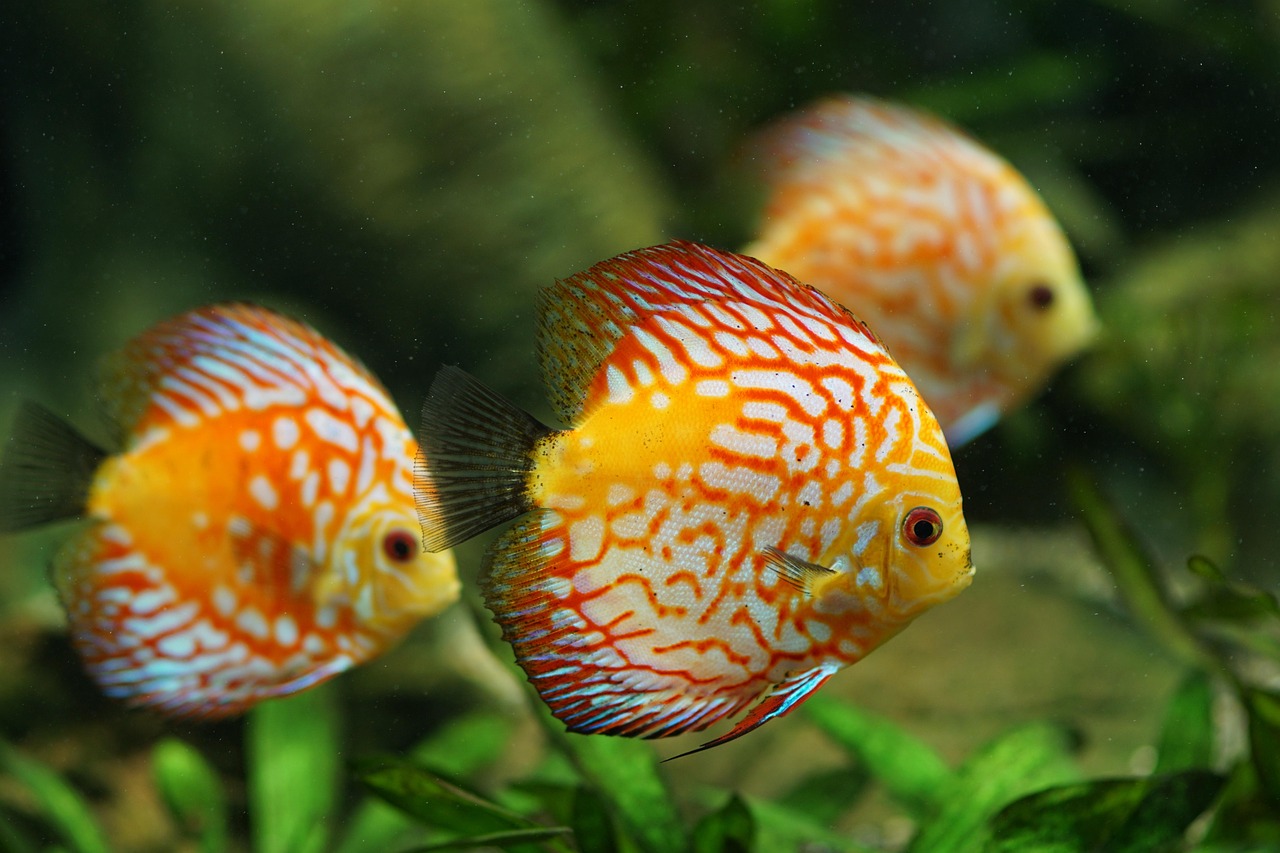
Wild discus in trade are almost always labelled by the tributary they came from, and those labels carry meaningful information about colour, pattern, and water chemistry. This guide to wild discus collection points Amazon from Gensou Aquascaping in Singapore walks through the main Brazilian collection regions exporters use, from Tefé to the Rio Madeira, and how each location shapes the fish you end up importing. Wild discus belong to Symphysodon aequifasciatus (brown, blue, green variants) and S. discus (Heckel).
Quick Facts
- Main collection states: Amazonas, Pará
- Collection season: September to December (dry)
- Chief export cities: Manaus, Belém
- Water type varies: blackwater, clearwater, whitewater
- Temperature across regions: 28-30°C
- pH range: 4.5 (Rio Negro) to 6.8 (Rio Madeira)
- Four primary trade regions discussed below
Tefé (Lago Tefé, Solimões)
Tefé lake sits on the south bank of the Solimões river in western Amazonas state. The water is classified as clear to lightly stained, with pH 6.0-6.5, conductivity around 40-80 µS. Tefé discus belong to the S. aequifasciatus green group and show yellow to olive-green bodies overlaid with horizontal red spots or streaks on the sides and into the dorsal fin. Red-spotted green Tefés are the most prized; top specimens reach show-grade prices. Tefé fish adapt relatively well to softened Singapore tap water compared to Heckels.
Manacapuru (Lower Solimões)
Manacapuru is the lakes-and-channels region just upstream of the Rio Negro and Solimões confluence. Water here is whitewater-influenced, pH 6.3-6.8, conductivity 80-150 µS. Manacapuru fish are the classic royal blue wild form, with intense full-body horizontal blue striping over a red to brown base. Bright turquoise pattern extends into the fins and operculum. They are the easiest wild discus to keep because their native water chemistry is closest to neutral, making acclimation to prepared tank water straightforward.
Nhamundá and Rio Trombetas
Nhamundá river and the neighbouring Rio Trombetas in Pará state carry blackwater similar to the Rio Negro, with pH 4.8-5.5 and conductivity 15-40 µS. These systems produce Heckel discus (S. discus) with the strongest central fifth bar and the deepest red highlights along the body. Red Nhamundá Heckels and willischwartzi-type blackwater forms come from this region. Husbandry requires RO water, botanical acidification, and rigorous quarantine. Avoid mixing with tap-bred discus.
Rio Madeira
The Rio Madeira drains the southern Amazon basin from Bolivian headwaters. Its water is whitewater (sediment-rich, near-neutral to slightly acidic pH 6.5-6.8, conductivity 100-200 µS). Madeira discus are brown to pale reddish-brown with fewer distinct pattern markings but thick body shape and strong growth rates. They acclimate to harder tap water best of all wild forms and are often used in line breeding programmes by Asian farms because their body shape is considered ideal.
Rio Negro Complex (Barcelos, Santa Isabel)
The Rio Negro above Manaus splits into the Barcelos and Santa Isabel collection zones. Extreme blackwater here runs pH 4.2-4.8, conductivity as low as 10 µS, with tannin stain so dark that visibility drops below half a metre. Heckels dominate the catch, alongside some brown discus in the peripheral lakes. Santa Isabel is the source of the famed royal red Heckel, the most expensive wild discus traded today.
Reading Import Labels
Reputable wholesalers list collection point, catch month, and fish size. “Royal blue Manacapuru” or “Tefé red spot green” tells you about both appearance and water chemistry needs. Beware of vague labels like “wild discus Brazil” which usually indicate mixed-origin shipments with unreliable husbandry data. Ask your Singapore importer for direct export paperwork where available.
Water Preparation by Region
For Heckels from Nhamundá or Rio Negro, prepare RO-based blackwater at pH 4.8-5.3. For Manacapuru and Madeira fish, use RO remineralised to GH 2-3 at pH 6.3-6.6. Tefés sit comfortably between those two. Mixing origin types in a single tank compromises everyone; keep a system matched to one source for long-term health.
Seasonal Import Windows
Brazilian export season runs September through December, with peak Heckel arrivals in October-November. Singapore receives shipments via Brazilian wholesalers routed through São Paulo or Manaus. Expect prices between $150 and $800 depending on region, rarity and size. Plan purchases around confirmed import arrival dates and allow fish at least two weeks in the importer’s quarantine before buying.
Conservation Considerations
Legal collection in Brazil is regulated under IBAMA quotas. Licensed collectors in the Amazonas and Pará states catch within seasonal allowances, and the trade supports riverside fishing communities. Avoid unregulated stock without export documentation. Choosing importers who source from licensed exporters keeps the hobby aligned with sustainable practice.
Related Reading



