
Chrysiptera Cyanea Sapphire Damsel Care Guide
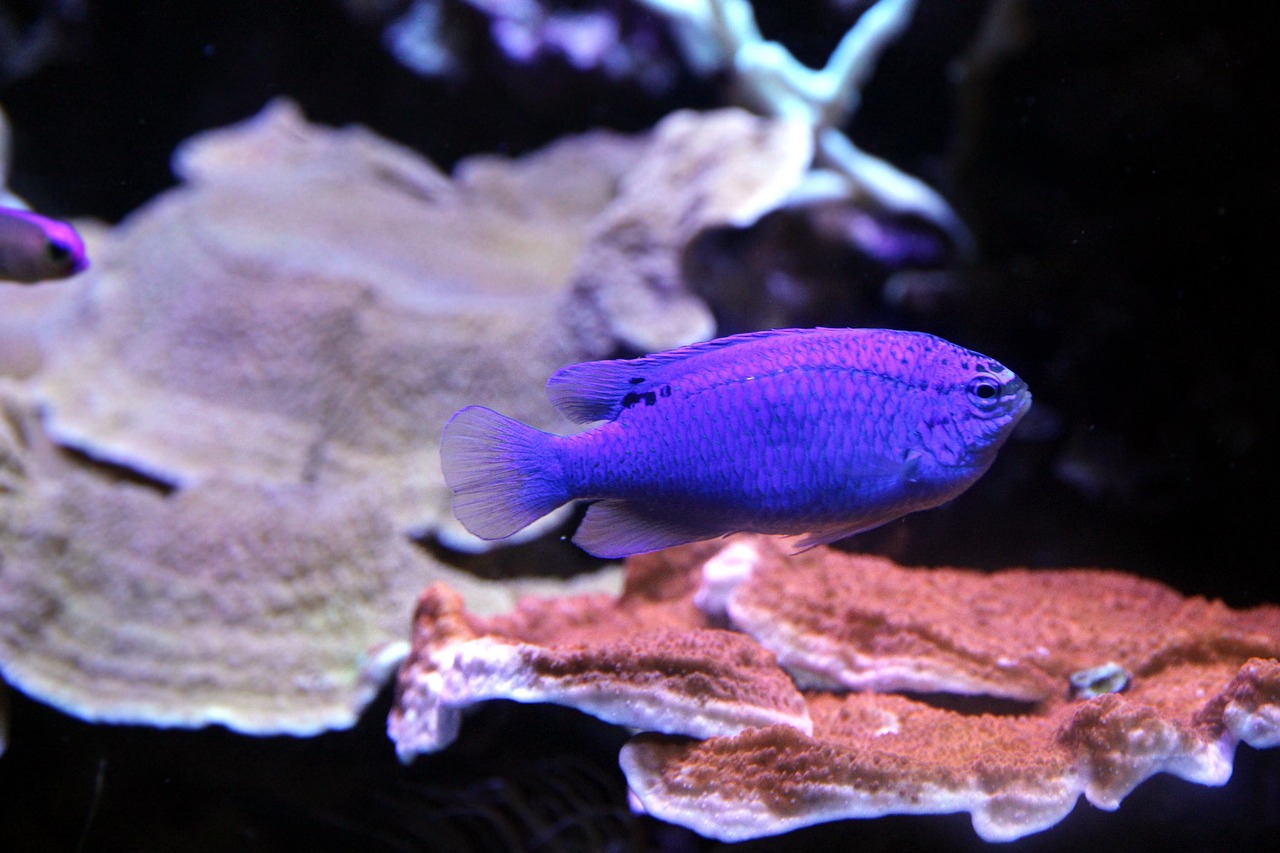
The electric-blue flash of a sapphire damsel darting across fresh live rock has sold more first marine tanks than almost any other species. Proper chrysiptera cyanea sapphire damsel care also requires understanding that this cheap, hardy reef fish grows into a territorial adult capable of bullying everything it shares a tank with. This guide from Gensou Aquascaping at 5 Everton Park covers the honest trade-offs: tank size, compatibility, feeding and the awkward question of whether you should use damsels to cycle a reef at all. Local readers will find notes on availability, SG pricing and practical rehoming routes.
Species Profile and Sexual Dimorphism
Chrysiptera cyanea, commonly sold as sapphire, blue devil or orangetail damsel, inhabits Indo-Pacific reef flats and lagoons from Japan down to the Great Barrier Reef. Males display an electric blue body with a yellow or orange tail and a dark face mask; females are uniformly blue without the coloured tail. Maximum size reaches 8 cm, with most aquarium specimens settling at 6-7 cm. Juveniles look identical until around 3 cm when male colouration begins to develop.
Tank Size and Territorial Behaviour
A single sapphire damsel can live in a 75 litre nano but adults claim 30-50 cm of rockwork as territory. In smaller tanks they harass anything approaching the claimed cave, including shrimp and other peaceful fish. A 200 litre tank gives enough space for a single damsel plus unrelated tankmates without constant aggression. Never keep two in anything under 400 litres unless you want to watch one slowly kill the other.
Water Parameters and Climate Considerations
Sapphire damsels tolerate a wider parameter range than most reef fish: temperature 23-28°C, salinity 1.023-1.026, pH 8.0-8.4. That forgiveness is part of why they cycle so many tanks. For long-term reef health, aim for 25°C and stable salinity at 1.025. Singapore ambient temperature means a chiller is still required; a small HDB nano without cooling drifts to 30°C and the damsel survives but colour washes out. The best aquarium chiller singapore roundup lists units that suit 75-200 litre marine set-ups.
Diet and Feeding Schedule
Damsels are omnivorous micropredators in the wild, eating zooplankton, algae and small benthic crustaceans. In captivity they accept almost anything: pellet, flake, frozen mysis, enriched brine and finely chopped seafood. Feed twice daily, smaller amounts rather than one large feeding. An adult will happily gorge and then spend the afternoon attacking tankmates, so spreading feeds reduces aggression spikes.
Temperament and Compatibility
Sapphire damsels are notoriously territorial and rarely mellow with age. They ignore corals but harass smaller fish, peaceful shrimp and anything entering their rockwork zone. Viable tankmates include larger tangs, angelfish and groupers that outrank the damsel socially; avoid pairing with firefish, gobies, small wrasses or pipefish. Our reef safe fish list 2026 article flags compatibility tiers so you can plan stocking logically.
The Cycling Debate
Using damsels to cycle a new marine tank was standard practice 20 years ago and remains common in Singapore shops that hand out one free with a starter kit. The ethics have shifted: fishless cycling with ammonia or bottled bacteria achieves the same result without subjecting a fish to toxic ammonia spikes. If a damsel ends up in your tank as a cycling resident, rehome it before adding reef livestock because removing an established adult from a scaped reef usually means tearing the aquascape apart.
Catching and Rehoming Strategies
Removing a sapphire damsel from a stocked tank is one of the classic marine aquarium nightmares. A two-chamber fish trap baited with live brine works better than netting; set it an hour after lights out when the damsel is dozing. Shops in Serangoon North will usually accept healthy adults back for $0-5 store credit because they resell quickly. Carousell listings at $8-12 also move reliably to beginners.
Lighting, Flow and Behaviour
Sapphire damsels tolerate any reasonable reef lighting; brighter blue spectrum makes the body pigment glow more vividly. Flow preference is moderate, matching typical mixed-reef wavemaker settings. A healthy adult swims in open water much of the day rather than hiding, which is part of its appeal for beginners who want visible livestock while SPS colonies grow in.
Health and Disease Resistance
The species is among the most disease-resistant marine fish available. Ich and velvet occur but established adults shrug them off with standard treatment. Quarantine new arrivals for two weeks using the protocol covered in our how to quarantine marine fish complete guide. Watch for bullying-induced stress wounds rather than pathogens in established tanks.
Singapore Availability and Pricing
Sapphire damsels are stocked year-round at almost every marine shop in Singapore. Expect $8-15 SGD for a 3-4 cm juvenile, with occasional bulk pricing at three for $20. Captive-bred specimens are rare and not worth seeking out; wild imports handle shipping stress fine and cost a fraction of the price. Quality varies more than species availability, so choose specimens feeding actively at the shop tank before buying.
Related Reading



