
Anthiinae Species Comparison Reef Guide: Lyretail, Bartlett, Flame
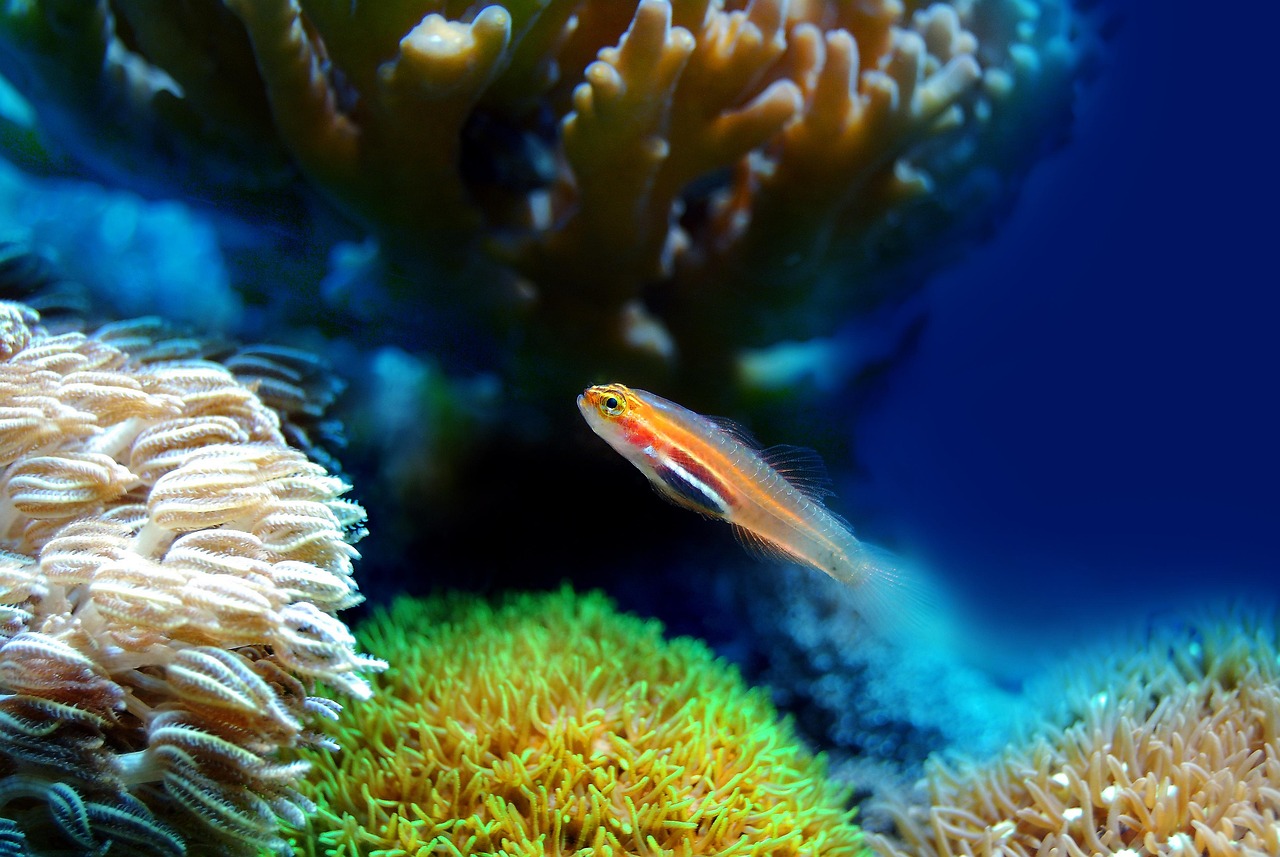
Anthias turn a reef display into a cloud of colour, but picking the wrong species means starved fish within months because many anthiinae demand feeding regimes that hobbyists routinely underestimate. An honest anthiinae species comparison reef guide sorts the commonly available species by tank demand, diet intensity and temperament, so you match the fish to your actual capacity rather than the shop tank fantasy. This breakdown from Gensou Aquascaping at 5 Everton Park focuses on three mainstays: lyretail, Bartlett and flame. Singapore availability and chiller reality are threaded through where the facts bite.
Understanding the Anthiinae Subfamily
Anthiinae are a subfamily of sea basses (Serranidae) comprising over 200 species, most living on outer reef slopes where they hover in the water column picking zooplankton. They are protogynous hermaphrodites, meaning females transition to males based on social hierarchy. All members share the same core requirements: high flow, frequent feeding and overhangs to retreat under. Differences emerge in adult size, temperament and how aggressively they defend territory.
Lyretail Anthias Overview
Pseudanthias squamipinnis is the species most people picture when someone says anthias. Males reach 12-15 cm and develop fuchsia bodies with a long dorsal filament; females remain orange and top out at 10 cm. A harem of one male and three to five females looks spectacular but needs 400 litres minimum with strong flow and at least four feedings per day. The lyretail anthias care guide covers the full stocking protocol.
Bartlett Anthias Overview
Pseudanthias bartlettorum stays smaller at 8-9 cm, is peaceful between conspecifics and suits 200-300 litre tanks comfortably. Colouration is yellow over a magenta back with a violet head tone. Bartletts are the most beginner-friendly anthias because they accept frozen food quickly and tolerate three feedings per day rather than four. The bartlett anthias care guide details the harem introduction technique.
Flame Anthias Overview
Pseudanthias ignitus, the flame anthias, is a smaller, glowing red-orange species reaching 8 cm, originating around the Maldives and Andaman Sea. They are the most delicate of the three commonly kept options, demanding four to five feedings daily and cooler water around 23-25°C. The flame anthias care guide covers introduction order in a harem, which matters more for this species than for Bartletts.
Tank Size and Aquascape Comparison
Tank volume scales with expected harem size. A lone Bartlett can live in 200 litres, a trio needs 300 and a full harem wants 400. Lyretails should not be attempted under 400 litres even for a pair, because the dominant male patrols aggressively. Flame anthias thrive in 300 litre set-ups with lots of vertical rockwork because they use midwater space more than the cave-leaning Bartletts.
Feeding Intensity Comparison
This is the decisive factor. Bartlett anthias do fine on three feedings daily if at least one uses frozen mysis. Lyretails need four or five feedings because their metabolism is higher and their harem dynamic means subordinate females get less at each meal. Flame anthias demand near-continuous feeding and starve quickly in tanks with single-daily feedings. An autofeeder running small pellet rations plus two manual frozen feeds keeps a working Singaporean busy without starving the fish.
Temperature and Climate Fit
Flame anthias want 23-25°C, Bartletts thrive at 25-26°C and lyretails accept 25-27°C. For a Singapore nano running without a chiller, none of the three suits the tank. A 1/10 HP chiller with proper insulation keeps a 300 litre reef at 25°C year-round; the best aquarium chiller marine singapore article matches chiller size to tank volume. SP Group tariffs at $0.32 per kWh add roughly $25 monthly for a well-sized chiller running 24/7 in a well-insulated tank.
Temperament and Tank Mate Compatibility
Bartletts are peaceful with other anthias species and most reef fish. Lyretails can harass smaller tankmates and will bully subordinate anthias in an overcrowded harem. Flame anthias are peaceful to the point of being outcompeted at feeding by boisterous tankmates like tangs or larger wrasses. Mixing anthias species in one tank is possible but requires a minimum 500 litre footprint and simultaneous introduction.
Price and Availability in Singapore
Bartlett anthias from the Marshall Islands arrive sporadically at Pasir Ris and Serangoon North shops for $80-120 each. Lyretails from Red Sea or Indonesia are more common at $50-90 for females and $120-180 for confirmed males. Flame anthias, shipped from the Maldives, command $180-250 and often need to be pre-ordered. Avoid the cheapest imports; stressed anthias that have not eaten in 72 hours rarely recover regardless of effort.
Quarantine and Acclimation Strategy
All three species benefit from a short, gentle quarantine rather than the aggressive copper treatment used for tangs and angels. Two weeks of observation with tank-transfer method handles ich without the appetite suppression that copper causes. Our quarantine copper treatment protocol article covers dose reduction for sensitive species.
Making the Choice for Your Reef
Choose Bartletts if you want anthias behaviour without the feeding intensity of the alternatives. Choose lyretails if you have 400-plus litres and enjoy showpiece reef fish. Choose flame anthias only if you can feed five times daily or run a quality autofeeder and you accept higher mortality risk during shipping. Match the fish to your actual routine, not the routine you hope to keep.
Related Reading



