
Nepthea Branching Leather Coral Care Guide
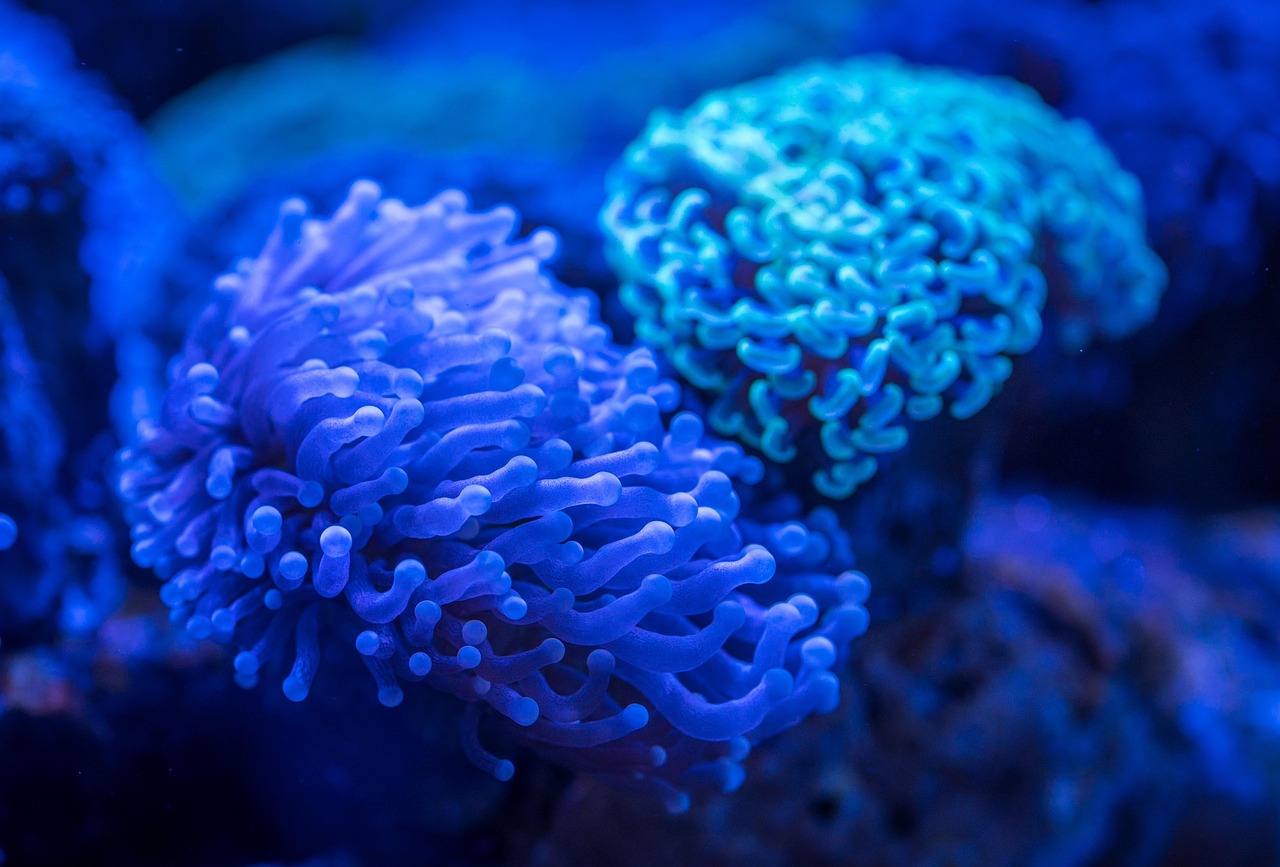
Nepthea corals add the billowing, tree-like movement that mushroom-and-zoa reefs often lack, turning a flat scape into a tropical woodland under flowing water. Competent nepthea branching leather coral care is straightforward once you understand the flow preferences, moderate lighting requirements and the episodic shedding that can alarm new keepers. This guide from Gensou Aquascaping at 5 Everton Park covers the placement, feeding and tank dynamics that let a Nepthea colony thrive for a decade. Singapore reef market sourcing and chiller implications are included where they bear on day-to-day keeping.
Taxonomy and Identification
The genus Nepthea, sometimes spelled Nephthea, belongs to the Nephtheidae family of soft corals alongside Litophyton and Capnella. Common names include kenya tree, broccoli coral and cauliflower leather, though these names are applied inconsistently across shops. Identify true Nepthea by the bushy tree-like branching pattern with distinct polyps at the branch tips that retract into sturdy calyces. Colour ranges from cream to pink to pale green, with occasional bluish tips.
Tank Size and Placement
Nepthea colonies reach 20-40 cm in well-established reefs, so plan placement with mature size in mind. A 150 litre reef can host a single specimen; larger tanks support forest-like groupings. Place on middle rockwork with room overhead because the colony arches and sways toward flow. Avoid placing directly above LPS or zoanthid colonies because Nepthea can overtop slower-growing neighbours within months. Our aquascape soft coral garden reef piece shows compatible layouts.
Lighting Preferences
Moderate lighting at PAR 80-150 suits Nepthea well. They tolerate lower light down to 50 PAR but growth slows and colouration fades. Excessive PAR above 200 triggers tissue contraction and shedding cycles. Blue-heavy reef spectrum supports the mild fluorescent pigments in pink and green morphs. Most AI Prime HD or Kessil A160 set-ups on a 90 cm tank produce adequate PAR without custom tuning; the best reef led light coral growth article covers fixture matching.
Flow Requirements
Flow is the decisive parameter for Nepthea success. Moderate to strong indirect flow keeps the colony inflated and prevents cyanobacteria accumulation in the branches. Target tank turnover at 20-30 times per hour with wavemakers positioned to sweep across rather than directly at the coral. Colonies in dead-flow zones develop brown algae on the stem and shed more frequently. Use pulsing wavemakers rather than constant flow to mimic reef currents.
Water Parameters
Target temperature 24-26°C, salinity 1.024-1.026, pH 8.1-8.3, alkalinity 8-9 dKH. Nepthea accepts moderate nutrient levels at nitrate 5-20 ppm and phosphate 0.05-0.15 ppm, showing better colour and growth in richer water than ultra-low nutrient systems. Keep calcium at 420-440 ppm and magnesium at 1280-1340 ppm. Singapore ambient demands a chiller for stable temperature; see the best aquarium chiller marine singapore guide for sizing.
Feeding Behaviour
Nepthea derives most energy from zooxanthellae but accepts targeted feeding of fine particulate foods. Offer coral food powders, rotifers, phyto or finely chopped frozen mysis once or twice weekly. Polyps extend during and after feeding, improving coral plumpness. Overfeeding risks nuisance algae in a small tank; two small feedings weekly suits most set-ups better than a single large dose.
Shedding Cycles
Nepthea periodically sheds a waxy outer tunic every 2-4 weeks, retracting polyps and developing a whitish film that peels off over 24-48 hours. New keepers often mistake this for disease. Increase flow during shedding to help dislodge the tunic; manual assistance with a turkey baster can accelerate the process. Shedding indicates healthy metabolism rather than stress, but cycles shorter than weekly suggest excessive light or nutrients.
Propagation and Fragmentation
Nepthea propagates readily by branch cutting. Use sharp scissors to snip a 3-4 cm branch, attach to a frag plug with rubber band elastic for 3-5 days, and the cutting usually adheres permanently. Parent colonies recover within weeks. Our how to frag soft corals beginners guide covers tool selection and sanitation for multi-species fragging sessions.
Tank Mates and Compatibility
Nepthea is non-aggressive and does not sting neighbouring corals, but it releases mild allelopathic compounds that can suppress SPS growth in small systems. Run activated carbon continuously and change weekly in SPS-mixed tanks. Fish compatibility is universal; Nepthea is not eaten by tangs, angels or butterflyfish in most cases. Pair with softies like Sinularia, Sarcophyton and zoanthids for a cohesive soft coral display.
Singapore Availability and Pricing
Nepthea frags appear regularly at Pasir Ris, Serangoon North and occasional Thomson area shops, imported from Indonesia or Fiji. Typical frag pricing runs $20-45 SGD for small 3-5 cm pieces, with colony-sized specimens at $80-150. Pink and green morphs command slight premiums over cream. The species is propagated locally by many reef keepers, with Carousell listings frequently around $15-25 for trade frags.
Long-Term Care and Colony Management
Mature Nepthea colonies can dominate a reef display within 2-3 years through branch growth and natural fragmentation. Prune regularly to maintain shape and prevent shading of adjacent corals. Pruned branches propagate reliably, which makes Nepthea an excellent first soft coral for hobbyists learning fragging techniques. Colour fades occur when lighting drifts below optimal PAR; adjust fixture age and intensity annually to maintain vigour.
Related Reading



