
Geophagus Tapajos Orange Head Care Guide
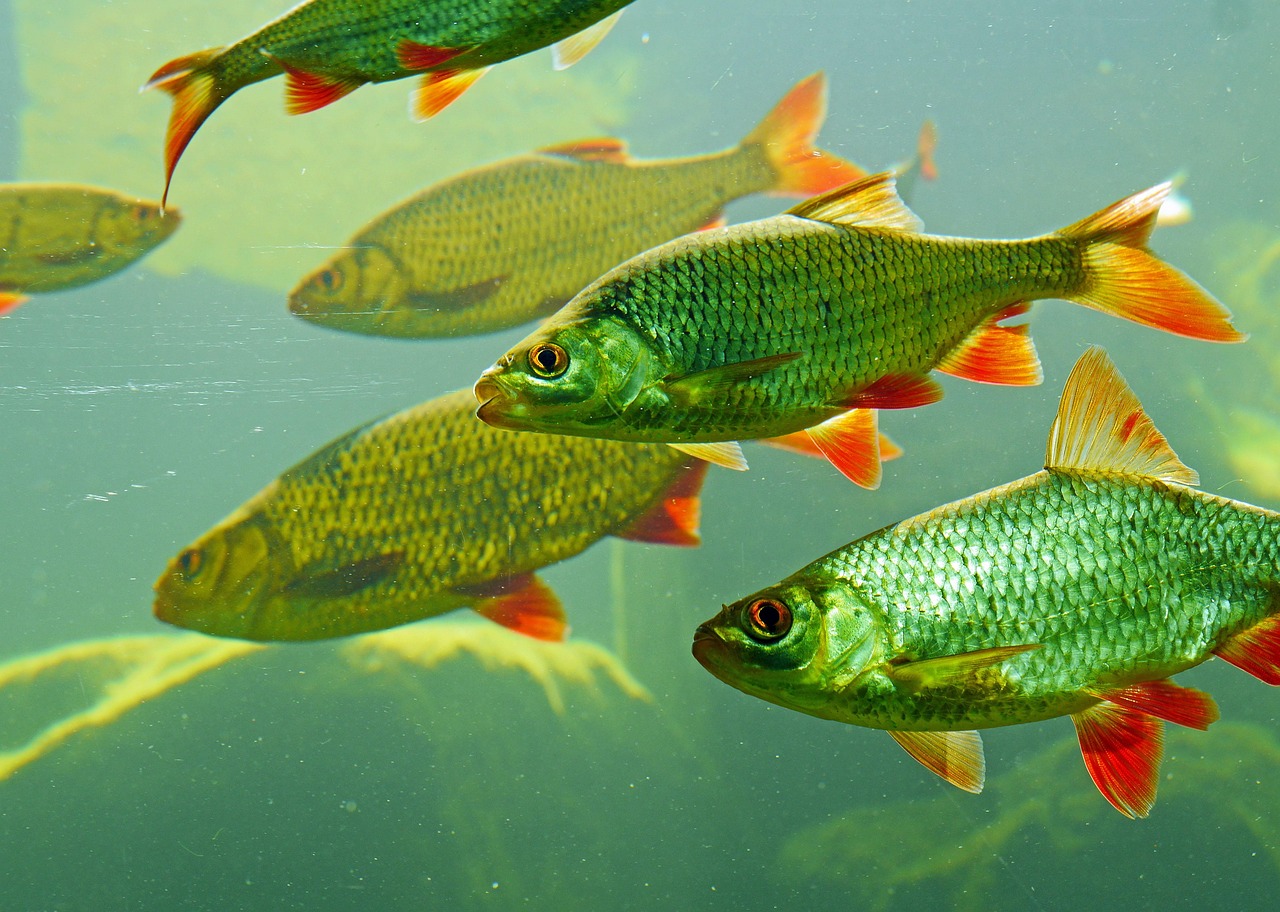
The orange head Tapajos, properly Geophagus winemilleri or the closely related G. sp. “Tapajos red head”, is the most beginner-friendly of the showy eartheaters and the one most local hobbyists meet first. Adults stay slightly smaller than sveni, colour up faster on quality food, and tolerate Singapore tap water with less RO mixing. Solid geophagus tapajos orange head care still demands a long sandy tank, group living and the right tank mates. This guide from Gensou Aquascaping at 5 Everton Park covers everything from sourcing at Y618 to managing nitrate over the long haul.
Tapajos vs Other Geophagus
The Tapajos shows a vivid orange forehead patch over an iridescent green-blue body, smaller adult size of 14 to 16 cm versus sveni’s 18 to 20 cm, and a more rounded head profile. It originates from the clearwater Tapajos River in Brazil rather than the blackwater Tocantins, which means it tolerates slightly harder water than red head sveni. That single difference makes it the easier keeper for tap-only Singapore setups.
Tank Size for a Group
A group of five to seven Tapajos needs a 120 cm tank minimum, ideally 150 cm. Solo specimens become withdrawn or overly aggressive; the species is genuinely social. For an HDB setup, a 4-foot 240 litre tank on a reinforced cabinet handles a juvenile group well, with an upgrade to 5-foot recommended once they hit 8 cm body length. Plan footprint over height; eartheaters use the bottom third of the tank almost exclusively.
Water Chemistry With Singapore Tap
Comfortable parameters are pH 6.0 to 7.5, kH 2 to 6 dKH, gH 3 to 8, and temperature 26 to 28°C. PUB tap at pH 7.5 and kH 2 to 3 sits at the upper edge but works without RO blending if you maintain rigorous water changes. A small driftwood load and a pinch of catappa leaves keep the pH gently acidic. Nitrate ceiling is 25 ppm; above that, head pitting and listless behaviour appear within weeks. The aquarium tannins benefits management piece covers tannin dosing for cichlids.
Sand and Substrate Setup
Soft fine river sand at 4 to 6 cm depth lets Tapajos sift naturally. They take a mouthful of sand, chew through it for edible micro-organisms, and expel the grains through their gills. This is the entire reason to keep them; substrate that prevents the behaviour wastes the species. Skip aquasoil and gravel completely. White or buff sand from C328 at $15 to $25 per 5 kg works perfectly. Refer to best aquarium sand for corydoras tank for the same recommended grades.
Hardscape and Plants
Open swimming space matters more than dense planting. Use a few large smooth river stones for visual divides, a piece of spider wood as a centrepiece, and tough epiphytes attached to wood: Anubias barteri, Microsorum pteropus, Bucephalandra. Vallisneria americana in the rear corners gives the tall background sveni-style displays favour. Avoid carpeting plants; the constant sand sifting buries them within days.
Diet for Best Colour
Feed a base of high-quality sinking pellets twice daily, supplemented with frozen bloodworm, mysis, brine shrimp and the occasional chopped earthworm. NorthFin Cichlid Formula and Hikari Sinking Cichlid Excel both colour Tapajos well. Avoid Krill-heavy formulas; they brighten orange but at the cost of long-term gut health. Our cichlid pellet size chart guide sizes pellets to body length.
Tank Mate Compatibility
Tapajos are some of the most peaceful cichlids in the hobby. Pair them with rummy nose tetras, cardinal tetras, hatchetfish, Bolivian rams and small to mid-sized plecos. Discus and Tapajos coexist beautifully if temperatures stay around 28°C. Avoid African cichlids, large catfish that will eat fry, or aggressive South Americans like green terrors. The aquascape for rummy nose tetra shoal layout doubles as a perfect Tapajos community plan.
Breeding in a Community
Tapajos are biparental mouthbrooders. A pair forms naturally from a juvenile group of six and stakes out a flat stone for spawning. Eggs hatch in 48 hours, parents transfer wrigglers to the substrate, then both take fry orally for 10 to 14 days. They will breed in a community tank, which is unusual for cichlids; tank mates rarely manage to steal a fry past the parents. No special trigger water is required if your weekly maintenance is consistent.
Singapore Sourcing and Quarantine
Y618, C328, Iwarna and Polyart all stock Tapajos seasonally. Juveniles at 4 to 5 cm sit at $20 to $35 each; adult breeding pairs run $150 to $250. Quarantine for three weeks with a single-dose praziquantel and a clean diet to clear gill flukes and internal parasites. Hexamita is the most common shipped issue; symptoms appear after week one in the new tank.
Long-Term Maintenance
Plan on weekly 40 to 50% water changes and monthly filter rinses. Run filtration at six to eight times tank turnover, biased toward biological media because of the high organic load from sand sifting. A chiller holding 25 to 27°C extends lifespan and improves colour intensity. Tapajos live 10 to 12 years in optimal conditions, more than enough to justify the chiller investment for an HDB setup.
Related Reading



