
Geophagus Eartheater Care Guide: Sand-Sifting Cichlids for Large Planted Tanks
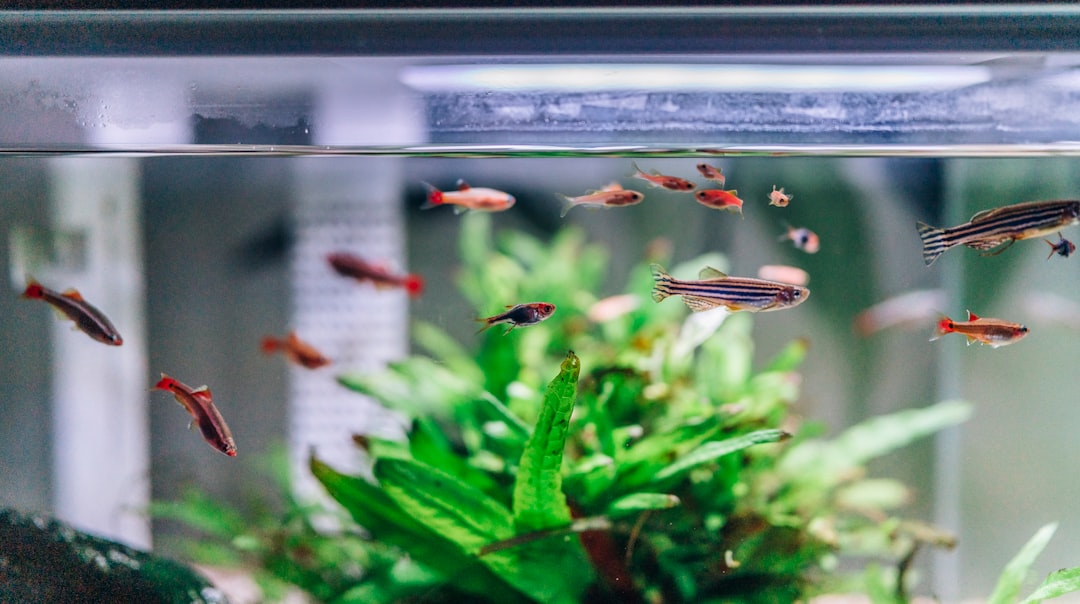
Watching a geophagus scoop a mouthful of sand, sift it through its gills and expel a plume of fine particles is one of freshwater fishkeeping’s most fascinating behaviours. These South American cichlids are called eartheaters for good reason, and their constant substrate interaction makes them endlessly entertaining. This geophagus eartheater care guide from Gensou Aquascaping at 5 Everton Park, Singapore covers the practical details of housing, feeding and breeding these impressive sand-sifting cichlids in Singapore’s tropical climate.
Popular Species in the Hobby
The genus Geophagus and its close relatives encompass dozens of species. The most commonly kept include Geophagus sveni, Geophagus winemilleri, Geophagus altifrons (Tapajos Red Head) and Satanoperca leucosticta. Sizes range from 12 cm for smaller species to over 25 cm for large ones like G. altifrons. Colours vary enormously, from the electric red-orange heads of Tapajos forms to the iridescent blue spangling of G. sveni. Research your specific species carefully, as care requirements differ between groups.
Tank Size and Layout
Eartheaters need space. A group of five to six juveniles requires a minimum of 300 litres, and adults of larger species need 450 litres or more. Length matters more than height; a 120 cm long tank gives adequate swimming room. The substrate must be fine sand, not gravel. Geophagus sift sand constantly, and coarse substrates can damage their delicate gill rakers. Pool filter sand or fine river sand, both available at hardware stores in Singapore for under $10 per 25 kg bag, work perfectly.
Arrange driftwood and stones to create visual barriers without restricting the open sand flats that eartheaters need for foraging. Hardy plants like Anubias and java fern attached to hardscape survive the constant digging, while rooted plants will be uprooted repeatedly.
Water Parameters
Most geophagus species prefer soft, acidic water with a pH of 5.5 to 7.0 and GH below 8. Singapore’s PUB tap water is naturally soft, which gives local keepers an advantage. Temperature should sit between 26 and 30 degrees Celsius, well within Singapore’s ambient range, meaning a heater is rarely needed. Tannin-stained water from Indian almond leaves or driftwood replicates their blackwater origins and helps maintain the low pH these fish prefer. Strong filtration is necessary given their size and messy eating habits; a canister filter rated for at least twice the tank volume is advisable.
Diet and Feeding
In nature, eartheaters sift through substrate to extract insect larvae, small crustaceans and organic matter. Replicate this by feeding sinking pellets that settle into the sand, encouraging natural foraging behaviour. Supplement with frozen bloodworms, brine shrimp and chopped prawns. Some keepers scatter food directly onto the sand so the fish can sift and forage rather than eating from the surface. Avoid floating foods that force these bottom-oriented fish to feed unnaturally. Two moderate feedings per day keep them in good condition without fouling the water.
Social Structure and Tankmates
Geophagus are gregarious cichlids that thrive in groups of five or more. Keeping a single specimen often results in a stressed, pale fish that hides constantly. Within the group, a loose hierarchy forms with mild chasing but rarely serious aggression. Suitable tankmates include larger tetras like Buenos Aires or Congo tetras, peaceful catfish such as Pterygoplichthys species, and other non-aggressive South American cichlids. Avoid combining them with highly territorial species like oscars or aggressive mbuna.
Breeding Behaviour
Many geophagus species are larvophilous mouthbrooders, meaning the female picks up the larvae after hatching rather than holding eggs from the start. Pairs form naturally from groups, and spawning typically occurs on a flat stone or directly on the sand. The female guards the eggs for two to three days until they hatch, then scoops the wriggling larvae into her mouth for protection. She holds the fry for two to three weeks, during which she does not eat. Fry are released at around 1 cm and can eat baby brine shrimp immediately.
Common Challenges in Singapore
The biggest challenge is maintaining clean, soft water in a large tank with messy fish. Weekly 30 to 40 per cent water changes are the minimum. Internal parasites are common in wild-caught or farm-bred geophagus; a preventive deworming with praziquantel upon acquisition saves trouble later. Hexamita infections, which cause hole-in-the-head disease, are another concern. Maintaining clean water, varied diet and low stress levels prevents most cases. Metronidazole treats early-stage infections effectively.
Sourcing and Cost
Juvenile geophagus are available at specialist shops and on Carousell, typically priced between $8 and $25 per fish depending on species and size. Tapajos Red Head variants command higher prices of $20 to $40 for colour-showing juveniles. Buy a group of at least six juveniles and let them grow together, as this produces the most natural social dynamics and the best chance of obtaining breeding pairs. At Gensou Aquascaping, we consider eartheaters among the most rewarding cichlids for hobbyists ready to invest in a large, properly equipped tank.
Related Reading



