
Flame Hawkfish Care Guide Reef: Neocirrhites Armatus
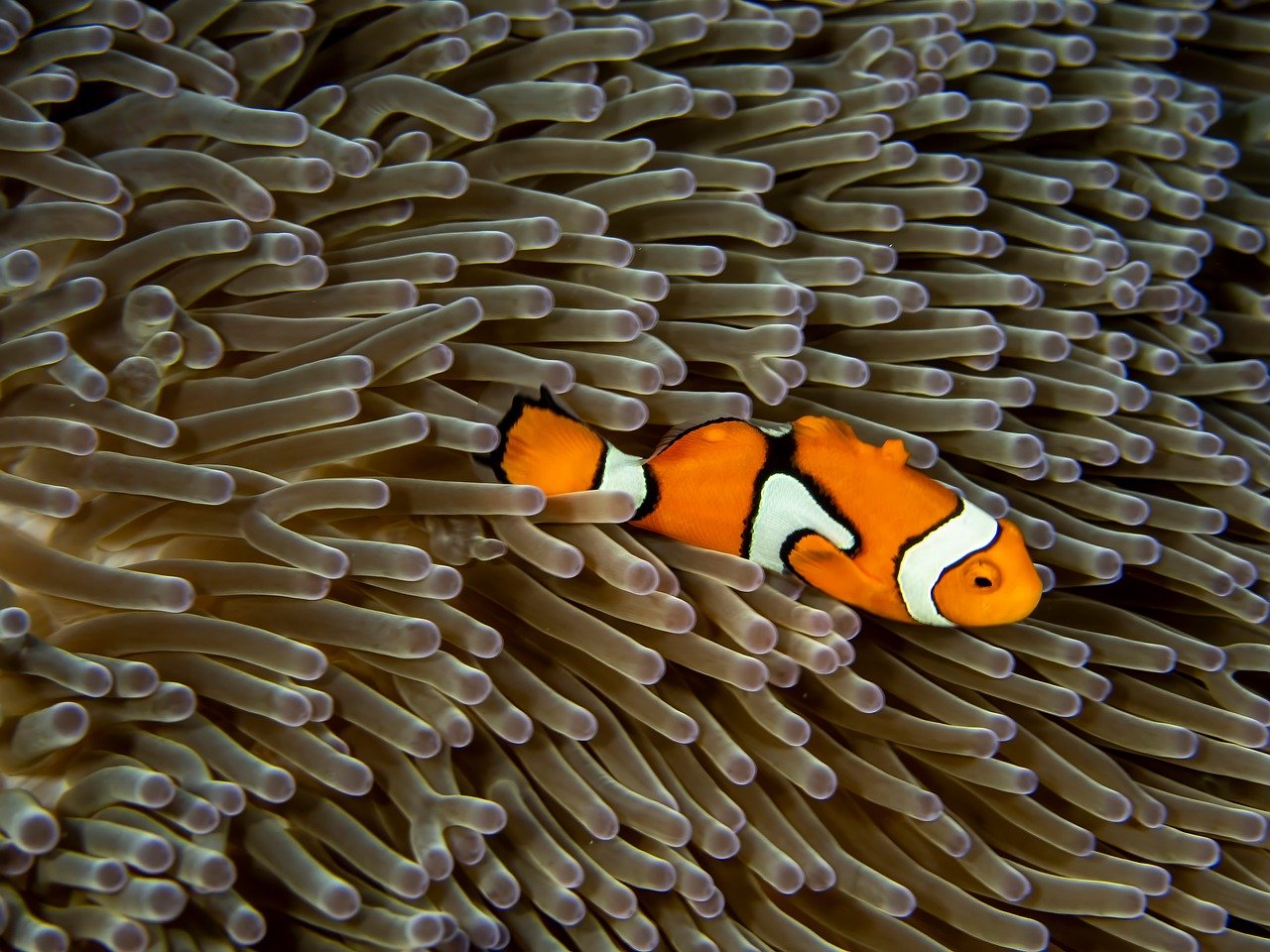
Few small reef fish carry the visual punch of a scarlet hawkfish perched on a frag plug, eyeing the tank like a tiny dragon. This flame hawkfish care guide reef from Gensou Aquascaping at 5 Everton Park is built around a decade of Neocirrhites armatus placements in Singapore homes, where the species has earned its reputation as the most cooperative of the cirrhitids. Expect honest notes on what the fish will and will not eat, which invertebrates it will harass, and how to settle a new specimen into a quarantine tank without the usual three-day hunger strike.
Species Profile and Range
The flame hawkfish hails from the western and central Pacific, particularly the steep outer reef slopes of Fiji and the Solomon Islands where it perches in Pocillopora heads at 5 to 30 metre depths. Adults top out around 9 cm, smaller than most reef keepers expect from the photographs. The body is a uniform crimson with a black-edged dorsal fin and the characteristic cirri tufts on the dorsal spines. Wild collection is sustainable from Fiji under the current MAC guidelines, and most SG imports route through Cairns or Bali.
Tank Size and Aquascape Requirements
A 150-litre reef is the practical minimum, with 250 litres preferred for long-term territory comfort. The fish spends 90 percent of its day perched motionless on rockwork or coral colonies, so vertical structure matters more than swimming volume. Provide at least three or four perch points at varying heights, ideally Pocillopora or Stylophora frags it can claim. A bare-bottom tank works fine; flame hawkfish do not interact with sand. Our mixed reef placement guide covers how to lay out perches without crowding coral growth zones.
Water Parameters for Long-Term Health
Standard reef chemistry suits the species: 24 to 26 °C, salinity 1.025 to 1.026, alkalinity 8 to 9 dKH, and nitrate under 10 ppm. Singapore tanks running natural ambient at 28 to 29 °C are slightly warm for the fish but acceptable provided dissolved oxygen stays high; add a wavemaker aimed at the surface if you do not run a chiller. The species tolerates parameter swings better than most wrasses but will refuse food for 24 hours after a significant water change. Stable is more important than perfect.
Diet and Feeding Behaviour
Flame hawkfish are obligate carnivores with a strong preference for moving prey. In the wild they ambush small crustaceans and the occasional juvenile fish from their perch. In captivity they accept frozen mysis, brine, chopped silversides, and pellet food once trained, but live blackworm or amphipods will always trigger the fastest response. Feed twice daily for the first month, then drop to once daily once the fish settles. Overfed hawkfish lose their hunting alertness and develop fatty liver issues by year three.
Reef Compatibility and Coral Safety
The species does not nip corals, polyps, or zoanthids. It will, however, perch directly on LPS and SPS colonies, and the body weight can damage delicate Acropora tips over months. Move perch-prone frag plugs to dedicated rockwork if you see the fish settling on prized colonies. Clams are safe; the fish ignores their mantles entirely. The bigger issue is the hawkfish’s appetite for ornamental shrimp.
Tankmate Selection and Shrimp Risk
Cleaner shrimp under 4 cm and any sexy shrimp, anemone shrimp, or peppermint shrimp are at high risk of predation. Mature skunk cleaners and fire shrimp over 5 cm are usually safe but not guaranteed. Pair the fish with bold mid-water swimmers like flame angels, midas blennies, and yellow tangs rather than timid pygmy gobies. Avoid keeping two flame hawkfish in tanks under 600 litres; intraspecific aggression is fierce. The reef safe fish list notes the species as cautious-reef-safe with shrimp warnings.
Quarantine and Acclimation
Run a four-week prophylactic quarantine in a 60-litre bare tank with copper at 2.0 ppm or a tank-transfer protocol if you suspect velvet exposure. Hawkfish handle copper better than most wrasses but still benefit from cupramine over copper sulphate. Drip acclimate at 2 drops per second for 90 minutes when introducing to display, and dim the lights for the first 24 hours. New arrivals usually perch high and refuse food day one; offer live brine on day two and frozen mysis day three.
Breeding Notes
Captive breeding remains rare. The species is a protogynous hermaphrodite with the dominant individual becoming male, and pair bonds form readily in tanks over 400 litres. Spawning has been documented in public aquariums but larval rearing through the 30-day pelagic phase is the bottleneck. Hobbyist success is unlikely; consider this a display species rather than a project fish.
Common Problems
The most frequent issue is jumping. Flame hawkfish are determined leapers and will exit any uncovered tank within the first two weeks; a mesh lid or rimmed cover is non-negotiable. Second most common is shrimp casualties from owners who underestimate the predation risk. Third is gradual weight loss from monotonous pellet diets; vary the menu weekly with frozen krill, mysis, and the occasional fresh prawn morsel.
Sourcing in Singapore
Expect $80 to $130 for a healthy 6 to 7 cm specimen at Iwarna, Polyart, or Aquamarin. Avoid juveniles under 4 cm; mortality in the first month is high for tiny imports. Ask the shop how long the fish has been in their system and whether it is eating frozen food before purchase. A quick test feed at the shop is reasonable to request. For collection-route transparency, the marine fish collection ethics overview helps you ask the right questions.
Long-Term Outlook
With proper care, captive flame hawkfish live 7 to 10 years and remain the same size and colour they arrived with. They are not the showiest swimmers but their personality and unflinching crimson makes them one of the few small reef fish that genuinely improves a mature tank rather than just adding to the bio-load. For first-time reef keepers transitioning from softies to mixed reefs, this species sits among the easier recommendations Gensou makes.
Related Reading



