
Hardy Beginner Saltwater Fish List Guide: Forgiving Species
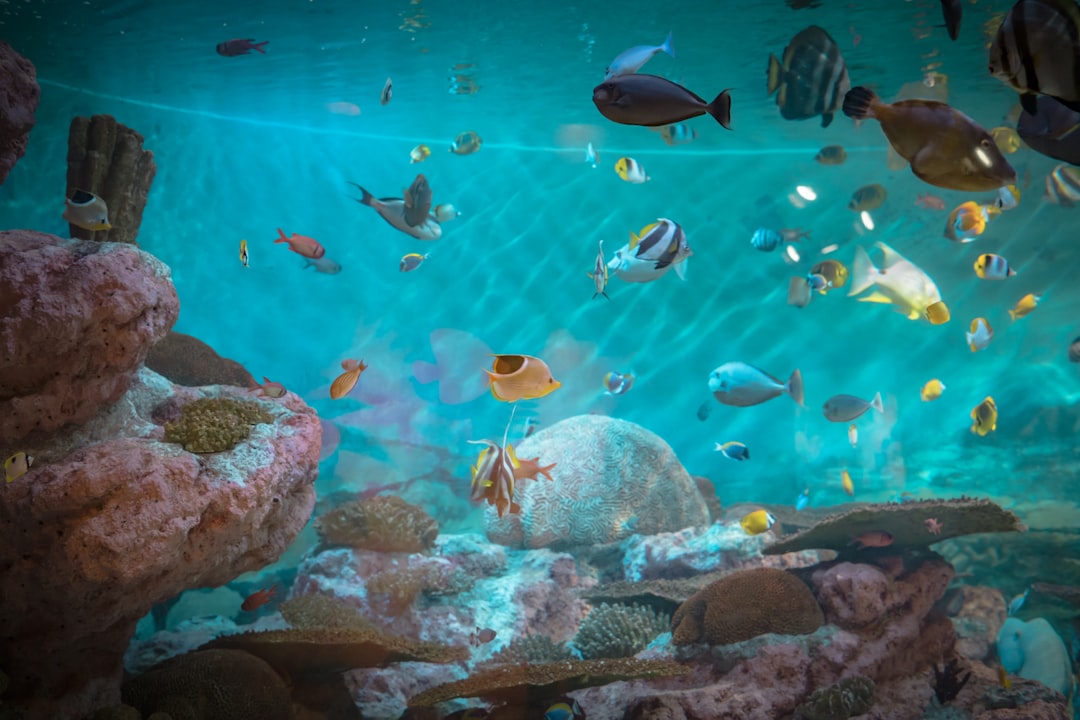
Hardy in the marine world means a species that survives the beginner mistakes: a missed water change, a temperature swing during a chiller failure, a minor salinity drift. This hardy beginner saltwater fish list guide ranks species by real-world tolerance based on how they fared across hundreds of Singapore setups — not by glossy shop labels. Gensou Aquascaping at 5 Everton Park has tracked which marine species actually make it through year one versus which perish in the first ich outbreak. This guide sits inside our broader Saltwater Reef Tank Master Guide reference.
Tier One: Nearly Bulletproof
Captive-bred ocellaris clownfish (Amphiprion ocellaris) at SGD 30-50 from Qian Hu sit at the top. Disease-resistant, tolerant of salinity 1.023-1.027 and temperature 24-29 degrees Celsius, they shrug off beginner errors that kill most species. Eats pellets, mysis, krill, almost anything. A pair spawns readily and rarely fights.
Tier Two: Forgiving With Basic Care
Yellowtail damsel (Chrysiptera parasema) at SGD 18-25 tolerates broad parameters and eats anything. Green chromis (Chromis viridis) at SGD 10-15 in groups of five shoal beautifully and handle stock swings. Yellow watchman goby (Cryptocentrus cinctus) at SGD 30-50 sifts sand and adapts fast to new tanks.
Tier Three: Hardy in Mature Systems
Royal gramma (Gramma loreto) at SGD 60-80 tolerates reef parameters once the tank is stable. Midas blenny at SGD 55-75 eats prepared foods readily. Tailspot blenny at SGD 60-80 grazes algae actively. All three thrive after month three once the biofilter matures but can stress in the early post-cycle period.
Temperature and Salinity Tolerance
Clownfish handle 24-29 degrees Celsius — the widest window of any common marine fish. Damsels match this range. Royal gramma and firefish prefer the tighter 24-26 degrees Celsius band. In SG, a chiller failure on a weekday afternoon can push a nano tank to 30 degrees within four hours; clownfish survive, firefish may not. Design the stock list around the chiller reliability you can afford.
Disease Resistance
Marine ich (Cryptocaryon irritans) and velvet (Amyloodinium) are the two big killers. Captive-bred clownfish rarely carry either. Wild-caught damsels can arrive infected. Tangs are notorious ich magnets; avoid them in beginner tanks. A 14-day quarantine in a separate 20 L tub with a sponge filter catches infections before the display is exposed.
Feeding Simplicity
Hardy species eat prepared foods. Ocellaris, damsels, chromis, gramma, gobies and blennies all take pellets like Hikari Marine S (SGD 18 at C328) and frozen mysis or brine shrimp. Species requiring live food only — mandarin dragonets, long-nosed butterflies, cleaner wrasses — belong in advanced tanks, not beginner lists.
The Species That Look Easy But Fail
Blue hippo tang is marketed as beginner-friendly because of its fame; it carries ich, needs 300 L, and eats mostly algae-based foods most shops do not stock. Mandarin dragonet looks cute and cheap; starves without copepod culture. Lawnmower blenny is hardy in size but can turn pest-aggressive toward corals once algae runs out. Read past marketing to behavioural requirements.
Stocking Density for Hardy Species
A 75 L nano reef holds two clownfish plus one royal gramma comfortably. A 150 L tank handles four to five hardy species. A 250 L holds six to seven. Going past these densities compounds every beginner mistake — feeding errors, water-change delays and skimmer blockages turn from minor into lethal.
SG-Specific Livestock Sources
C328 Clementi carries consistent captive-bred clownfish and tailspot blennies. Qian Hu runs broader fish lists including damsels and chromis. Iwarna Aquafarm stocks rarer species but prices higher. Seaview and Reef Depot specialise in reef-safe livestock. Natural seawater harvesting from Sentosa or East Coast is illegal under NEA regulations and unreliable as a livestock source anyway.
A Sample Hardy Stock List for a 100 L Reef
Pair of ocellaris clownfish (SGD 70-90), one royal gramma (SGD 70), one tailspot blenny (SGD 70), one yellow watchman goby with tiger pistol shrimp (SGD 80 combined). Total stock cost around SGD 290 — hardy, reef-safe, compatible and realistic for a first-year Singapore nano.
Related Reading



