
Glow in the Dark Fish Tank Guide: GloFish and UV
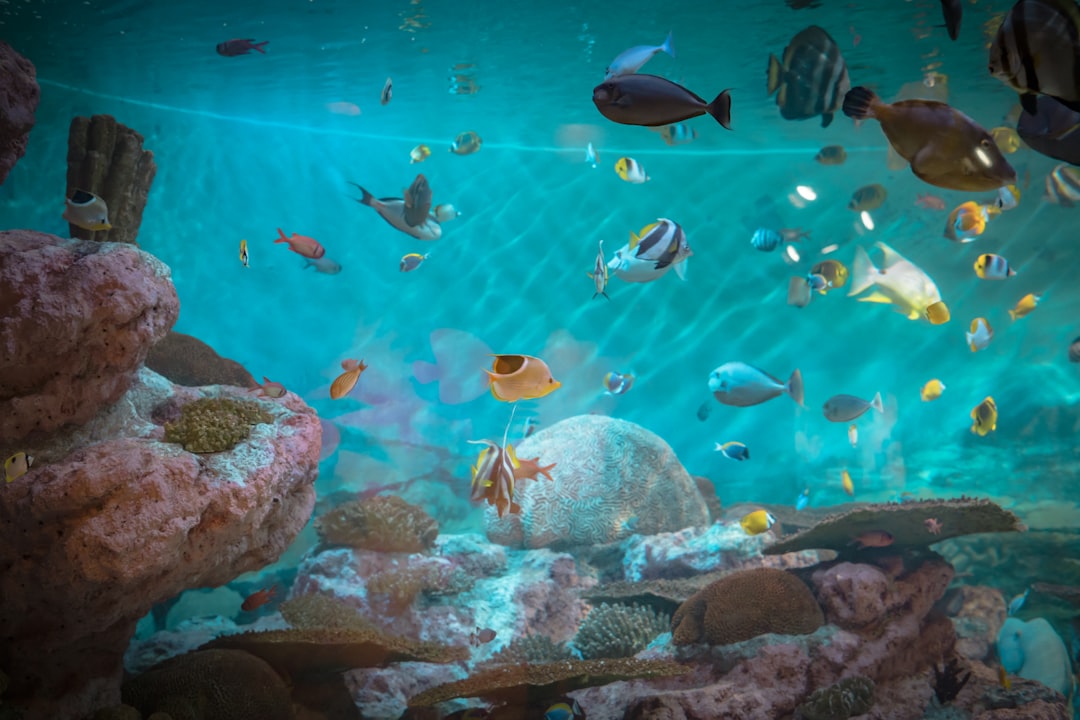
A glow-in-the-dark tank can be a genuine show-stopper or an ethical minefield depending on how it is built — and the difference is almost always in the decisions made before any fish are purchased. This glow in the dark fish tank guide from Gensou Aquascaping at 5 Everton Park covers GloFish species available in Singapore, UV-reactive decor, blue actinic lighting, and the welfare considerations that separate responsible setups from novelty aquariums that fail within six months. Read it before committing SGD 60-140 on GloFish that deserve better.
Two Categories: Glowing Decor vs Glowing Fish
UV-reactive decor and substrate glow under blacklight or actinic LEDs but work with any normal fish. This is the low-risk category — normal tetras, guppies or danios plus fluorescent ornaments. The second category is GloFish — genetically modified zebra danios, tetras, barbs and sharks carrying fluorescent protein genes from jellyfish or coral. Legal in Singapore, permanently glowing, more expensive, and more ethically complicated.
GloFish Species in Singapore
PetLovers, Qian Hu and select Thomson and Seletar shops stock six main species: zebra danio, tetra (black tetra base), tiger barb, rainbow shark, betta, and cory catfish. Colours are Electric Green, Starfire Red, Sunburst Orange, Cosmic Blue, Galactic Purple and Moonrise Pink. Pricing runs SGD 8-12 per small fish (danios, tetras) to SGD 20-35 for larger species (rainbow sharks, bettas). Always verify the seller imports from licensed Yorktown Technologies distributors — unlicensed genetics are legally grey.
Care: Same as Base Species
GloFish care is identical to the non-modified version. Zebra danios want 22-26°C, pH 6.5-7.5, and a 60+ cm tank for a school of six minimum. Tiger barbs want 24-28°C and groups of eight to dilute nipping. Tetras suit 25-28°C soft water. The fluorescence does not affect biology — behaviourally and physiologically these are the standard species in every respect. Buy aquarium equipment at the tanks and cabinets range.
Lighting That Makes Them Pop
GloFish fluoresce under blue (450-470 nm) and UV-A (395-405 nm) light. Dedicated GloFish LED hoods cost SGD 45-85 and include both spectra. DIY with a blue actinic strip from the lighting collection plus a 395 nm blacklight on a separate timer works at half the cost. Photoperiod rule: run normal white LED for the main 6-8 hours, switch to blue/UV for 1-2 hour evening viewing, not all day.
Ethics of GloFish
Critics argue genetic modification of pets for aesthetic novelty normalises GMO creep. Supporters point out the fish are healthy, identical in behaviour to wild zebra danios, and are marketed as sterile (though some fertility has been reported in home tanks). The EU and Australia have banned import on GMO grounds. Singapore permits sale. Your call — but never release GloFish into local waterways. The unintended consequences of introducing modified genetics to wild populations are unknown.
UV-Reactive Decor Options
Coloured fluorescent gravel (SGD 18-30 per 2 kg), painted resin ornaments, glow-in-the-dark plastic plants, and UV-reactive castles and ships. Stick to aquarium-grade brands — craft paints from Popular Bookstore or Daiso leach when submerged. Qian Hu sells proper UV-reactive ornaments between SGD 20-55 per piece. A single hero ornament plus gravel accent reads better than twelve small props competing for attention.
Black Substrate Plus Glow Combo
Pure black substrate from the decoration substrate range with UV-reactive green or pink gravel as a thin 1-2 cm accent layer creates dramatic contrast under blue/UV lighting. GloFish against black substrate glow like neon fireflies. The dark backdrop works equally well during daytime white lighting, so the tank looks polished in both modes.
Community Stocking with GloFish
GloFish work alongside same-species non-modified fish (a zebra danio GloFish school mixes fine with wild-type), but sizing still matters. A 60 cm tank handles 8-10 small GloFish plus corydoras cleanup crew. Avoid mixing modified tiger barbs with long-finned tankmates — barbs nip regardless of modification. Cory catfish GloFish make excellent bottom dwellers that glow beneath the midwater schools.
Plants and Glow Setups
Live plants do not fluoresce but still improve water quality for any aquarium. Run planted LED for the main photoperiod. Java fern, Anubias and Bucephalandra handle lower-light GloFish hood spectrums well. Avoid carpet plants that need strong 6500 K full spectrum — they will fail under blue/UV-biased setups.
Common Mistakes to Avoid
Running blue/UV light 12+ hours per day stresses fish and kills plants. Buying GloFish from unverified online sellers risks disease and legal ambiguity. Overstocking small novelty tanks (15 GloFish in a 30-litre cube) causes rapid water quality collapse. Using craft-store fluorescent paint on decor leaches toxins. Mixing wild-type fish that require darkness (plecos) with high-blue lighting creates chronic stress.
Budget Example: 60 cm GloFish Community
60 cm rimless tank SGD 85, black substrate SGD 28, UV-reactive gravel accent SGD 25, one ceramic ornament SGD 35, GloFish LED hood SGD 65, six zebra danio GloFish SGD 55, six black tetra GloFish SGD 60, four cory catfish SGD 45, plants and hardscape SGD 40, conditioners and filter media SGD 55. Total: approximately SGD 493 for a properly equipped ethical build.
Related Reading

emilynakatani
Still Have Questions About Your Tank?
Drop by Gensou Aquascaping — most walk-in questions get answered in under 10 minutes by someone who has set up hundreds of tanks.
5 Everton Park #01-34B, Singapore 080005 · Open daily 11am – 8pm


