
Glow Fish Tank Complete Guide: GloFish Care and Setup
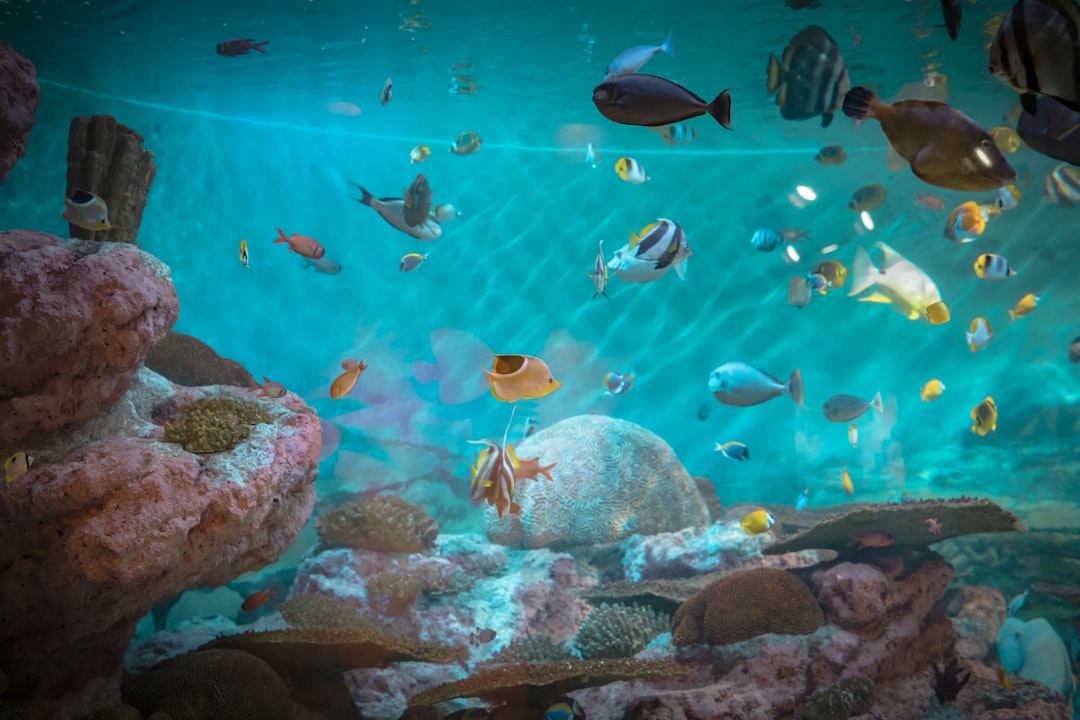
GloFish are not a different species — they are genetically modified versions of zebra danios, tetras, tiger barbs, rainbow sharks, bettas and cory catfish, and they need exactly the same care their wild-type cousins do. This glow fish tank complete guide from Gensou Aquascaping at 5 Everton Park covers species-by-species care, proper tank setup, lighting choices and Singapore sourcing for hobbyists who want to keep GloFish responsibly. The core point throughout: fluorescence is cosmetic, the biology is standard, and every GloFish deserves the same husbandry as any other pet fish.
GloFish Species Available in Singapore
Six species sold: zebra danio (Danio rerio), black tetra base GloFish tetra (Gymnocorymbus ternetzi), tiger barb (Puntigrus tetrazona), rainbow shark (Epalzeorhynchos frenatum), betta (Betta splendens), and corydoras (Corydoras aeneus). Each comes in Electric Green, Starfire Red, Sunburst Orange, Cosmic Blue, Galactic Purple or Moonrise Pink. Pricing at PetLovers and Qian Hu runs SGD 8-12 for small species, SGD 20-45 for bettas and sharks.
Tank Size Requirements by Species
GloFish zebra danios: minimum 60 cm, 60-80 litres, for a school of eight. GloFish tetras: 60 cm, same stocking rule. Tiger barb GloFish: 90 cm, 120 litres for a group of eight (nipping behaviour needs the numbers). Rainbow shark GloFish: 120 cm, 200 litres, singly kept. Betta GloFish: 20 litres minimum, solitary. Cory GloFish: 60 cm, group of six. Do not size down just because the fish are small — the behavioural needs are identical to wild-type.
Water Parameters
All GloFish species tolerate 22-28°C, pH 6.5-7.5, moderate hardness. Singapore tap water (GH 2-4, pH 7.0-7.5 after dechlorination) is within range for every GloFish species. Use a dechlorinator to neutralise chloramine. Heaters are rarely needed in Singapore ambient; a thermometer to monitor summer highs (tanks can reach 30°C in HDB without air-con) is mandatory. Condition water with products from the substrate and conditioning range.
Filtration and Flow
GloFish require the same filtration their wild-type cousins do. A hang-on-back or canister rated for 4-6x tank turnover is the target. A 60 cm, 60-litre tank wants 240-360 LPH flow. Danios prefer moderate current that mimics stream conditions; bettas want gentle flow. Match the filter to the species, not just the tank volume.
Lighting for GloFish Display
Dedicated GloFish LED hoods produce blue (450-470 nm) and white light that makes fluorescence pop. Third-party planted LEDs from the lighting collection plus a supplementary blue actinic strip deliver the same effect at lower cost. Schedule: 6-8 hours of full white for plants and general visibility, plus 1-2 hours of blue/UV for evening viewing glow. Never run blue-biased light 24 hours — plants die and fish circadian rhythms disrupt.
Substrate and Hardscape
Dark substrate maximises fluorescent contrast. Use aquasoil or black quartz sand from the decoration substrate range. Hardscape can be driftwood, dark rocks, or themed resin ornaments. Avoid bright-white substrate — it washes out GloFish colours under blue light. A single ceramic castle or the Zhen De castle with river adds visual interest without competing with the fish.
Plants That Work
Live plants work fine with GloFish — anubias, java fern, Bucephalandra, cryptocoryne, Vallisneria all tolerate the standard planted-tank parameters GloFish need. Source from the live plants catalogue. Plants improve water quality and give fish shelter; GloFish hide in plant cover the same way wild-type fish do. Avoid CO2 injection primarily for the GloFish — it is not harmful but unnecessary unless running demanding plant species.
Feeding
Standard micro-pellets, crushed flake, and occasional frozen bloodworm or brine shrimp for all GloFish species. Feed once or twice daily, portion consumed within two minutes. Overfeeding is the single most common killer of GloFish tanks — the small tanks they often end up in have little buffer against leftover food pollution.
Community and Tank Mates
GloFish mix with non-modified same-species fine — zebra danio GloFish integrate seamlessly with wild-type zebra danios. Across species, apply normal community rules: tiger barbs still nip long fins regardless of modification, rainbow sharks are still territorial adults, danios still want current and open water. Compatibility is driven by behaviour, not glow colour.
Breeding and Fertility
GloFish were originally marketed as sterile but natural breeding has been observed. Marketed product fish are intended for display only; deliberately breeding GloFish violates licensing terms. Offspring would inherit the fluorescent gene. If GloFish do spawn unintentionally in a community tank, donate fry to another hobbyist rather than grow them out commercially.
Ethical Considerations
The EU and Australia ban GloFish on GMO precautionary principles; Singapore permits sale. Critics argue modification for aesthetic novelty is unnecessary. Supporters note welfare standards match wild-type fish. What is universally agreed: never release GloFish into the wild. Escaped genetically modified fish in local reservoirs or drainage systems could have unpredictable ecological consequences. Rehome responsibly if you can no longer keep them.
Related Reading



