
Water Lettuce Pond Care Guide: Pistia Stratiotes Floating
Water lettuce floats like green velvet rosettes across pond margins, scrubbing nutrients from the column with one of the densest root masses any tropical floating plant can produce. A managed water lettuce pond uses Pistia stratiotes as a high-output biofilter while accepting the maintenance overhead of weekly thinning. This guide from Gensou Aquascaping at 5 Everton Park covers coverage targets, growth control and the koi-safe placement strategy that keeps water lettuce productive without overrunning the surface.
Why It Filters So Aggressively
Each rosette dangles 15-30 cm of fine feathery roots into the column. Those roots host nitrifying bacteria and absorb dissolved ammonia, nitrate and phosphate directly. A 1-square-metre mat strips the bulk of nitrogenous waste from a moderately stocked koi pond — comparable to a small biological filter in absorption capacity. Pair coverage to bioload deliberately.
Coverage Targets
Aim for 30-40 per cent surface coverage. Above 60 per cent, light starvation kills submerged oxygenators and the pond crashes into algae blooms. In a 1,000-litre pond, two healthy rosettes seed enough growth to hit target coverage within 5-7 weeks under good sun. Set a weekly thinning routine from day one.
Sun and Shade Tolerance
Water lettuce needs 5-7 hours of direct sun for compact rosettes; shaded plants stretch into pale upright fronds and lose the velvet leaf nap. HDB corridor ponds with limited overhead exposure rarely sustain healthy water lettuce — choose duckweed or salvinia for those settings. Landed gardens and balconies with afternoon sun give the best results.
Legal and Ecological Note
Water lettuce is restricted or banned in some jurisdictions due to invasive potential. Singapore tolerates the species in private ponds with active maintenance — never release excess plants into reservoirs or storm drains. Dispose of surplus by drying on land for several days before bagging with general waste.
Water Chemistry and Climate
The species accepts pH 6.0-7.5, temperatures 22-32°C, and prefers soft to moderately hard water. Singapore PUB tap at GH 2-4 suits perfectly. The water treatment shelf at Gensou stocks the dechlorinators required for top-up water — chloramine kills feathery root tips within hours.
Growth Control
Doubling time is 7-14 days under good conditions. Net out surplus rosettes weekly to maintain target coverage. Healthy clumps display dense rosettes 5-15 cm wide with thick velvety leaves; pale or stretched plants signal nutrient deficiency or light shortage rather than overcrowding. Compost surplus on dry land or bag for waste collection.
Koi and Goldfish Interaction
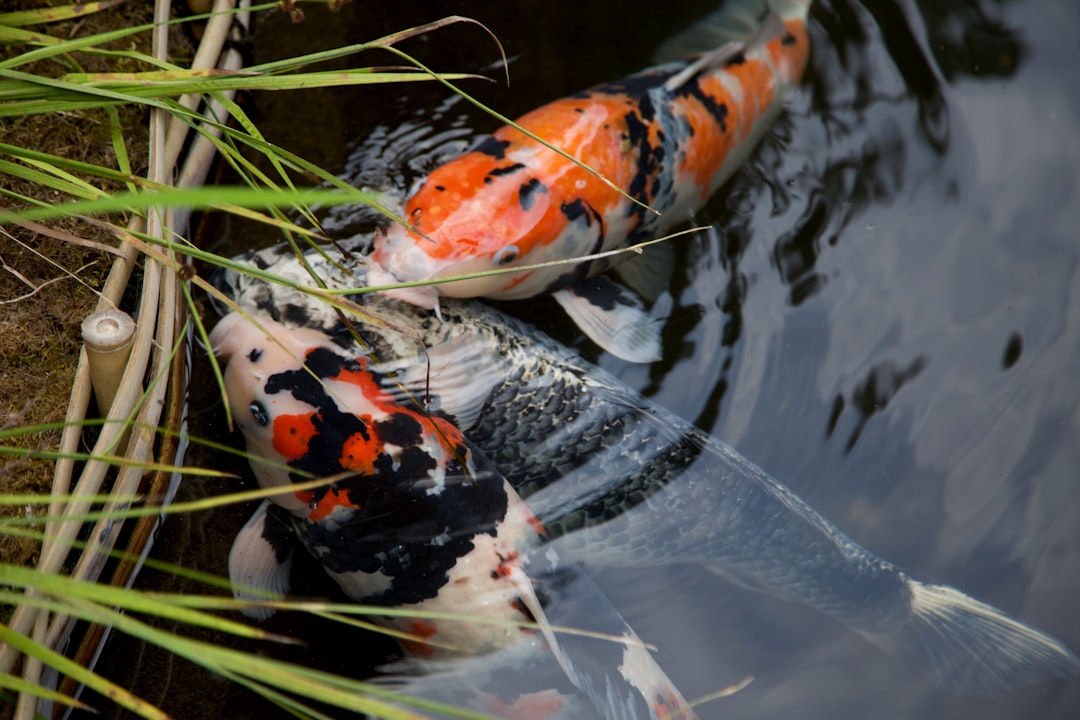
Koi shred water lettuce root masses, which actually stimulates fresh root growth. Larger koi rip whole rosettes apart and may stunt the colony — protect young plants behind a floating PVC ring until rosettes mature. Goldfish are gentler. The dense root masses also offer fry shelter during spawning, which makes water lettuce a useful nursery plant.
Common Problems
Yellowing leaves usually trace to iron or manganese deficiency in low-bioload ponds — counter-intuitive but real. Liquid pond fertiliser at half the bottle rate restores leaf colour. Spider mites occasionally infest aerial leaves; a 30-minute submerged dunk drowns them without harming the plant. Fungal leaf spot rarely affects water lettuce in well-aerated ponds.
Pairing With Other Plants
Water lettuce competes with submerged oxygenators for the same dissolved nutrients, so coverage limits matter. Pair with pond equipment like a UV clarifier to suppress green-water algae which would otherwise compete for light. Lily pad coverage and water lettuce coverage should be balanced — never both at maximum or your pond shifts to anaerobic conditions.
Sourcing in Singapore
Water lettuce is widely available and inexpensive once you find a supplier. Carousell aquatic-plant sellers list 5-10 rosettes for SGD 8-15. Far East Flora and aquatic specialty shops carry potted plants at SGD 5-12 each. World Farm occasionally bulk-stocks them at SGD 4-8 per rosette during nursery deliveries. Inspect for tight rosettes with white feathery roots — avoid plants showing brown root mats or yellow leaves.
Related Reading



