
DIY Vinegar Eel Culture Fry Food Guide: Bottle Method 2-Week Cycle
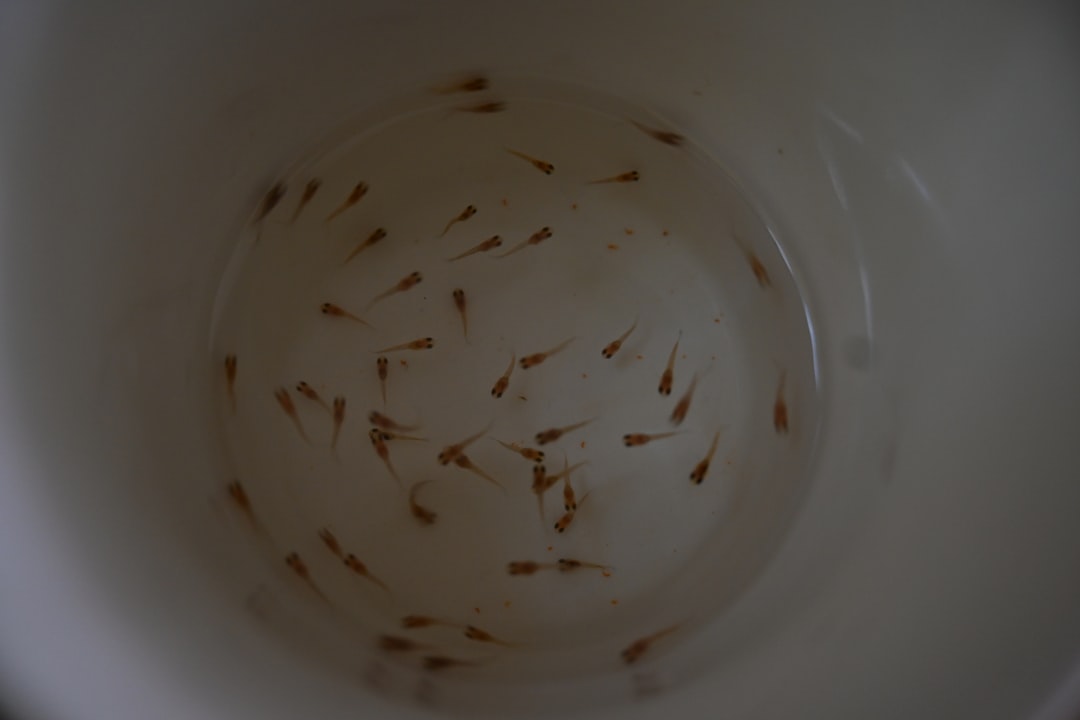
Free-swimming first foods are the bottleneck for breeding most egg-scattering fish — newly hatched fry can refuse anything larger than 100 microns, and dead-foods sink before they reach swimming-up babies. Vinegar eels (Turbatrix aceti) are a 50-micron live nematode that swims continuously in the water column, surviving for hours after introduction, and they culture indefinitely on a SGD 5 starter and a bottle of apple cider vinegar. This diy vinegar eel culture guide from Gensou Aquascaping at 5 Everton Park covers the bottle setup, the two-week first harvest timeline, and the rotation that keeps a continuous month-on-month supply for your fry tanks. The diy vinegar eel culture outlasts microworm cultures and tolerates neglect that would crash brine shrimp hatcheries.
Materials and Tools
You need a 1-1.5L glass or PET bottle (a recycled apple juice bottle works) at SGD 0, 500ml of unfiltered apple cider vinegar with mother culture at SGD 8, 500ml of dechlorinated water, two tablespoons of sugar at SGD 0.10, half an apple sliced at SGD 0.50, a coffee filter at SGD 0.20, a starter culture from Carousell at SGD 5-10, and a fine-mesh phytoplankton net or harvesting filter at SGD 4. Total under SGD 25 for an indefinite supply.
Why Vinegar Eels Beat Other First Foods
At 50 microns wide and 1-2mm long, vinegar eels match the gape size of newly-hatched bettas, gouramis, killifish, and most tetras. They live for several hours in fresh water (long enough for fry to find and eat them), they do not foul tanks the way overdosed dry foods do, and the culture self-perpetuates for months on minimal inputs. Microworms outcompete them in nutrition but die fast in tank water; brine shrimp need daily hatching effort.
Step One: Mix the Culture Medium
Combine 500ml apple cider vinegar with 500ml dechlorinated water in the bottle. Add two tablespoons of sugar and stir until dissolved. Drop in two or three apple slices — these become the carbon and bacterial food source that the eels feed on indirectly. The medium should taste sharply acidic but be diluted enough not to flash-pickle the apple instantly.
Step Two: Inoculate With Starter Culture
Pour the entire starter culture (10-50ml of liquid teeming with eels, sourced from Carousell breeders) into the bottle. Cap loosely with a coffee filter held by a rubber band — eels need oxygen exchange but you must keep fruit flies out. Vinegar attracts Drosophila aggressively in Singapore tropical conditions; an open container will be swarmed within hours.
Step Three: Site at Stable Temperature
Vinegar eels reproduce fastest at 24-28°C — Singapore room temperature is ideal year-round without heating. Place the bottle on a kitchen shelf away from direct sunlight. Avoid air-conditioned bedrooms below 22°C; cold cultures stall and take six weeks rather than two to populate.
Step Four: First Harvest at Two Weeks
By day 14, the bottle should show a faint cloudiness with eels visible as tiny wriggling threads if you hold it up to a light. The first harvest yields enough for one or two small fry feeds. Pour 100-200ml of culture liquid through a fine net positioned over a clean container to catch eels — the vinegar passes through, eels stay on the mesh. Rinse eels briefly in dechlorinated water before adding to fry tanks.
Step Five: Continuous Production
Every two weeks, top up the bottle with 100ml fresh vinegar-water 1:1 mix and a new apple slice. Remove old apple residues that have completely dissolved. Mark refresh dates on the bottle. A single bottle produces continuously for 6-12 months before the medium needs full replacement.
Step Six: Run Parallel Bottles
Once your first culture is established, split off 50ml as starter for a second bottle. Run two or three bottles staggered by a week so a single failure doesn’t leave you without live food during a critical fry-growing window. Pair bottles with quality aquarium fish food staples for older fry transitioning off live foods.
Feeding Fry With Vinegar Eels
Drip 5-10ml of harvested eels into a fry tank twice daily. Bettas and gouramis hunt them aggressively from day three after hatching. Killifish fry sometimes refuse eels in favour of microworms — keep both options available. Watch fry bellies turn opaque pink within minutes of feeding; that’s the visual confirmation of successful feeding.
Common Failure Modes
Mould blooms (white fuzzy patches) on apple slices indicate the vinegar concentration dropped too low — top up with stronger 50/50 mix. Fruit fly larvae in the culture means a filter cap failure — restart cleanly. A foul smell beyond standard vinegar acidity suggests bacterial contamination from non-pasteurised water; restart with a clean bottle.
Long-Term Storage of Starter
Save 50ml of pure starter in a small jar in the fridge as a backup — eels survive months at 4-8°C and reactivate within 48 hours when warmed and fed. Pair with a bottle of API Stress Coat for buffering fry tanks during heavy feeding periods.
Related Reading



