
Aquarium Anxiety Relaxation Deep Guide: Heart Rate and Cortisol
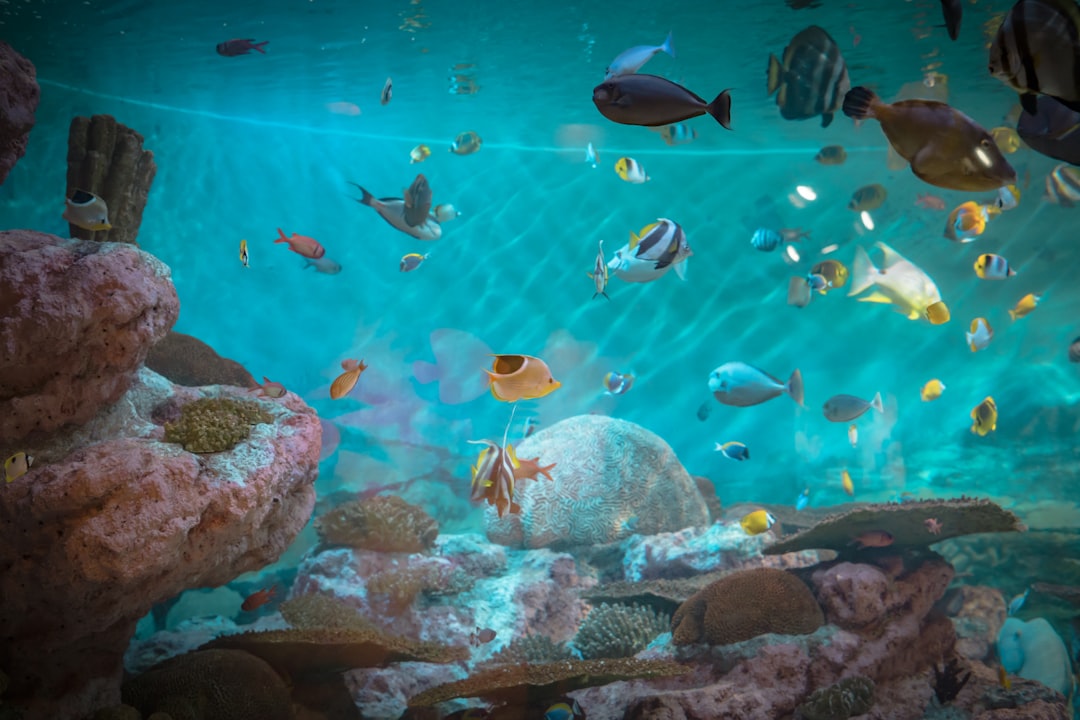
The Plymouth and Exeter aquarium-viewing studies of the 2010s recorded measurable physiological calming effects — heart rate drops of 8-12 bpm and systolic blood pressure reductions of 5-10 mmHg during sustained tank viewing. Aquarium anxiety relaxation as a self-care practice rests on this evidence base, though the effect sizes are modest and the practice is supplemental, not a clinical intervention. This guide from Gensou Aquascaping at 5 Everton Park reviews the specific physiological data, sets out a practice routine that maximises the observed benefit, and frames the use within Singapore’s mental health support context.
The Plymouth Study Numbers
Cracknell, White, Pahl and Depledge’s 2015 work at the National Marine Aquarium in Plymouth measured 112 participants viewing tanks with three stocking densities. The most heavily stocked tanks produced an average heart rate reduction of 8.6 bpm and a systolic blood pressure drop of 5.4 mmHg over a 10-minute viewing window. Self-reported mood improved on multiple scales. The effect was strongest at the highest fish density — though density and visual complexity may co-vary in producing the calm.
The Exeter Follow-Up
The University of Exeter group’s 2017 work extended the methodology to home and garden water features. Participants showed similar physiological calming with smaller domestic tanks at home. Effect sizes were lower than at the public-aquarium scale but still measurable — typically 4-7 bpm heart rate drop and a 3-5 mmHg blood pressure reduction during 10-minute viewing periods. This is the more relevant data for a household setup.
Cortisol Findings
Salivary cortisol research in this domain is thinner but consistent in direction. Several small studies found 10-20 per cent reductions in measured cortisol following 20-minute aquarium-viewing sessions versus controls. Confidence intervals are wide; treat the cortisol numbers as suggestive rather than conclusive. Heart rate and blood pressure have stronger replication.
What the Data Implies for Practice
Effect sizes accumulate with regular use. A daily 10-minute viewing session translates into a measurable resting-cardiovascular benefit over weeks for a person already at low-to-mid hypertension risk. For acute anxiety, the immediate window — the ten minutes during and immediately after viewing — appears to be where subjective calm peaks. Use it as a reset tool during high-stress days, not just a passive ornament.
Tank Density and Composition
Replicate the Plymouth high-density tank conditions at household scale. A heavily planted, well-stocked 90-litre tank with twenty-plus fish in mixed schools delivers the visual richness the studies linked to peak effect. Sparse goldfish bowls perform poorly. The aquatic plants range covers the species that build planted density. Stock with peaceful schoolers — harlequin rasboras, ember tetras, neon tetras, glowlight tetras, sterbai corydoras.
Viewing Posture and Distance
Sit at viewing distance, not standing over the tank. Shoulders back, breathing relaxed. Eye level with the tank’s centre or slightly above. Phones away. The studies measured participants seated quietly — replicate that condition. Tank should be 60-90 cm from the viewer for the visual field to fill comfortably without forcing close focus.
Breathing Pacing With the Fish
Pair the viewing with slow paced breathing — the practice that physiologically slows heart rate independently. Inhale four counts, exhale six. Many users find the rhythm of fish swimming naturally entrains the breath. The combined intervention produces a stronger heart-rate drop than either alone. Ten minutes of this practice equates to a competent breathing exercise enriched with visual focus.
Equipment for a Quiet Tank
Anxiety relief evaporates if the equipment hums or rattles. Choose a quiet sponge filter or a baffled hang-on, a silent DC return pump if running a sump, and skip air pumps unless absolutely needed. The filtration and aeration range includes low-noise units. A heater is rarely necessary in Singapore but the controller for it should be silent if you use one.
The Supplemental Caveat
An aquarium is not an anxiety treatment. The effect sizes in the literature are real but modest, comparable to brisk walking or a meditation app. For diagnosed anxiety disorders, see a GP for a referral to IMH community wellness services or a private psychologist. The Samaritans of Singapore on 1767 cover acute support. The tank fits alongside CBT, medication and other clinical pathways, not in place of them.
Related Reading



