
Aquarium Eutrophication Explained Glossary Guide: Nutrient Overload
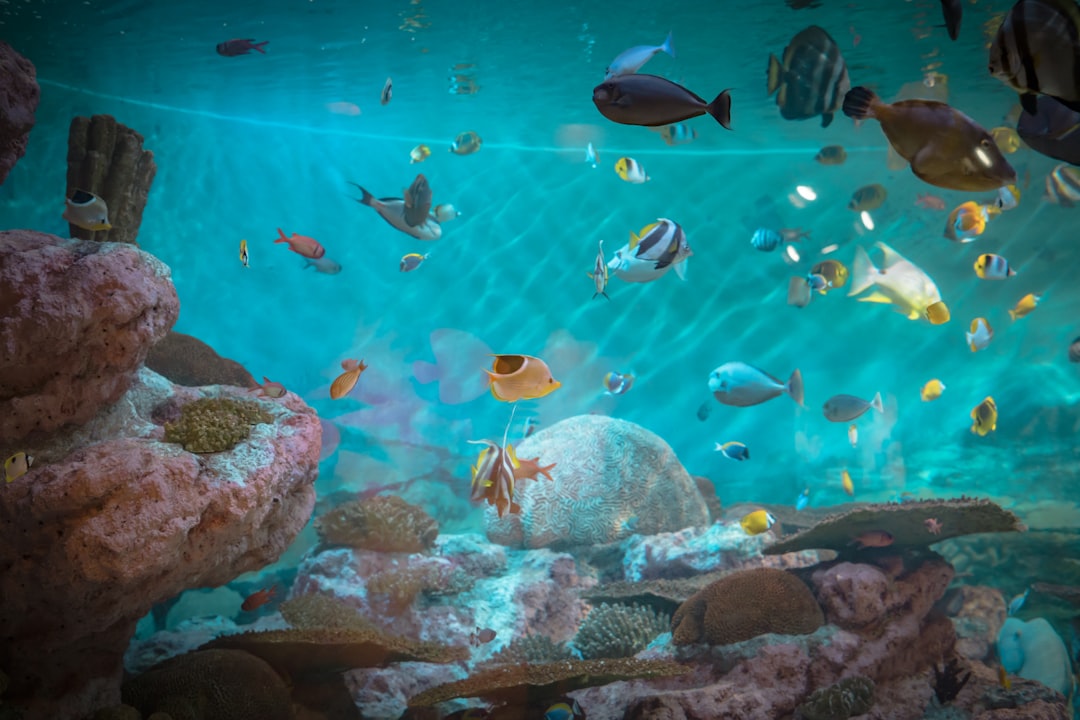
Aquarium eutrophication explained applies the limnology term used for fertiliser-poisoned lakes to the closed micro-ecosystem of a fish tank. It describes hyper-fertile water where excess nitrogen and phosphorus drive runaway algal and bacterial growth, which in turn crashes dissolved oxygen and triggers fish kills. The same chemistry that ruins natural lakes plays out faster in a 60 L aquarium because the dilution buffer simply does not exist. Gensou Aquascaping at 5 Everton Park covers the warning signs, the numbers, and the recovery paths used by experienced hobbyists in Singapore’s compact tanks.
What Eutrophication Means
Eutrophication describes the progressive enrichment of water with nutrients — primarily nitrate and phosphate — that fuel primary producer growth beyond what the system can sustain. Limnologists classify lakes as oligotrophic (nutrient-poor, clear water), mesotrophic (intermediate), or eutrophic (nutrient-rich, murky). In aquaria, the same gradient runs from a sparkling reef on ULNS protocols through a balanced planted tank to an algae-choked, overfed community tank.
How It Works in an Aquarium
Overfeeding and overstocking deliver more ammonia than nitrifiers can convert immediately. The excess fuels heterotrophic bacterial blooms (cloudy water), then nitrate and phosphate accumulate. Algae spores germinate, photosynthesise, then die back at night, consuming oxygen as they decompose. By dawn, dissolved oxygen falls below the critical 4 mg/L threshold for many fish, triggering surface gasping and sometimes whole-tank wipeouts. The cycle compounds rapidly in warm tropical water.
Typical Values and Ranges
Healthy planted tanks: NO3 10-25 ppm, PO4 0.5-2 ppm. Reef ULNS: NO3 0.5-5 ppm, PO4 0.02-0.1 ppm. Eutrophic warning zone: NO3 above 50 ppm and PO4 above 3 ppm sustained. Outright eutrophication: NO3 100+ ppm with green or brown water, oxygen below 5 mg/L overnight, pH swinging more than 0.8 units between night and day.
How to Measure
Track nitrate, phosphate and dissolved oxygen weekly. API Nitrate (SGD 18) and API Phosphate (SGD 18) cover entry-level needs. Salifert NO3 Profi and PO4 Profi (SGD 28-34 each) deliver finer resolution. Hanna HI-774 Phosphate Ultra-Low Range (around SGD 110) is reef-grade. For oxygen, Salifert Oxygen Profi or a digital probe like Apera DO700 give true mg/L readings essential for diagnosing nighttime crashes.
Common Imbalance Symptoms
Sudden green water (free-floating Chlorella bloom) is the classic eutrophication signal. Hair algae carpeting wood and stones, brown diatom dust on every surface, and bacterial mulm exploding overnight all point to nutrient overload. Fish gulp at the surface at dawn — oxygen is lowest just before lights come on. Snails and shrimp die first because their gill surface is most sensitive to low O2.
How to Adjust
Cut feeding by 50 per cent for two weeks. Increase water changes to 30 per cent twice weekly. Add fast-growing stem plants — Hygrophila polysperma, Rotala rotundifolia, hornwort — to soak up macros. For reef tanks, dose Red Sea NO3-PO4-X (SGD 38-55) or Tropic Marin Elimi-NP. Phosphate-binding GFO media in a reactor pulls PO4 down rapidly. Browse the aquarium filtration range for reactor options and the aquarium fertilisers shelf if you need to rebalance dosing post-recovery.
Singapore-Specific Note
Tropical 28-30°C ambient water holds less oxygen at saturation than cool-water temperate tanks, so a Singapore HDB nano hits the eutrophication threshold faster. PUB tap arrives low in nitrate and phosphate, which means water changes effectively dilute the problem. Avoid auto-feeders set above 1 daily portion in unattended tanks during travel — the most common eutrophication trigger here is a holiday with the feeder cranked up “just in case”.
Connected Concepts
Eutrophication ties directly to nitrification, denitrification, oxygen saturation and the Q10 temperature rule. Warmer water doubles bacterial metabolism, which both speeds up nitrification (good) and accelerates oxygen depletion (bad). Read the connected entries to see how the chemistry chains together.
Related Reading



