




Amano Shrimp
Caridina multidentata · Peaceful · Beginner care
You save
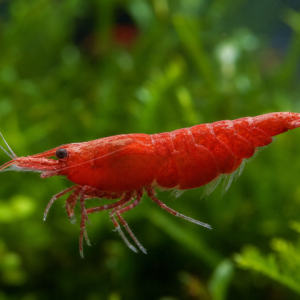
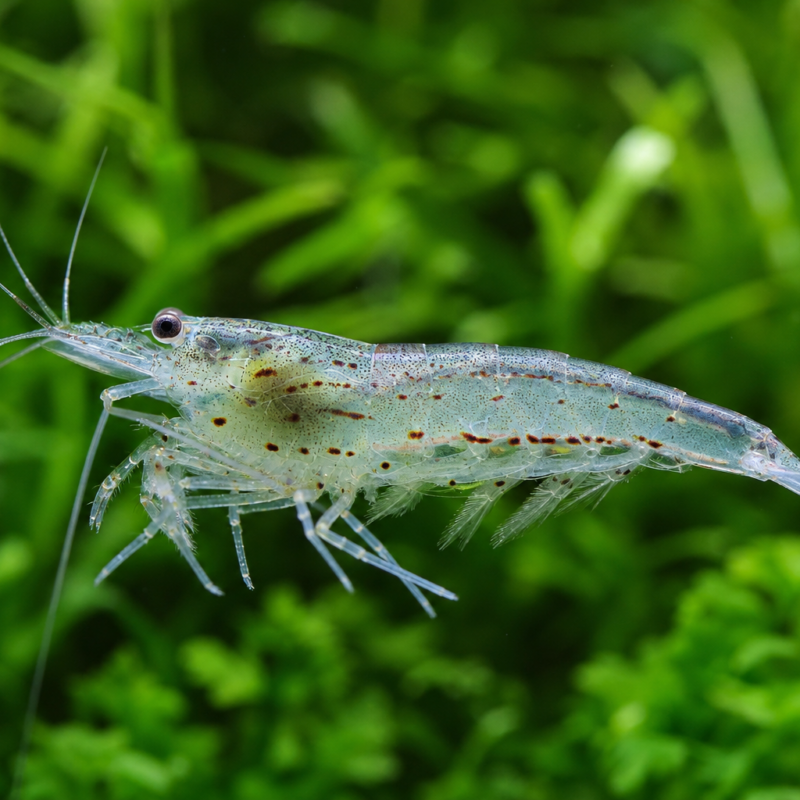
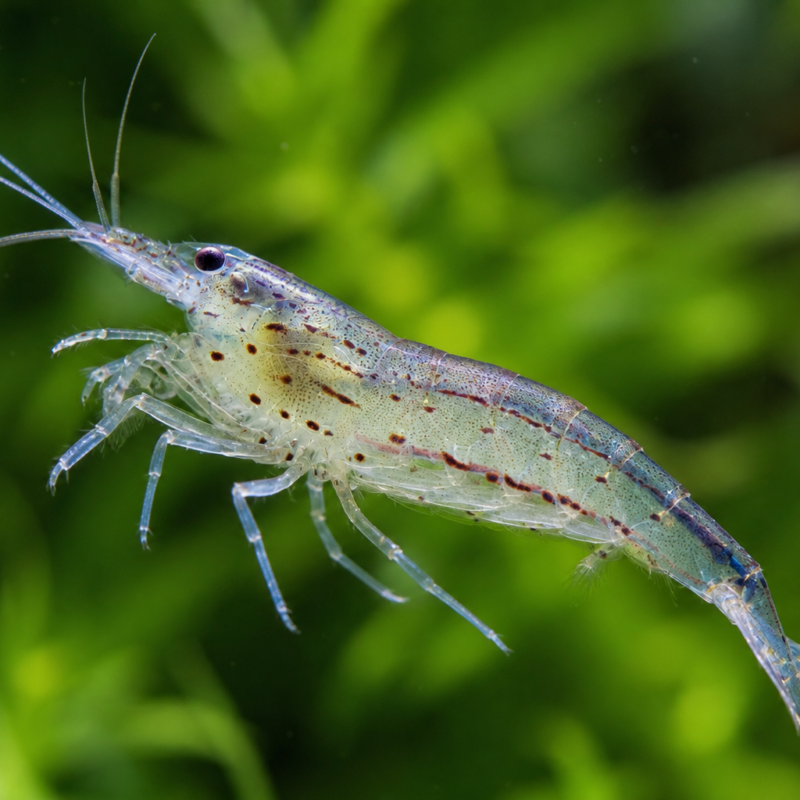
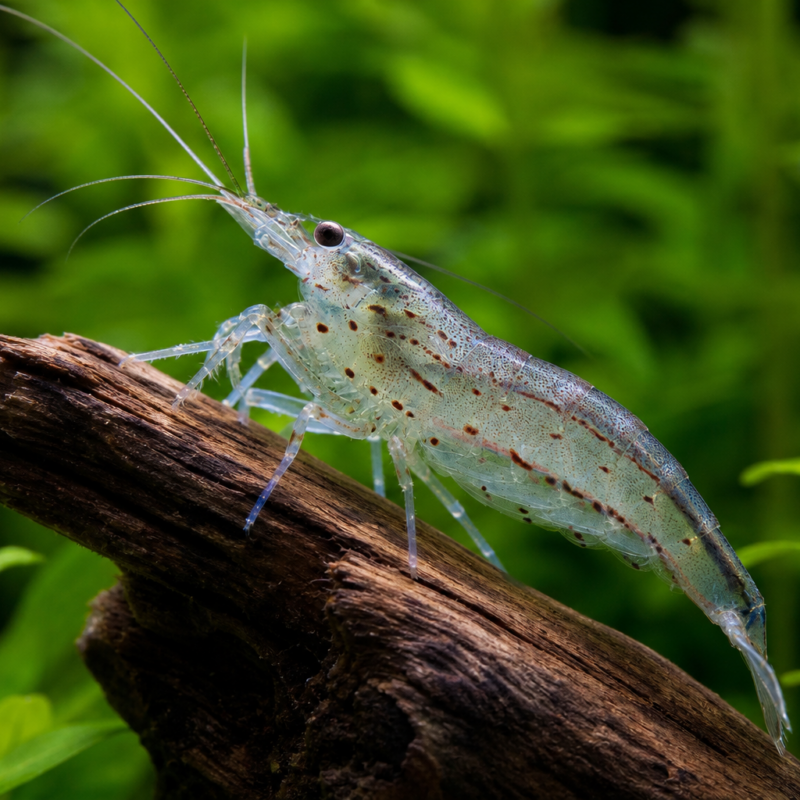
The hobby's most famous algae eater — a hardy, translucent-grey shrimp made popular by Takashi Amano. Tireless against soft algae and leftovers, and completely safe with plants, shrimp and peaceful fish.
At a glance
Species profile Caridina multidentata
Origin
Japan and Taiwan (freshwater streams; larvae need brackish)
Family
Atyidae (dwarf shrimp family)
Adult size
Up to 5 cm (2 in)
Diet
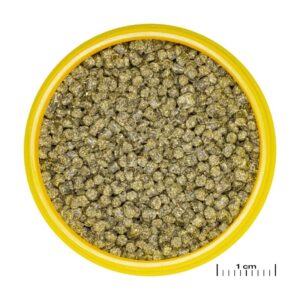
Voracious algae eater; also biofilm, leftovers and sinking foods (Omnivore)
Temperament
Peaceful
Swimming level
Bottom
Minimum group
3+ (shoaling)
Lifespan
2-3 years
Minimum tank
40 L (10 gal)
Water type
Freshwater
Size to scale
5 cm adult length, shown to scale against an iPhone 15 Pro (14.66 cm).
Natural range
Where it comes from — East Asia
Japan and Taiwan (freshwater streams; larvae need brackish)
Water
Singapore tap water vs its needs
Hardness: Soft to medium (6-15 dGH).
In the aquarium
How it lives in the tank
Swims in the bottom of the tank
Keep in a group of 3+
Sensitivity Index — Hardy
Hardy and beginner-friendly; keep up routine water changes and it will thrive.
Our own read on how forgiving this species is of water changes — not a formal standard.
Keeping & care
What this fish needs
Family
About the Atyidae family dwarf shrimp family
Atyidae is a large family of small freshwater "true" shrimp found across tropical and temperate waters worldwide, and it contains most of the shrimp kept in planted aquaria — notably the genera Neocaridina (e.g. Cherry Shrimp) and Caridina (e.g. Amano, Crystal/Bee, Tiger Shrimp). They are peaceful, sociable detritivores and algae/biofilm grazers, most equipped with fine feeding "fans" or brushes on their front legs, and are prized as clean-up crew and colourful nano livestock. Care is generally undemanding for the hardy Neocaridina, while many Caridina need stable, softer, cooler water and are more sensitive.
Excellent for planted community tanks as gentle algae and biofilm grazers — keep stable, well-cycled water, ensure copper-free medication, and provide plenty of plants, moss or cover; avoid housing them with larger fish that will treat small shrimp as food.
Breeding
Egg-carrying (berried female); larvae hatch as either mini-shrimp or planktonic zoea depending on genusFemales carry fertilised eggs under the tail ("berried") until they hatch, and there is no parental care afterward. Land-locked genera such as Neocaridina and the popular Caridina "bee/tiger" lines have abbreviated development: eggs hatch directly into tiny fully-formed shrimp in freshwater, so they breed readily in a stable, well-aged planted tank with minimal intervention. Other Caridina (notably the Amano Shrimp, C. multidentata) release planktonic larvae that require brackish or marine water to survive, making them difficult to breed in a standard freshwater aquarium without a dedicated saltwater rearing setup.
Feeding
Recommended food
Compatibility
Best tankmates

Community