
Blue-Eye Rainbowfish Guide: Pseudomugil Species for Nano Tanks
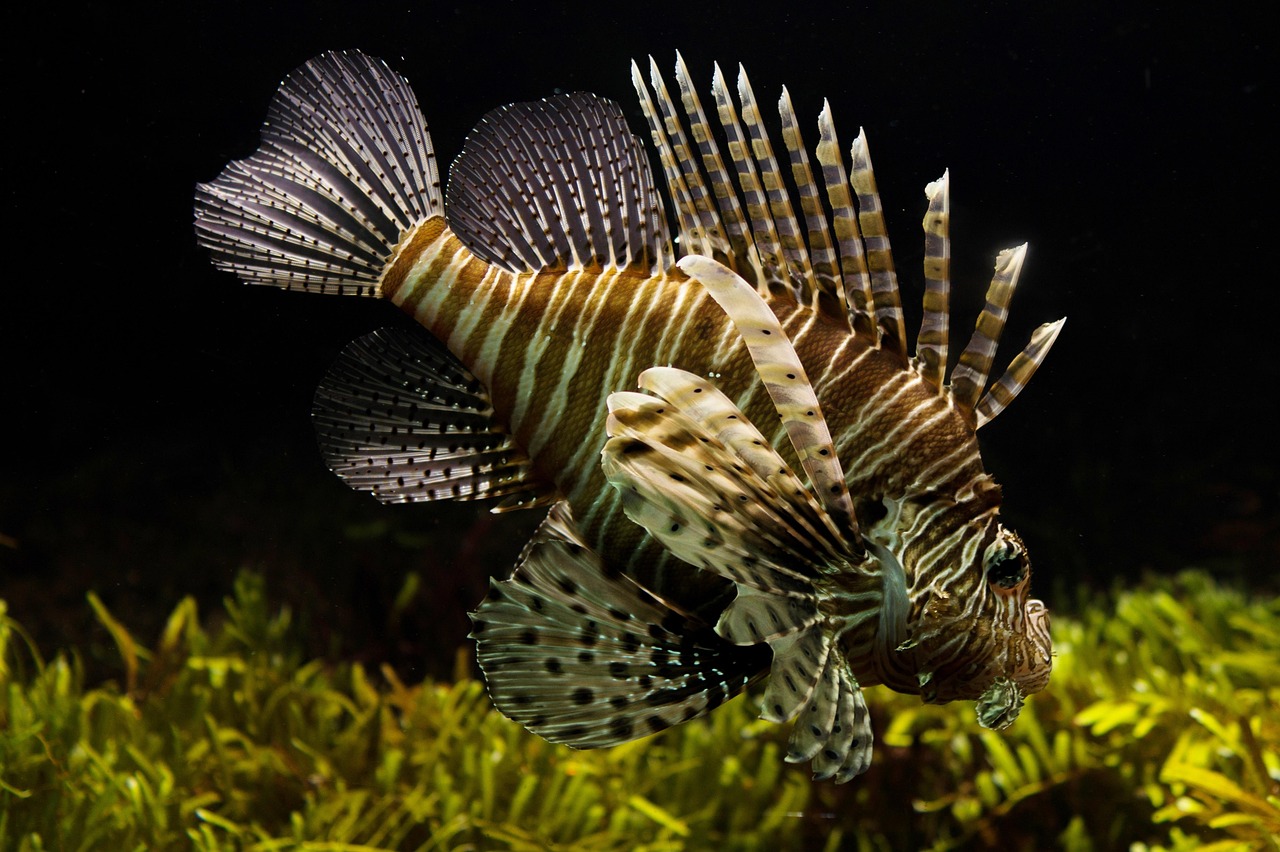
Blue-eye rainbowfish are among the most captivating nano fish available. Members of the genus Pseudomugil, these diminutive rainbowfish feature striking blue eyes, elaborate finnage and fascinating display behaviour that brings constant movement and drama to small aquariums. This blue eye rainbowfish care guide covers the most popular species and how to keep them successfully in Singapore.
About Pseudomugil Rainbowfish
Pseudomugil is a genus of small rainbowfish found primarily in Australia and New Guinea, with some species extending into nearby Indonesian islands. They belong to the family Pseudomugilidae, which was split from the larger Melanotaeniidae (true rainbowfish) family. At 3-5 cm in length, they bridge the gap between micro fish and standard community species, making them versatile additions to both nano and medium-sized planted tanks.
What sets Pseudomugil apart from other small fish is the combination of their electric blue eyes, elaborate fin structure and their near-constant display behaviour. Males spend much of their time flicking their fins at each other and at females in rapid, shimmering displays that are endlessly entertaining to watch.
Popular Species
Three Pseudomugil species are commonly available to Singapore hobbyists:
Forktail Blue-Eye (Pseudomugil furcatus)
Pseudomugil furcatus is the most popular and arguably the hardiest species in the genus. Males feature bright yellow fins with black edges and the characteristic luminous blue eyes. The caudal fin is forked, giving the species its common name. Adults reach approximately 5 cm, making them the largest commonly kept Pseudomugil species.
Native to streams in Papua New Guinea, they prefer slightly cooler, well-oxygenated water. Of the three species covered here, furcatus is the least tolerant of very warm water, preferring temperatures below 26 C. This makes Singapore keeping somewhat challenging without temperature management.
Red Neon Blue-Eye (Pseudomugil luminatus)
Pseudomugil luminatus was only formally described in 2016, though it had been in the hobby for some years before that under various trade names. Males display vivid orange-red colouration on the body and fins, combined with electric blue eyes. They reach approximately 3-4 cm.
This species originates from lowland swamp habitats in Papua New Guinea and is notably more tolerant of warm water than P. furcatus, making it a better choice for Singapore aquarists. It handles temperatures up to 30 C more comfortably.
Spotted Blue-Eye (Pseudomugil gertrudae)
Pseudomugil gertrudae is a widespread species found across northern Australia and southern New Guinea. Males feature elongated dorsal and anal fins with intricate spotted patterning and, naturally, striking blue eyes. Adults reach 3-4 cm.
This species is more tolerant of warmer conditions than furcatus and adapts well to slightly acidic, tannin-stained water. It is a good option for Singapore aquarists interested in blackwater-style nano setups.
| Feature | P. furcatus | P. luminatus | P. gertrudae |
|---|---|---|---|
| Common name | Forktail blue-eye | Red neon blue-eye | Spotted blue-eye |
| Size | 4-5 cm | 3-4 cm | 3-4 cm |
| Male colour | Yellow fins, blue eyes | Orange-red body, blue eyes | Spotted fins, blue eyes |
| Temperature range | 22-26 C | 24-30 C | 24-28 C |
| SG suitability | Moderate (needs cooling) | Good | Good |
| pH preference | 6.5-7.5 | 6.0-7.5 | 5.5-7.0 |
| Availability in SG | Good | Moderate | Moderate |
Tank Requirements
Blue-eye rainbowfish need slightly more room than true nano fish due to their activity levels and display behaviour:
| Requirement | Recommendation |
|---|---|
| Minimum tank size | 45 litres |
| Ideal tank size | 60-80 litres |
| School size | 8-10 minimum (more males = more display) |
| Tank shape | Longer tanks preferred |
| Filtration | Moderate; some flow appreciated |
| Lighting | Moderate to bright (showcases blue eyes) |
| Substrate | Dark preferred for colour contrast |
Keep blue-eye rainbowfish in groups with a mix of males and females. More males means more display behaviour, which is the primary appeal of these fish. A ratio of roughly equal males to females works well, as the display behaviour is directed at both rivals and potential mates.
Planted tanks with open swimming areas suit them perfectly. They occupy the upper and middle water levels and appreciate some gentle current from the filter output. Plants like Vallisneria, Rotala and Java fern provide cover without restricting swimming space. Floating plants add security.
Water Parameters
Water parameter preferences vary somewhat between species, but general guidelines apply:
| Parameter | General Range | SG Tap Water |
|---|---|---|
| Temperature | 24-28 C (species dependent) | 28-32 C (ambient) |
| pH | 6.0-7.5 | 6.5-7.5 |
| GH | 3-12 dGH | 1-4 dGH |
| KH | 2-6 dKH | 1-3 dKH |
Singapore’s pH and hardness suit most Pseudomugil species well. Temperature is the variable factor. P. luminatus and P. gertrudae handle Singapore’s ambient temperatures adequately, while P. furcatus benefits from some form of cooling, whether an air-conditioned room or a clip-on fan for evaporative cooling.
Good oxygenation is important for all species, particularly in warm water. Ensure adequate surface agitation and avoid overstocking. Weekly water changes of 25-30% with chloramine-treated tap water keep conditions stable.
Feeding
Blue-eye rainbowfish are omnivores that feed readily on a variety of foods:
- Staple: high-quality micro pellets or crushed flake food
- Frozen foods: baby brine shrimp, daphnia, cyclops, mysis shrimp
- Live foods: baby brine shrimp, daphnia, mosquito larvae, micro worms
- Supplementary: spirulina-based micro foods
They are surface and mid-water feeders with small mouths. Ensure food is appropriately sized, particularly for the smaller species. Feed two to three times daily in small amounts. A varied diet promotes the best fin development and colour intensity, which is important for a species kept primarily for its visual display.
Live and frozen foods are particularly effective for conditioning breeding groups and encouraging the frequent display behaviour that makes these fish so appealing.
Display Behaviour
The display behaviour of male Pseudomugil is one of the main reasons to keep these fish. Males perform a characteristic “flicking” display, rapidly erecting and vibrating their fins at rivals and females. The display is brief but intense, with the male positioning himself broadside to his audience and rapidly quivering all fins simultaneously.
Key aspects of display behaviour:
- Males display throughout the day, with peak activity typically in the morning
- The display involves rapid erection of all fins combined with body quivering
- Displays are directed at rival males (dominance) and females (courtship)
- Subordinate males display less frequently and with less intensity
- Good lighting enhances display frequency, as the visual impact depends on light
- Display behaviour is most frequent when fish are well-fed and in good condition
This behaviour occurs constantly in a well-maintained group, making blue-eye rainbowfish among the most engaging small fish to observe. A tank with multiple males produces an almost continuous show of flashing fins and shimmering colour.
Tank Mates
Blue-eye rainbowfish are peaceful and coexist well with other calm, similarly sized species:
- Small tetras (ember tetras, black neon tetras, green neon tetras)
- Small rasboras (harlequin, lambchop)
- Corydoras catfish (pygmy or standard species)
- Otocinclus catfish
- Cherry shrimp and Amano shrimp
- Small peaceful gouramis (sparkling gourami, honey gourami)
- Other Pseudomugil species (can be mixed, though hybridisation is possible)
Avoid large, aggressive or very fast-feeding species that may intimidate or outcompete blue-eyes at feeding time. Fin-nipping species are also problematic, as the elaborate male fins are easy targets.
Breeding
Blue-eye rainbowfish are prolific and relatively easy to breed, making them excellent subjects for hobbyists interested in fish reproduction:
- Spawning occurs almost daily in well-conditioned groups
- Eggs are deposited on spawning mops, fine-leaved plants or moss
- Each female produces a small number of eggs per day (2-10 depending on species)
- Eggs are adhesive with fine filaments that attach to surfaces
- Incubation takes 10-21 days depending on species and temperature
- Fry are relatively large and can accept baby brine shrimp as first food
The daily spawning habit makes breeding simple to manage. Place a spawning mop in the tank and remove it every few days to a separate hatching container with identical water parameters. Replace with a fresh mop. This allows continuous egg collection without disturbing the adults.
Fry are larger than those of most nano fish and can eat baby brine shrimp from day one, making rearing straightforward. Growth is steady, with fry reaching displayable size within three to four months.
Singapore-Specific Considerations
For Singapore hobbyists choosing a Pseudomugil species, temperature tolerance is the primary consideration:
- Best choice for unmodified Singapore conditions: P. luminatus (tolerates up to 30 C comfortably)
- Good choice with minimal cooling: P. gertrudae (handles 28 C well, benefits from air-conditioned room)
- Requires cooling: P. furcatus (needs consistent temperatures below 26 C for long-term health)
If you have an air-conditioned room that stays at 24-25 C, all three species are viable options. For tanks in naturally ventilated HDB or condo spaces, P. luminatus is the most reliable choice.
Singapore’s soft, slightly acidic tap water suits all three species. Treat with a chloramine-neutralising conditioner as standard. Good oxygenation through surface agitation is particularly important in warmer setups.
Frequently Asked Questions
Which blue-eye rainbowfish is best for Singapore?
Pseudomugil luminatus (red neon blue-eye) is the most suitable for Singapore conditions without a chiller. It tolerates temperatures up to 30 C and thrives in soft, slightly acidic water. P. gertrudae is a close second. Avoid P. furcatus unless you can maintain water temperatures consistently below 26 C.
Can I keep different Pseudomugil species together?
You can, but be aware that closely related Pseudomugil species may hybridise in captivity. If you plan to breed and distribute fry, keep species separate to maintain genetic purity. For display-only purposes, mixing species creates an interesting visual effect with different fin shapes and colours.
Why are my blue-eye rainbowfish not displaying?
Common causes include insufficient group size (keep at least eight), low light levels (good lighting stimulates display), poor diet (live and frozen foods encourage breeding behaviour), stress from aggressive tank mates, poor water quality, or insufficient male competition (more males means more display). Temperature stress from water that is too warm can also suppress display behaviour.
How long do blue-eye rainbowfish live?
Most Pseudomugil species have a lifespan of two to three years, which is relatively short for aquarium fish. This shorter lifespan makes breeding important for maintaining your group over time. Their prolific daily spawning habit and straightforward fry rearing make this manageable for committed hobbyists.
Add Shimmer and Display to Your Aquarium
Blue-eye rainbowfish offer a unique combination of beauty, behaviour and personality that few other nano fish can match. Whether you are setting up a dedicated Pseudomugil display or adding them to a planted community, the result is a tank that is never boring. Contact our team at Gensou or visit us at 5 Everton Park for advice on species selection and tank setup. We also offer custom aquarium design and ongoing maintenance services for hobbyists across Singapore.
Related Reading
- Blue-Eye Gertrudae Rainbowfish Care Guide: Spotted Blue-Eye Nano Fish
- Forktail Blue Eye Rainbowfish Care Guide: Pseudomugil Furcatus
- Forktail Blue-Eye Rainbowfish Care Guide: Pseudomugil Furcatus
- Spotted Blue Eye Rainbowfish Care Guide: Pseudomugil gertrudae
- Blue Acara Cichlid Care Guide: The Overlooked Gem



