
Halichoeres Chrysus Canary Wrasse Care Guide
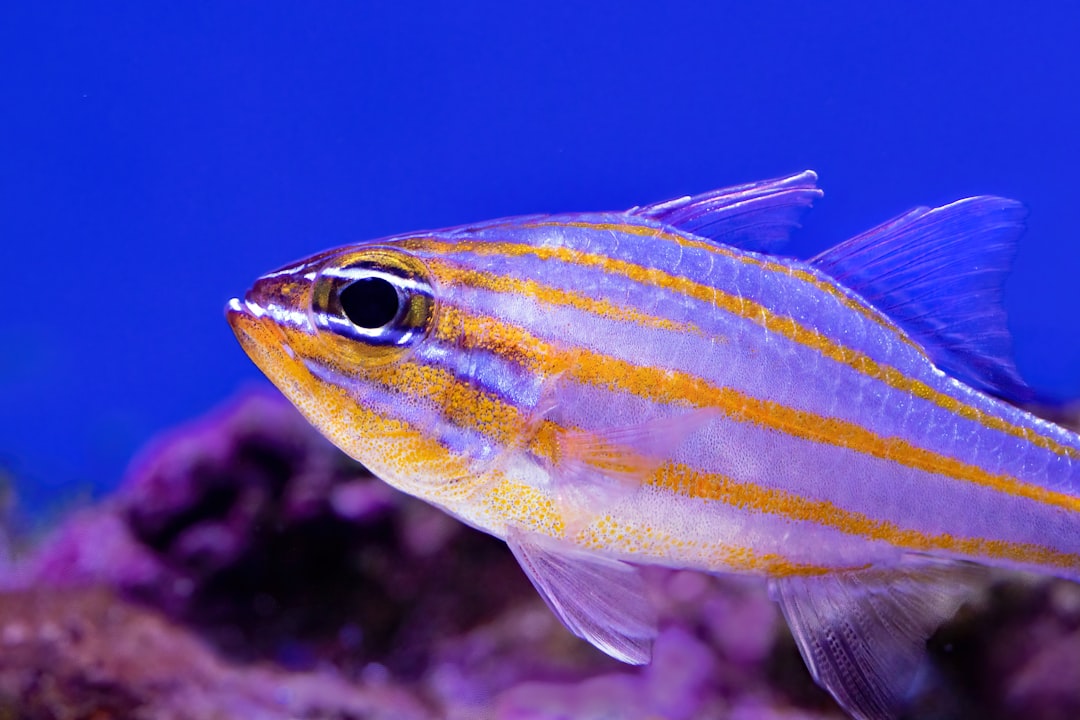
Drop a canary wrasse into a mature reef and the tank gains both a sunshine-yellow patrolman and a working pest control system that hunts pyramidellid snails, flatworms and bristleworms with surgical patience. Responsible halichoeres chrysus canary wrasse care hinges on a deep sand bed for nightly burrowing, generous live rock and matching the diet to its high metabolism. This guide from Gensou Aquascaping at 5 Everton Park covers tank set-up, feeding, sourcing in Singapore and the practical tank-mate combinations that keep the canary active rather than skittish. Chiller and substrate notes are tuned to HDB-scale reef tanks.
Species Background
Halichoeres chrysus, also sold as yellow coris or golden wrasse, inhabits rubble zones and sand patches across the Indo-Pacific, typically 3-30 metres deep. Adults reach 12 cm and display uniform canary yellow with two distinctive black ocelli on the dorsal fin for males. The species is a protogynous hermaphrodite but sex change is rarely observed in aquaria. Personality is calm to assertive, sitting between the hyperactive six-line wrasse and the mellow Halichoeres melanurus.
Tank Size and Essential Aquascape
A single canary wrasse settles well into a 200 litre reef with plenty of rockwork and open swimming lanes. They are active swimmers that patrol the whole tank, so cramped dimensions under 100 cm length cause stress and reduced colour. Most critically, they require a sand bed of at least 4 cm depth where they burrow at night and when startled. A bare-bottom tank or thin sand layer leads to chronic stress and eventual death. Combine rockwork with open sand foreground as shown in our aquascape sps dominant reef acropora piece for best patrol behaviour.
Substrate and Sand Depth Specifics
Use fine to medium aragonite sand rather than coarse crushed coral, which cuts the wrasse’s flanks during burrowing. Aim for 4-7 cm depth in at least half of the tank footprint. Avoid deep beds over 10 cm in the canary’s patrol zone because trapped hydrogen sulphide from anaerobic pockets can be released when the fish burrows. A 5 cm sugar-fine aragonite bed suits most HDB reef set-ups without demanding deep-sand-bed denitrification management.
Water Parameters and Climate
Keep temperature at 24-26°C, salinity 1.025, pH 8.1-8.3 and alkalinity 8-10 dKH. The species tolerates short excursions above 28°C but long exposure ages it rapidly. A 1/10 HP chiller on a 200 litre reef holds temperature steady through Singapore’s 32°C afternoons; see the best aquarium chiller singapore comparison for sizing guidance. Nitrate under 15 ppm and phosphate below 0.08 ppm protect coral tissue without starving the filter-feeding residents.
Diet and Feeding Rhythm
Canary wrasses are carnivorous micropredators needing three feedings daily. Offer frozen mysis, enriched brine, chopped krill and small marine pellet. They happily take spirulina-enriched flake as a filler meal but protein must dominate. A hungry canary hunts the rockwork for bristleworms, amphipods and pyramid snails, making it one of the best biological pest controllers for LPS-heavy tanks. Do not skip feedings; weight loss shows within 10 days of underfeeding.
Reef Safety and Coral Interaction
Canary wrasses are reef safe with corals, clams and shrimp. They will eat small ornamental crabs, tube-dwelling pods and occasionally harass small snails. Cleaner shrimp and peppermint shrimp sized above 2 cm are ignored; smaller sexy shrimp and pistol shrimp can be vulnerable. Tridacna clams are not bothered and the wrasse often cleans pyramidellid parasites from them, which is a major selling point for clam keepers.
Temperament and Tank Mates
Canary wrasses are peaceful with most reef fish but mildly territorial toward other wrasses of similar size and shape. Avoid pairing with six-line wrasses in tanks under 400 litres; one will dominate. They coexist beautifully with firefish, clownfish, anthias, tangs and small angels. A single specimen is the typical approach; pairs and trios of same-genus wrasses only work in large reef displays. The fairy wrasse care guide reef covers mixed-wrasse stocking logic.
Behaviour and Jumping Risk
All Halichoeres wrasses are jumpers, particularly during the first week after introduction and whenever startled at night. A tight-fitting mesh lid is non-negotiable; losing a $60 fish to the floor is entirely preventable. The wrasse also burrows into sand at lights-off and emerges at sunrise, so an abrupt light switch causes panic. Ramp lights over 10 minutes morning and evening.
Health and Disease Considerations
Canary wrasses are hardy once settled, with modest disease susceptibility. They can carry ich asymptomatically, so quarantine is essential before introducing them to an established reef. Our how to quarantine marine fish complete protocol uses tank-transfer over copper because wrasses tolerate the former far better.
Singapore Availability and Pricing
Canary wrasses arrive regularly at Pasir Ris and Serangoon North marine shops from Indonesian and Filipino collectors. Expect $35-55 SGD for a 6-8 cm specimen, with larger confirmed males at $75-90. Captive-bred specimens are not widely available. Quality varies; pick a specimen swimming confidently with full body weight, not one hiding in the corner of the shop tank.
Long-Term Expectations
A well-kept canary wrasse lives 6-8 years in captivity, retaining colour throughout. The species rarely declines suddenly unless stressed by tankmate aggression, lid failure or chronic underfeeding. Factor in the substrate commitment and feeding schedule before purchase; a canary added to a bare-bottom frag tank or a three-times-weekly feeding routine is set up to fail.
Related Reading



