
Apistogramma Trifasciata Care and Breeding Guide
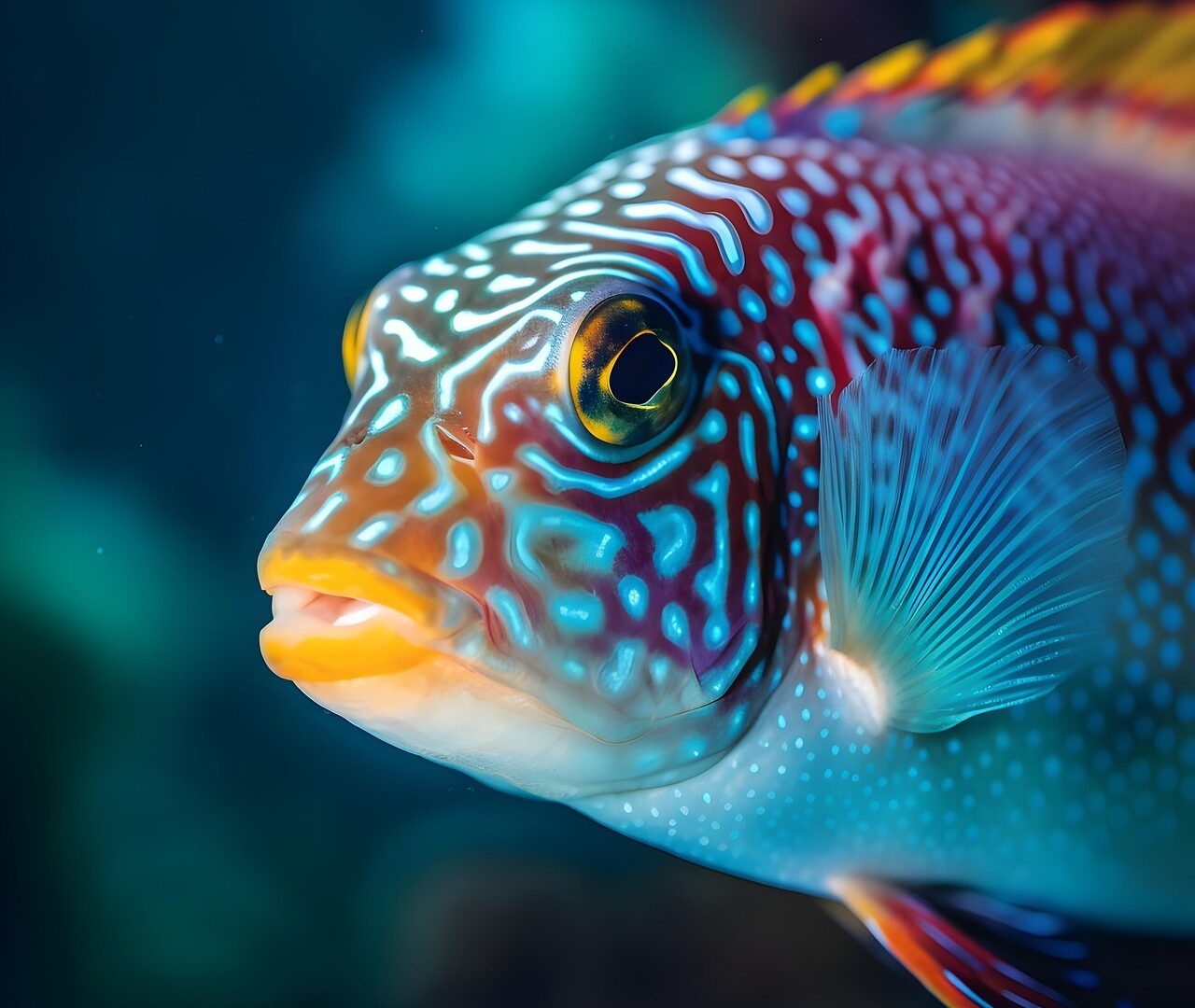
Apistogramma trifasciata sits among the most rewarding dwarf cichlids for keepers who want a fish that looks striking, breeds reliably and stays civil with tank mates that respect its space. Solid apistogramma trifasciata care breeding rests on water chemistry that mirrors its Paraguayan and Brazilian habitats and on careful pair selection. This guide from Gensou Aquascaping at 5 Everton Park covers tank setup, conditioning, spawning and fry rearing for Singapore keepers. The species is more forgiving than many wilds, which makes it a good entry point to the genus.
Origin, Habitat and Identification
The species occupies the Paraguay and Parana drainages plus parts of the lower Amazon, ranging across Bolivia, Paraguay, Argentina and southern Brazil. Wild fish live in slow-moving streams and oxbow lakes with sandy substrate, leaf litter and dense submerged grasses. Water chemistry varies but tends slightly acidic to neutral with low hardness.
The three lateral stripes give the species its name; mature males show extended dorsal rays in alternating black and yellow with blue iridescence on the body and pelvic fins. Females are smaller with fewer extended fins, gold body colour during spawning and black ventral patches when guarding eggs.
Tank Size and Setup
A pair lives comfortably in a 60 cm tank of 60-80 litres. Larger setups support multiple females per male and showcase territorial behaviour. Sand substrate, several caves (coconut shells or terracotta pots), driftwood and leaf litter provide cover. Low-light planting with Anubias, Java fern and cryptocoryne suits the species without competing for territory.
Water Parameters
Temperature 25-28°C, pH 5.5-7.0, GH 2-8 and TDS under 200 ppm. Singapore tap water sits high on pH at 7.5, so dilution with RO and acidification with botanicals brings it into range. The species tolerates harder water for keeping but breeding success drops sharply above GH 6.
Conditioning the Pair
Feed twice daily with a varied diet of live or frozen daphnia, blackworm, bloodworm, brine shrimp and high-quality micro pellets. Two weeks of intensive feeding triggers spawning behaviour in mature pairs. Drop the temperature 2°C, then raise it back to 27°C while doing a 30% water change with cooler RO water to simulate rainfall.
Spawning Behaviour
The female chooses a cave, cleans the inner surface and signals readiness by darkening her ventral region and flashing yellow body colour at the male. Spawning occurs inside the cave; the female deposits 60-150 eggs on the ceiling. Males defend the wider territory while females tend the eggs and emerging fry.
Egg and Wriggler Stage
Eggs hatch in 2-3 days at 27°C; wrigglers absorb yolk sacs over the following 4-5 days inside the cave. The female moves the wrigglers between pits she digs in the substrate, which is normal protective behaviour. Resist the temptation to peek into the cave during this period; spooked females sometimes eat broods.
Free-Swimming Fry
Fry leave the cave at 7-10 days post-hatch and follow the female in a tight cloud. Feed microworms, vinegar eels and freshly hatched brine shrimp two to three times daily. Do not feed dry powdered foods until fry exceed 1 cm; the protein density causes digestive issues and stunted growth at this size.
Separating the Male
Males sometimes harass females during fry rearing, particularly in tanks under 100 litres. Use a divider or move the male to a separate tank if you observe sustained aggression. The female alone rears fry well; the male can rejoin once fry reach 2 cm and the female loses brood-care behaviour.
Tank Mates
Compatible with small peaceful tetras, pencilfish and corydoras that occupy upper or substrate niches. Avoid other Apistogramma species in tanks under 200 litres; territorial aggression is intense. Otocinclus catfish work well as algae crew without competing for space. Reference our apistogramma care guide for general husbandry.
Common Issues
Bloat from low-quality dry food is the most common health complaint. Feed varied live and frozen foods and avoid generic flake. Fungal egg loss usually traces to too-hard water or insufficient water flow over the cave entrance. Failed broods become reliable once water chemistry sits within target range and the pair has spawned two or three times together.
Sourcing and Long-Term Project
Tank-bred trifasciata retail at $20-40 SGD per fish in Singapore, with breeding pairs at $60-100. Wild imports from Paraguay command higher prices when available. Specialist shops in Clementi and Serangoon North area carry the species on rotation. Our aquascape for apistogramma breeding tank guide covers display setup.
A pair in good condition spawns every three to four weeks for two to three years before fertility drops. Keep records of brood success per spawn to identify the optimal seasonal triggers in your tank. Selectively breeding the strongest fry from each batch builds a line adapted to your specific Singapore water profile within five generations.
Related Reading



