Aquarium for Nursing Homes: Gentle Engagement for Residents
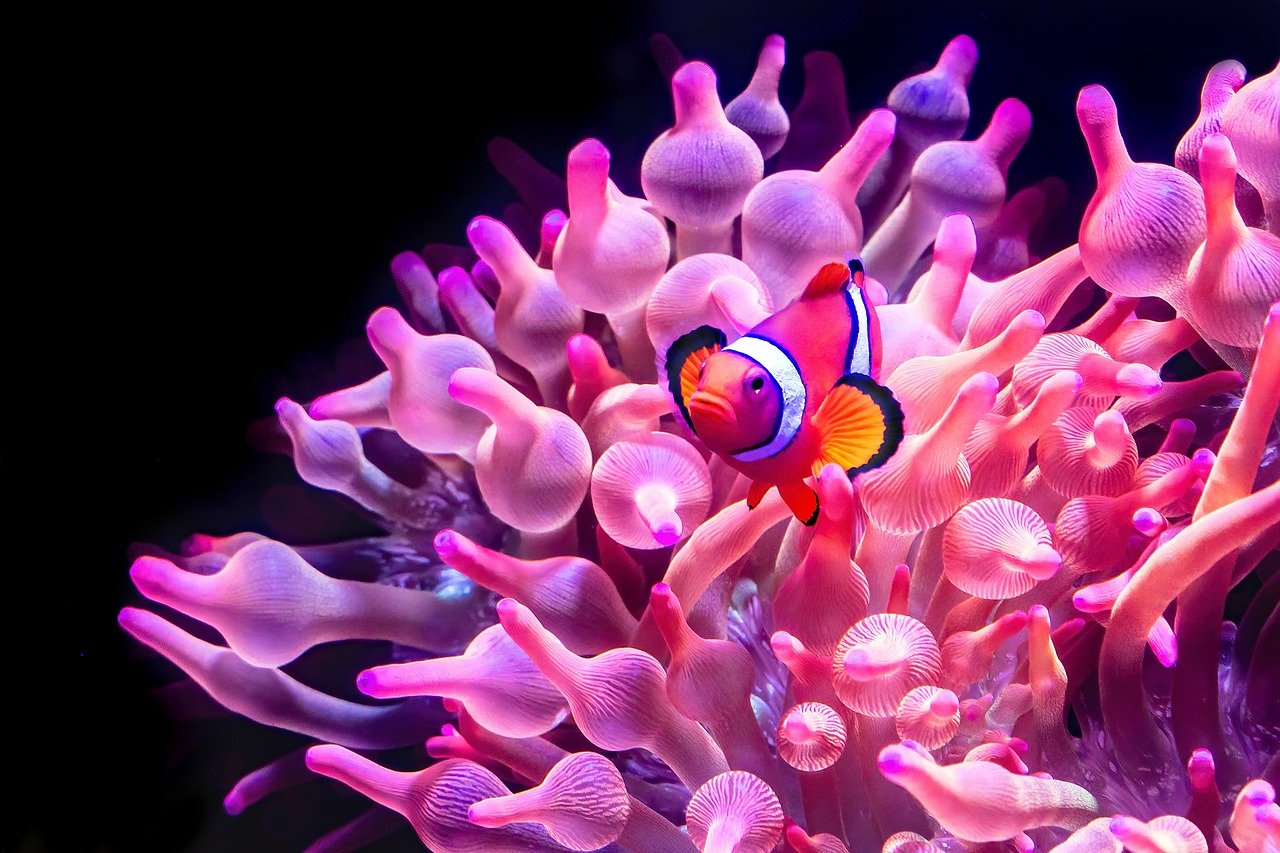
Aquariums have a remarkable effect on elderly residents in care facilities. Studies show that watching fish reduces agitation, lowers blood pressure and stimulates appetite in dementia patients. This aquarium nursing home guide from Gensou Aquascaping at 5 Everton Park, Singapore, covers everything from tank selection to maintenance logistics for aged care environments. We have installed aquariums in several eldercare centres across Singapore and seen firsthand how a simple fish tank transforms communal spaces.
The Therapeutic Benefits
Research from Purdue University found that Alzheimer’s patients who dined in front of aquariums ate up to 21% more food and required fewer nutritional supplements. A study in the journal Anthrozoology confirmed that aquariums reduce anxiety more effectively than wall-mounted nature videos or sound machines. For residents with limited mobility who spend long hours in communal areas, an aquarium provides ever-changing visual stimulation that television cannot match. The gentle movement of fish and swaying plants creates a meditative focus that calms restless behaviour, particularly during the sundowning hours common in dementia care.
Tank Size and Placement
A 3-foot to 4-foot tank (90-120 cm) offers the best balance between visual impact and practical maintenance. Place it at seated eye level, around 80-90 cm from the floor to the centre of the tank, so wheelchair-bound residents can enjoy it without straining. Position the aquarium in the main communal lounge or dining area where residents spend the most time. Ensure it is against a solid wall and away from direct sunlight, which drives algae growth. Wall-mounted or built-in installations are safest in environments where residents may lean on or bump into furniture.
Safety Considerations
All electrical connections must be secured away from residents. Use cable management trays to hide cords entirely and install a residual current device (RCD) on the power circuit supplying the tank. The tank must be fully enclosed with a secure lid to prevent residents from reaching into the water. Avoid glass lids that could shatter if knocked; acrylic covers are lighter and safer. Lock the cabinet doors so cleaning chemicals, fish food containers and equipment are inaccessible. In Singapore, workplace safety regulations apply to care facilities, so consult your facility manager before installation.
Best Fish for Eldercare Settings
Choose large, colourful, slow-moving species that are easy for aging eyes to see and track. Fancy goldfish like orandas and ryukins are ideal: they grow to 12-15 cm, display vibrant orange, red and white colours, and move with a gentle, flowing motion. If the tank is tropical, a group of large angelfish provides elegant, sail-like fins that capture attention. Avoid small, fast species like neon tetras that elderly residents with reduced visual acuity struggle to see. Guppies, mollies and platies work well as colourful mid-sized alternatives. Keep the stocking moderate so individual fish are easy to follow.
Aquascaping for Maximum Engagement
An open, uncluttered layout with large focal points works best. Use a few substantial rocks and a single piece of branching driftwood rather than a dense jungle of plants. Leave plenty of open swimming space in the front and centre of the tank. Easy plants like Anubias and Java fern attached to the hardscape add natural beauty without creating hiding spots where fish disappear from view. Bright LED lighting at 6,500 K ensures colours pop. A light-coloured substrate like white sand reflects light upward, making the fish more visible against the backdrop.
Maintenance Logistics for Care Facilities
Nursing homes operate on tight schedules and limited budgets, so aquarium maintenance must be streamlined. A professional service visiting fortnightly handles water changes, glass cleaning, filter maintenance and health checks. Between visits, a designated staff member feeds the fish once daily using a pre-measured container to prevent overfeeding. Automatic feeders provide backup during weekends and holidays. Budget $150-250 per month for professional maintenance of a 3-4 foot system in Singapore. This is modest compared to other therapeutic activity costs and delivers daily, passive benefit to every resident.
Engaging Residents With the Aquarium
Name each fish and create a simple chart with photos beside the tank. Residents, especially those with dementia, often form attachments to individual fish and enjoy pointing them out to visitors. Feeding time can become a supervised group activity, giving residents a sense of purpose and routine. Activity coordinators can build gentle conversation prompts around the tank: favourite fish, childhood pet memories, or simply describing what they see. An aquarium nursing home installation becomes more than decoration; it becomes a tool for social interaction and cognitive stimulation.
Funding and Setup Costs
A complete setup including tank, cabinet, filtration, lighting, aquascaping and livestock runs between $1,500-3,500 depending on size and specifications. Some eldercare facilities in Singapore have funded aquarium installations through community grants, corporate CSR partnerships or resident family donations. The National Council of Social Service and various VWO funding schemes may cover therapeutic environment improvements. Present the documented health benefits alongside the cost proposal to build a strong case. The ongoing maintenance cost is comparable to a single weekly activity session but delivers benefits around the clock, seven days a week.
Related Reading