Aquarium for Tattoo Parlours: Art Meets Art
Tattoo parlours and aquariums share a surprising amount of DNA — bold colours, meticulous attention to detail, and an audience that appreciates craftsmanship. An aquarium tattoo parlour guide setup does double duty: it calms nervous clients sitting in the waiting area and reinforces the studio’s creative identity. Gensou Aquascaping at 5 Everton Park, Singapore, has designed installations for studios where the tank becomes as much a conversation piece as the flash on the walls.
Why Aquariums Work in Tattoo Studios
Getting tattooed involves sustained discomfort, and waiting for your session can amplify anxiety. Studies consistently show that watching fish lowers cortisol levels and heart rate. A well-placed tank in the waiting area gives clients something engaging to focus on, reducing perceived wait times and pre-session nerves.
Beyond the calming effect, an aquarium signals that the studio owner cares about aesthetics and environment — qualities clients value when choosing someone to permanently mark their skin. It is a subtle but powerful trust signal.
Matching Tank Style to Studio Aesthetic
A minimalist black-and-white studio pairs beautifully with a stark iwagumi aquascape — clean lines, grey stone, and a low green carpet. Darker, more traditional studios suit blackwater setups with tannin-stained water, twisted driftwood, and moody lighting. A Japanese-themed parlour could feature a wabi-kusa or a serene nature aquarium inspired by Takashi Amano’s work.
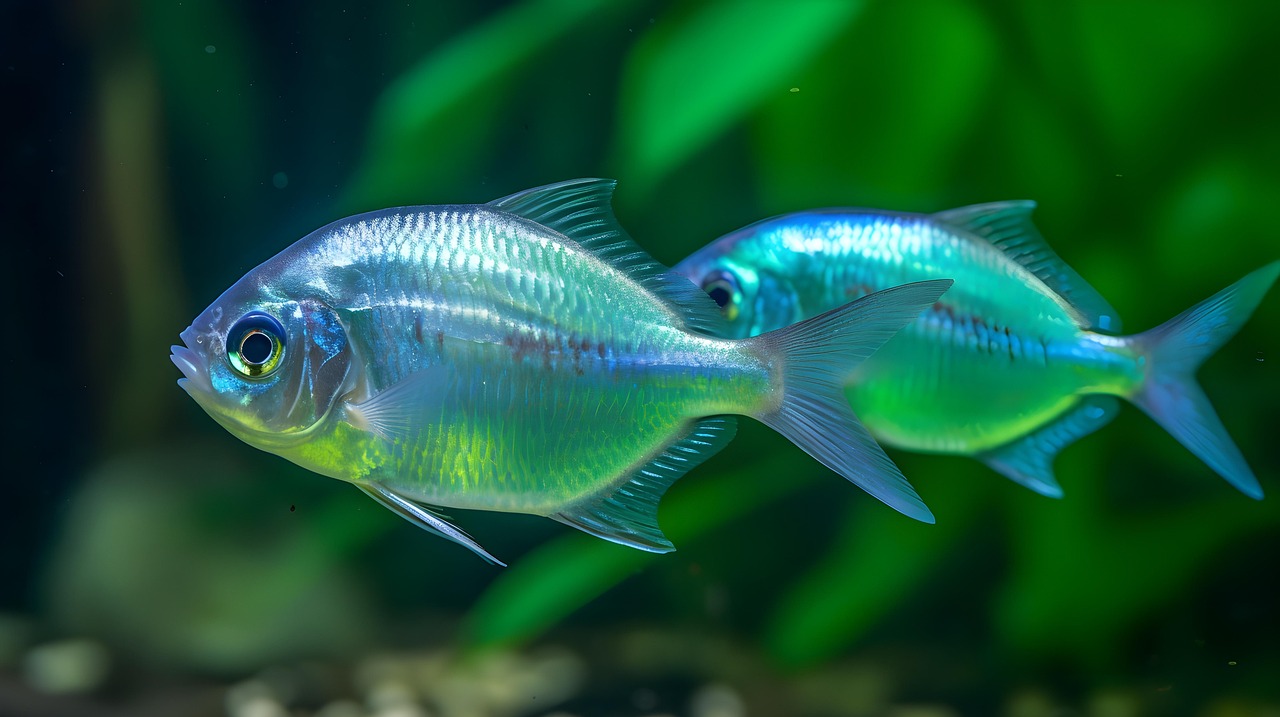
The fish selection should reinforce the vibe. Jet-black Moscow guppies and dark-bodied angelfish suit a gothic aesthetic. Neon tetras and cardinal tetras pop against dark backgrounds with almost fluorescent intensity. For a punk or industrial studio, consider a predator setup with a single striking specimen like a Cichla or a flowerhorn — bold, aggressive, and undeniably eye-catching.
Practical Placement and Tank Size
The waiting area is the primary location. A 120-200 litre tank at seated eye level gives clients a clear view while they wait. Wall-mounted or built-into-reception-counter designs save floor space in Singapore’s typically compact shophouse studios. Ensure the tank does not obstruct walkways — studios need clear paths for hygiene trolleys and client movement.
Some studios place smaller tanks (40-60 litres) at individual tattoo stations. These need to be positioned where the artist’s workspace and sterile field are not compromised. Behind the client’s head — visible during long back or arm pieces — is ideal if the station layout allows it.
Hygiene Considerations
Tattoo studios operate under strict hygiene regulations. An aquarium must not introduce contamination risks. Use a fully sealed lid to prevent water spray or aerosols reaching work surfaces. Position the tank at least 2 metres from the tattooing station. Maintenance should never happen during tattooing hours — schedule water changes before the studio opens or after closing.
Keep filter maintenance supplies, water conditioners, and fish food in a separate storage area from tattoo supplies. Cross-contamination is a legitimate concern that health inspectors may flag if not addressed. A clean, well-maintained tank is an asset; a neglected one with algae-covered glass sends entirely the wrong message about the studio’s hygiene standards.
Low-Maintenance Species for Busy Studios
Studio owners and artists are busy. Choose hardy species that tolerate minor fluctuations in care schedules. Bettas in a beautifully scaped nano tank are stunning and nearly indestructible. For larger setups, a mix of cherry barbs, black neon tetras, and bristlenose plecos provides colour, activity, and self-cleaning without demanding attention.
Shrimp tanks are an underrated option — a colony of blue bolt or red crystal shrimp in a planted nano tank is visually striking and practically silent. Clients fascinated by the shrimp often share photos on social media, giving the studio organic exposure.
Lighting That Enhances the Space
Programmable RGB LED lights let you match the tank’s colour temperature to the studio’s mood. Cool blue tones create a calm, almost clinical feel. Warm whites complement wooden interiors. Some studios programme colour shifts throughout the day — warmer in the morning, cooler in the evening — to subtly influence the ambiance.
Avoid overly bright lighting that creates glare on the glass, especially if the tank faces windows or strong overhead studio lights. Anti-reflective film on the front glass panel reduces this issue. The aquarium tattoo parlour guide principle is straightforward: the tank should enhance the space, not compete with the art on the walls or the art on the skin.
Budget and Maintenance Costs
A complete waiting-area installation in Singapore runs $1,200-$3,500 depending on size, species, and custom cabinetry. Monthly professional maintenance costs $100-$250 for fortnightly visits. For a studio generating $10,000-$30,000 monthly revenue, the aquarium cost is negligible against the client experience improvement it delivers. Gensou Aquascaping offers consultation and ongoing maintenance packages tailored to commercial creative spaces.
Related Reading