
High-Grade Red Crystal Shrimp Care Guide: SSS and Beyond
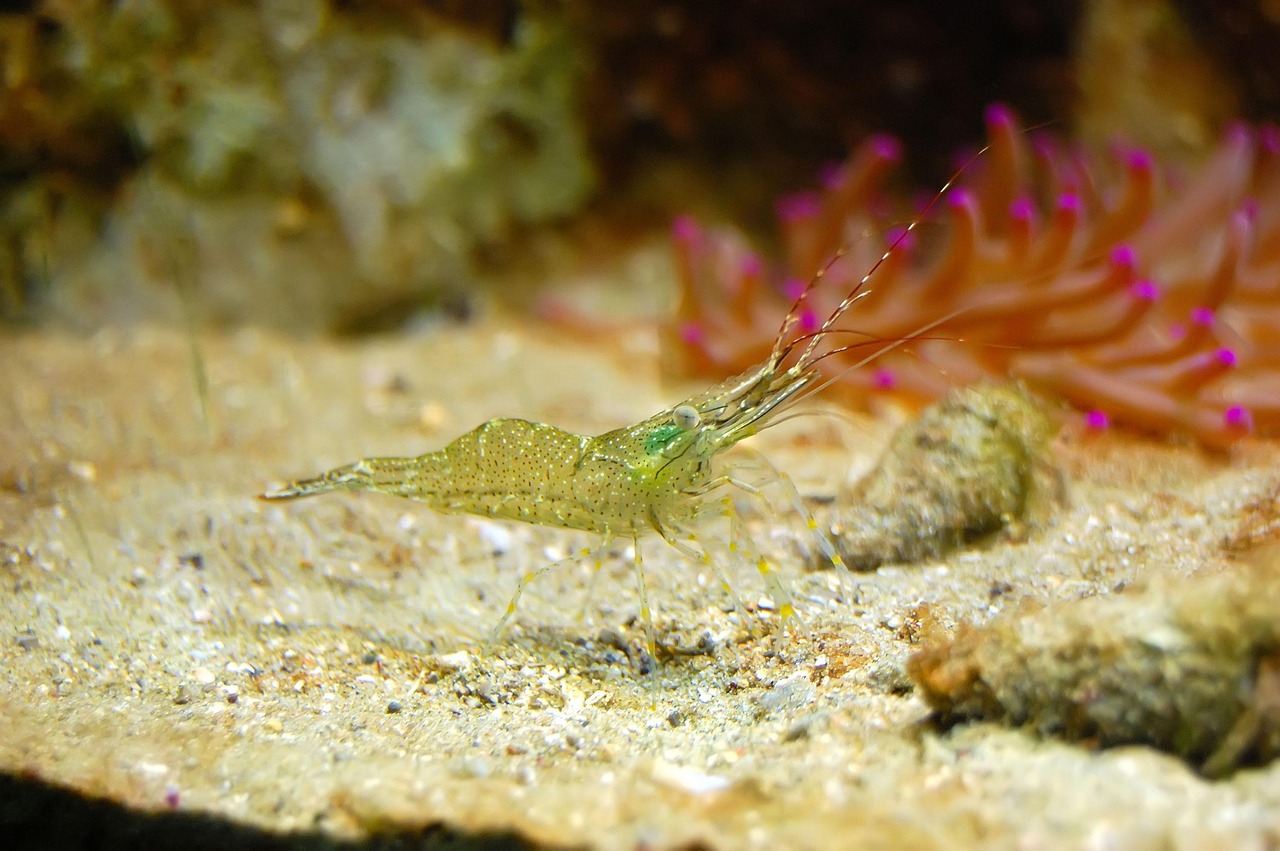
High-grade red crystal shrimp represent the pinnacle of freshwater invertebrate keeping — delicate living jewels where a single SSS-grade individual can cost more than an entire community fish tank. The pursuit of perfect white coverage, clean pattern separation, and translucent shell quality has driven a dedicated global breeding community for over two decades. This red crystal shrimp high grade care guide from Gensou Aquascaping at 5 Everton Park, Singapore, covers the exacting water chemistry, selective breeding, and daily management these premium Caridina cantonensis demand. This guide sits inside our broader Tropical Fish Species Master Index reference.
Understanding the Grading System
Crystal red shrimp grades run from C (mostly red with minimal white) up through S, SS, and SSS. At SSS level, sub-grades include hinomaru (red circle on white head), no-entry hinomaru (red circle with white line), mosura (red only on head, body entirely white), and crown mosura (supreme white coverage). Each jump in grade means more white, cleaner pattern edges, and higher shell opacity. Prices in Singapore reflect this: C-grade stock starts at $2-3 each, while true SSS mosura or crown mosura can fetch $50-150 per shrimp from specialist breeders.
Water Parameters — Non-Negotiable Precision
High-grade CRS are far less tolerant of parameter swings than lower grades. Target pH 5.8-6.4, GH 4-6, KH 0-1, TDS 100-150 ppm, and temperature 22-24 °C. Singapore’s ambient temperature of 28-32 °C is too warm — a chiller or at minimum a strong fan blowing across the water surface is essential to bring temperatures down. Many serious local breeders invest in dedicated aquarium chillers set to 23 °C, adding $200-400 to the setup cost but dramatically improving survival and breeding rates.
Use an active buffering substrate like ADA Amazonia, SL-Aqua, or Brightwell to maintain the acidic pH and zero KH. Remineralise RO or distilled water with a GH-only product like Salty Shrimp GH+ to your target TDS. Never use tap water directly — PUB’s chloramine is lethal to shrimp even in trace amounts, and the mineral profile is unsuitable.
Tank Setup
A 30-45 litre tank is the standard for a breeding colony. Sponge filters are mandatory — hang-on-back and canister filter intakes can trap and kill shrimplets. Run two sponge filters for redundancy and biological surface area. Dense moss — Java moss, Christmas moss, or flame moss — provides grazing surfaces and hiding spots for berried females and newborn shrimplets. Indian almond leaves and alder cones add tannins that support moulting and provide biofilm for grazing. Avoid bright lighting; moderate light supports moss growth without stressing the shrimp.
Feeding High-Grade CRS
Overfeeding is the most common killer of shrimp colonies. Feed sparingly — a tiny pinch of speciality shrimp food every other day is sufficient for a colony of 20-30. Rotate between protein-based and mineral-based foods: Shrimp King Complete, Bacter AE (for biofilm), mulberry leaves, and blanched spinach provide a balanced diet. Remove uneaten food after two hours to prevent ammonia spikes. Healthy shrimp spend most of their time grazing biofilm on surfaces, so a well-established tank with mature moss and leaf litter reduces the need for supplemental feeding.
Breeding and Selection
Females become berried (carrying eggs under their swimmerets) roughly every 6-8 weeks in optimal conditions. A single clutch typically contains 20-35 eggs, with higher-grade females sometimes producing smaller clutches. Incubation takes 28-30 days at 23 °C, after which miniature 2 mm versions of the adults emerge. No larval stage exists — the shrimplets are fully formed and self-sufficient from day one, grazing biofilm immediately.
Selective culling is essential for maintaining and improving grade quality. Remove lower-grade offspring — those with excessive red, muddy colour boundaries, or translucent patches — into a separate tank. Only breed the highest-quality individuals back into your main colony. This discipline over multiple generations is what separates hobbyists who produce SSS-grade stock from those stuck at S-grade.
Common Problems and Solutions
Bacterial infections appear as milky-white internal discolouration and are almost always triggered by parameter instability or contaminated food. Moulting failures — where shrimp die partially trapped in their old exoskeleton — indicate insufficient GH or mineral deficiency; ensure your GH stays above 4 and offer mineral-supplemented food regularly. Planaria and hydra are predators of shrimplets; treat with fenbendazole-based dewormers (No Planaria is widely available locally) following the manufacturer’s dosing precisely, as overdosing harms shrimp.
Investment and Returns
Setting up a proper high-grade CRS tank in Singapore costs roughly $500-800 including chiller, tank, substrate, sponge filters, and initial stock. Returns are slow but potentially significant — a well-managed colony producing SSS-grade offspring can generate $200-500 monthly through sales on Carousell and shrimp enthusiast groups. The Singapore shrimp community is active and knowledgeable; joining local Facebook groups and attending meetups helps both sales and education.
Precision Pays Off
Keeping high-grade red crystal shrimp is not a casual hobby — it demands precision, consistency, and a willingness to invest in proper equipment. But for those who commit, the reward is a tank filled with living art that constantly challenges your husbandry skills. This red crystal shrimp high grade care guide provides the foundation; experience, observation, and patience build the rest. Singapore’s thriving shrimp community and accessible specialist supplies make it one of the better places in Southeast Asia to pursue this niche seriously.
Related Reading
- Crystal Red Shrimp Grading Guide: SSS to C Grade Explained
- High-Grade Orange Sakura Shrimp Care Guide: Bright Citrus Neocaridina
- Red Cherry Shrimp vs Crystal Red Shrimp: Beginner vs Advanced
- Crystal Black Shrimp Care Guide: Monochrome Caridina Elegance
- Fire Red Cherry Shrimp Selective Breeding: From Sakura to Painted



