
Aquarium Photography Lighting Tips: Reducing Glare and Enhancing Colour
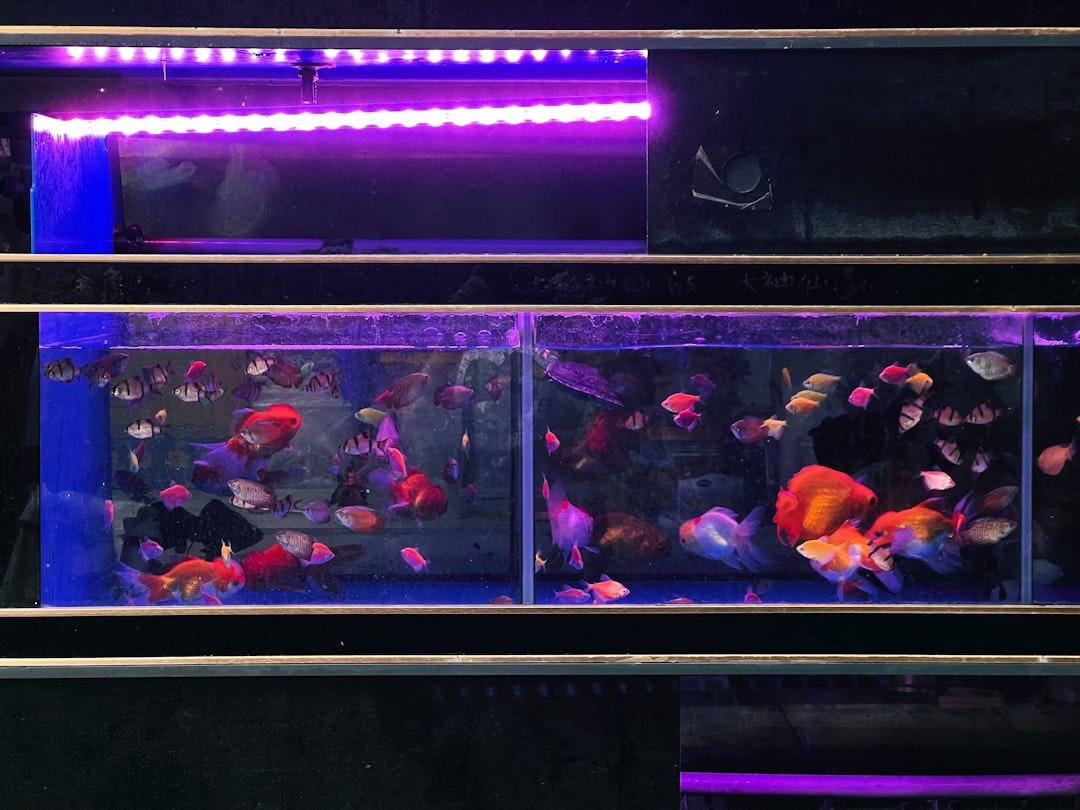
Light makes or breaks every aquarium photograph, yet most hobbyists treat it as an afterthought. These aquarium photography lighting tips from Gensou Aquascaping at 5 Everton Park, Singapore address the two challenges that frustrate aquarium photographers most: eliminating unwanted glare and reflections, and enhancing the natural colours of fish and plants. With over 20 years of experience documenting tanks, we have refined techniques that work whether you are shooting with a flagship smartphone or a professional mirrorless setup.
Eliminating Reflections and Glare
Reflections are the number one enemy of aquarium photography. Every light source in your room, from ceiling fixtures to phone screens, bounces off the glass and appears in your image. The most effective solution is also the simplest: turn off every light in the room except the aquarium itself. Close curtains or blinds, switch off monitors and cover any indicator LEDs near the tank. Dark clothing helps too, as a white shirt can create a visible ghostly reflection in the glass.
For DSLR and mirrorless cameras, a circular polarising filter reduces surface glare by up to 90 per cent. Rotate the filter while looking through the viewfinder until reflections diminish. This single accessory, priced at $30 to $80 for quality brands available locally on Lazada, transforms aquarium photography more than any other gear purchase.
Working With Your Existing Tank Light
Your aquarium LED is your primary photographic light source, so understand its strengths and limitations. Most modern fixtures allow channel adjustment. For photography, reduce blue channels and increase white and red channels to produce a more balanced, natural-looking spectrum. Full-spectrum daylight mode around 6500K generally photographs best for freshwater tanks. Raise the light fixture slightly above its normal position to spread illumination more evenly and reduce harsh shadows from hardscape elements.
Adding Supplemental Lighting
Sometimes your tank light alone is insufficient. A small handheld LED panel, positioned above and slightly behind the tank, fills shadows and adds dimension. Look for panels with adjustable colour temperature and brightness. Avoid pointing supplemental lights directly through the front glass, which creates distracting hotspots. Side lighting, where you place a light at a 45-degree angle to the glass, reveals textures in fish scales and plant leaves that front-on lighting flattens. This technique works particularly well for photographing bettas, discus and other species with complex scale patterns.
Enhancing Fish Colours in Camera
Vivid fish colours depend more on lighting angle and quality than on camera settings. Overhead lighting produces the most natural colour rendition, as it mimics sunlight in a fish’s natural habitat. A slightly warm white balance, around 5800 to 6200K, enhances reds and golds without making the image look unnaturally warm. Dark backgrounds and substrates make fish colours pop by providing contrast. If your tank has a light-coloured background, consider taping a sheet of black cardboard behind it during photo sessions.
Avoid boosting saturation in camera, as this often introduces colour artefacts and makes images look overprocessed. Capture accurate colour in the shot and make subtle adjustments in editing software afterward.
Controlling Shadows and Contrast
Hard shadows beneath driftwood and rocks look dramatic to the eye but can obscure fish hiding in those areas. If you want to photograph shy species in their favourite spots, add a gentle fill light from the front of the tank to open up shadows without eliminating them entirely. Alternatively, increase your tank light’s intensity temporarily. High-contrast scenes, where bright highlights and deep shadows coexist, challenge camera sensors. Expose for the highlights and recover shadow detail in post-processing, especially if you shoot in RAW format.
Lighting for Planted Tank Photography
Planted tanks photograph best during the peak of the lighting period, when plants are actively pearling and leaves are fully open. Certain plants like Rotala rotundifolia show their most intense red colouration under strong light, making the photography window align with the most visually appealing time. Reduce surface agitation before shooting to minimise ripple distortion of light patterns on the substrate. A calm water surface allows clean, even illumination throughout the tank.
Night and Moonlight Photography
Photographing nocturnal activity requires a different approach. Use a dim red or blue moonlight LED to illuminate the tank without disturbing shy species. Set your camera to a high ISO of 3200 to 6400 and use a tripod to allow longer shutter speeds of 1/30 to 1/60 second. Noise will be higher, but modern noise reduction in software like Lightroom handles this effectively. Moonlight photographs of shrimp foraging, catfish emerging and corals extending their polyps reveal a hidden world that daytime shots never capture.
Quick Checklist Before You Shoot
Clean both sides of the glass thoroughly. Turn off all room lights. Set your tank light to full spectrum or photography mode. Wait five minutes for fish to settle after any disturbance. Position yourself at eye level with the tank. Lock your white balance. Take test shots and review before committing to a full session. These steps, followed consistently, produce reliably clean results regardless of the camera you use.
Related Reading
- Aquarium Macro Photography Guide: Capturing Detail With Your Phone or DSLR
- Aquarium Photography Tips: Capture Stunning Shots With Phone or Camera
- Deepavali Aquarium Theme and Lighting Ideas: Festival of Lights Underwater
- Pond Lighting Guide: Underwater LEDs and Landscape Illumination
- White Balance for Aquarium Photography: Correcting Blue and Yellow Casts



