
How to Aquascape for Wine Bars in Singapore: Mood and Movement
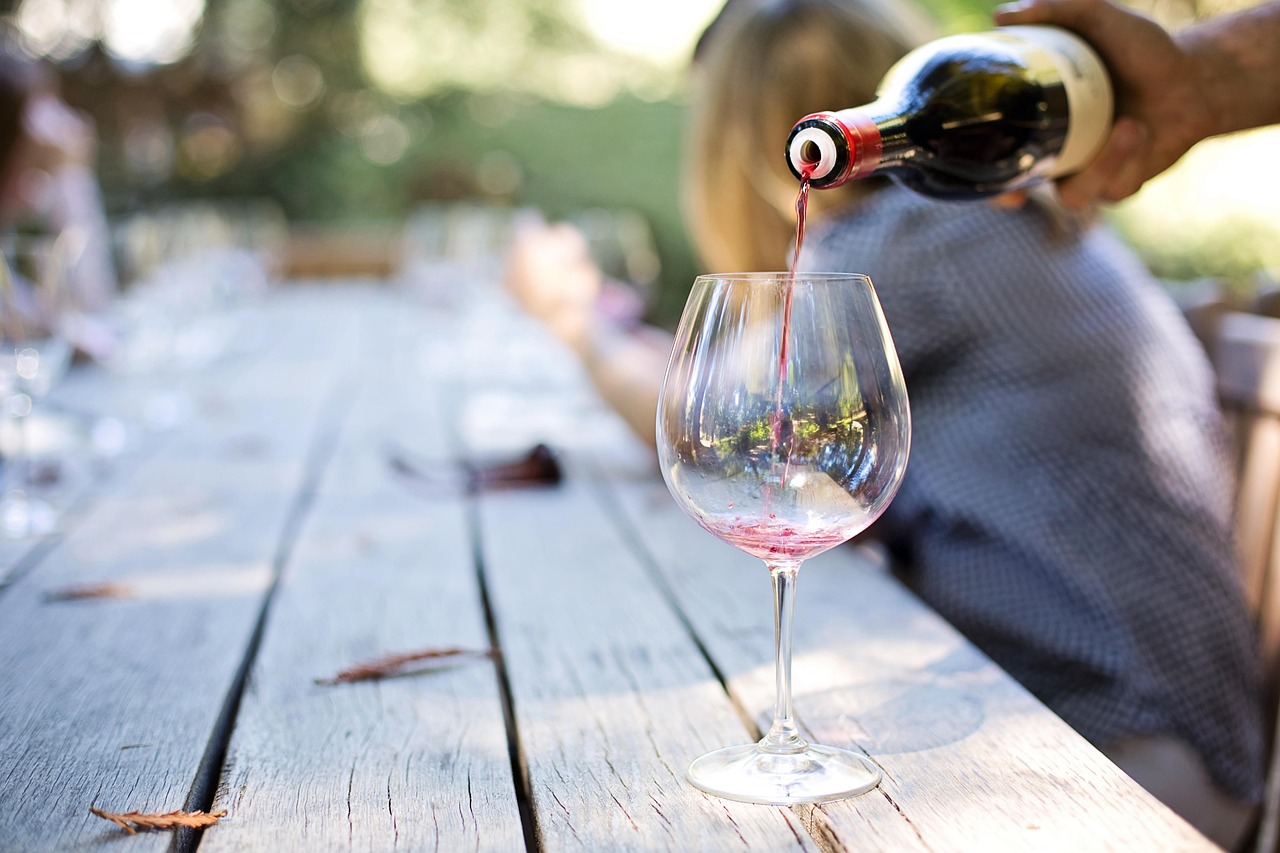
This aquascape wine bar Singapore guide shows how a thoughtfully designed aquarium becomes the centrepiece of an upscale drinking establishment. Wine bars trade on atmosphere — dim lighting, warm textures, curated music — and a living aquascape adds movement and depth that no painting or sculpture can match. Gensou Aquascaping Singapore, operating from 5 Everton Park with over 20 years of hands-on experience, has designed installations for hospitality venues where mood is everything.
Setting the Right Mood
Wine bars aim for intimacy and sophistication. The aquascape must complement, not compete with, the venue’s design language. Dark substrates, muted hardscape tones, and warm amber lighting create an underwater scene that harmonises with exposed brick, leather seating, and candlelit tables.
Avoid bright, clinical-looking setups. A wine bar aquarium should feel like a window into a twilight forest stream, not a pet shop display. Subtlety is the guiding principle.
Tank Placement and Integration
Behind-the-bar installations are the most impactful. A long, shallow tank built into the back wall — behind wine bottles or between shelving — creates a living backdrop that patrons gaze at while ordering. Typical dimensions for bar-back tanks run 120-180 cm long, 30-40 cm tall, and 25-30 cm deep.
Room dividers work well in larger venues. A freestanding tank separating the bar from the dining area serves as both decor and spatial architecture. Wall-mounted portrait-orientation tanks flanking the entrance make a striking first impression in shophouse-style wine bars common in Singapore’s Keong Saik Road and Club Street areas.
Hardscape for Elegance
Dark driftwood — Manzanita, iron wood, or stained spider wood — provides the structural backbone. Choose pieces with graceful, sweeping lines rather than chaotic branching. The wood should evoke aged grapevines or weathered olive trees, resonating subconsciously with the wine theme.
Pair wood with dark volcanic rock or slate arranged in low, understated formations. Avoid bright white or blue stones that clash with the warm, moody interior. Keep the hardscape asymmetrical and organic — precision feels sterile in a space designed for relaxation.
Plant Selection: Lush but Restrained
Bucephalandra varieties with their dark, textured leaves are perfect for wine bar aquascapes. They grow slowly, need minimal light, and attach permanently to wood and rock. Anubias barteri ‘Nana’ provides broad, deep green leaves that photograph beautifully under amber lighting.
Mosses draped over driftwood add softness and movement. Vesicularia montagnei (Christmas Moss) or Taxiphyllum ‘Flame’ create flowing green textures that sway gently in the current. Avoid fast-growing stem plants that require frequent trimming — maintenance disruptions are unwelcome during bar service hours.
Lighting Design
Lighting is where a wine bar aquascape differs most from a home setup. Standard white 6500K aquarium LEDs look harsh and out of place. Use warm-toned LEDs in the 3000-4000K range, or RGB fixtures dialled to amber and soft gold. The water should glow, not glare.
Dim the aquarium light to 30-50% of maximum output. This matches the low ambient lighting of a wine bar and prevents the tank from becoming an overpowering bright rectangle on the wall. Programme a gradual dimming cycle that deepens the mood as evening progresses — brighter during happy hour, dimmer for late-night service.
Fish That Move Like Music
Schooling fish create the gentle, rhythmic movement that complements a wine bar’s pace. Ember tetras (Hyphessobrycon amandae) glow warm orange under amber light — as if they are lit from within. A school of 20-30 in a 150-litre tank creates a hypnotic, drifting effect.
Black neon tetras offer elegant contrast with their iridescent stripe against a dark body. Galaxy rasboras (Danio margaritatus) shimmer with tiny gold spots that catch the light as they turn. Avoid large, attention-grabbing species. The fish should contribute to atmosphere, not demand it.
Noise and Practical Considerations
Wine bars are quiet venues. Equipment noise is unacceptable. Use inline canister filters (Eheim, Oase) mounted inside the cabinet, which are virtually silent. Avoid air pumps and hang-on-back filters that hum or splash. Every piece of equipment should be hidden and inaudible from the patron side.
Schedule maintenance during closed hours — typically Monday or Tuesday mornings when most Singapore bars are shut. A 30-minute weekly visit covers water changes, glass cleaning, and plant trimming. Monthly deep maintenance includes filter servicing and equipment inspection. Budget $200-$500 per month depending on tank size.
Commercial Value and Guest Experience
An aquascape wine bar Singapore installation costs $2,000-$8,000 for a custom built-in tank with professional setup. Monthly maintenance adds to the ongoing expense. But the return is tangible: longer dwell times as patrons linger over their glasses watching the tank, social media content as guests photograph the glowing aquascape beside their wine, and a distinctive identity that sets the venue apart in Singapore’s competitive nightlife scene. A living aquascape tells patrons that this bar cares about beauty, craft, and detail — the same values that define great wine.
Related Reading



