Rainbow Fish Tank Mates Guide: Community Options
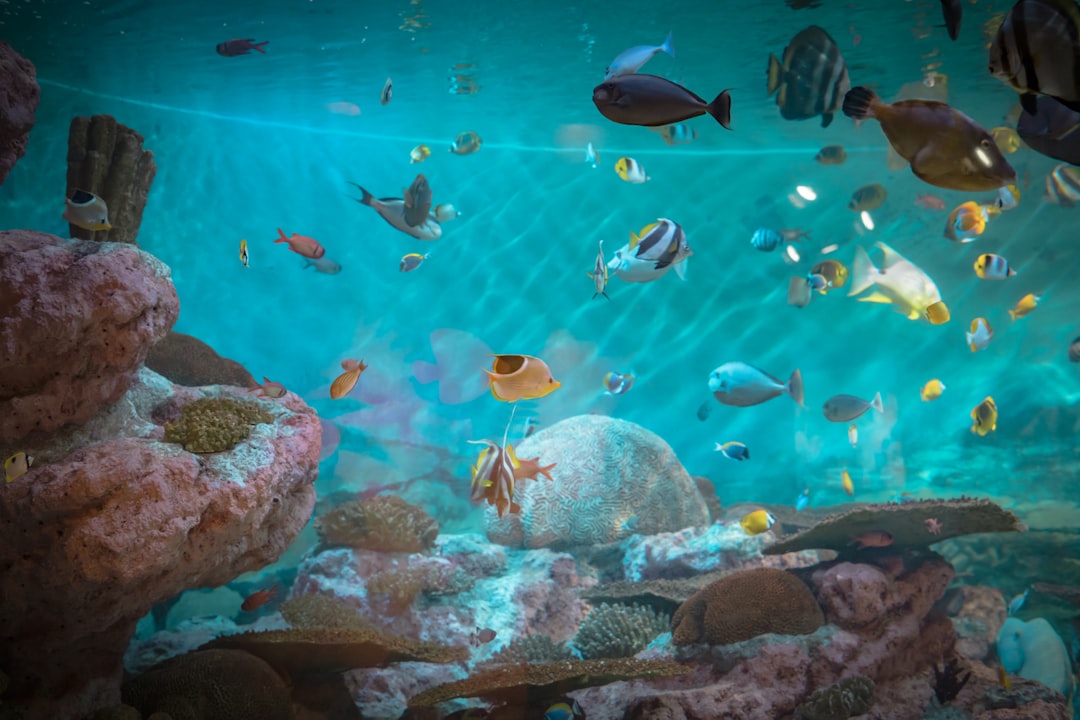
Rainbowfish are gregarious open-water swimmers that photograph terribly in a species-only tank and brilliantly in a thoughtful community. Males intensify colour when rivals are present and display harder still when confident shoalers share the midwater column. This rainbow fish tank mates guide from Gensou Aquascaping at 5 Everton Park sets out the compatibility rules for Melanotaenia and related genera, accounting for their active temperament, 12-15cm adult size in larger species, and the hard, slightly alkaline water profile they prefer.
Rainbowfish Temperament at a Glance
Rainbowfish are peaceful to other species but assertive within their own shoal. Males posture, chase and occasionally fin-clip rivals — harmless displays that intimidate timid tank mates. A group of six or more dilutes the energy across individuals. Keep the ratio skewed female (three females per two males) to soften the spawning drive that otherwise turns the tank into a constant chase sequence.
Water Parameters That Narrow the List
Most rainbowfish originate from hard, alkaline lakes and streams in New Guinea and northern Australia. Aim for 24-28°C, pH 7.2-8.0, GH 10-18, KH 5-10. Singapore tap water at GH 2-4 sits far below their preference, so buffer with crushed coral, aragonite substrate, or a dedicated mineraliser. This parameter profile immediately excludes blackwater tetras, wild bettas, discus and any soft-water species that suffers at elevated hardness.
Best Midwater Companions
Congo tetras (Phenacogrammus interruptus) match the swimming energy and handle harder water than most South American tetras. Silver tip tetras, black skirt tetras and buenos aires tetras all hold their own alongside boesemani or turquoise rainbows. For smaller rainbows like the threadfin, scale down to harlequin rasboras or lambchop rasboras — both tolerate GH 8-12 without stress. Gensou carries Boesemani Rainbow Fish as the anchor species for most community builds.
Bottom-Dwelling Allies
Larger corydoras like sterbai or bronze cories tolerate the harder water better than panda or pygmy cories, which prefer softer conditions. Kuhli loaches work in the sand-substrate zone. Bristlenose plecos handle pH 7.5+ comfortably and clear algae without disturbing the hardscape. Avoid hillstream loaches despite appearances — they need cooler, high-flow habitats at 20-23°C that stress tropical rainbowfish. Browse the tropical fish range for current stock of community-safe bottom species.
Shrimp, Snails and Invertebrates
Adult Amano shrimp survive with medium rainbowfish (under 10cm) because they are too large to swallow. Cherry and sakura shrimp become snacks the moment a rainbow spots them, particularly juveniles. Nerite snails are bulletproof — the hard shell deters any curious rainbow. Mystery snails work for aesthetics but avoid stocking ramshorn in breeding numbers, as rainbows ignore them and the population explodes on leftover flake food.
Species to Absolutely Avoid
Long-finned species like male guppies, angelfish with trailing filaments and fancy goldfish get nipped during spawning frenzies. Aggressive cichlids (Jack Dempsey, Oscar, green terror) bully rainbows out of the open water they need. Timid dwarf cichlids like Apistogramma cacatuoides struggle in rainbowfish-level hardness. Bettas get harassed in open-water tanks where they cannot establish territory. Rainbowfish also jump, so anything sharing the top layer needs to tolerate a tight lid.
Tank Size and Stocking Density
A 200-litre footprint is the practical minimum for medium rainbowfish (boesemani, turquoise, parkinsonii) in a group of six plus one community addition. Drop to 120 litres for a dwarf neon or threadfin rainbow shoal. Length matters more than volume — rainbowfish cruise, so a 120cm tank with 50cm depth beats a cube of equivalent volume. Pair with a robust canister from the filtration range because their healthy appetites load the bioload quickly.
Singapore Sourcing Notes
Boesemani and turquoise rainbows appear regularly at C328 Clementi at SGD 12-20 per juvenile. Rarer imports — Lake Kutubu, Goyder River, parkinsonii — rotate through Polyart and Y618 stock lists every few weeks; join the shop WhatsApp broadcasts for arrival alerts. Carousell breeders occasionally list Singapore-bred threadfin rainbows at SGD 8-12, usually healthier than wild imports. Always acclimate over 60 minutes with drip-line from tap water to buffered tank water.
Feeding a Mixed Community
Rainbowfish lunge for food at the surface and miss nothing. Sinking pellets reach corydoras only if you feed them during a blackout moment or from a feeding dish. Alternate between high-protein flakes, frozen bloodworm, daphnia and the occasional live mosquito larvae harvested from covered outdoor rainwater — a legitimate Singapore perk. Offer a small algae wafer last thing at night for plecos and snails.
Related Reading

emilynakatani
Still Have Questions About Your Tank?
Drop by Gensou Aquascaping — most walk-in questions get answered in under 10 minutes by someone who has set up hundreds of tanks.
5 Everton Park #01-34B, Singapore 080005 · Open daily 11am – 8pm