
Banggai Cardinalfish Breeding Guide: Mouthbrooding Tank
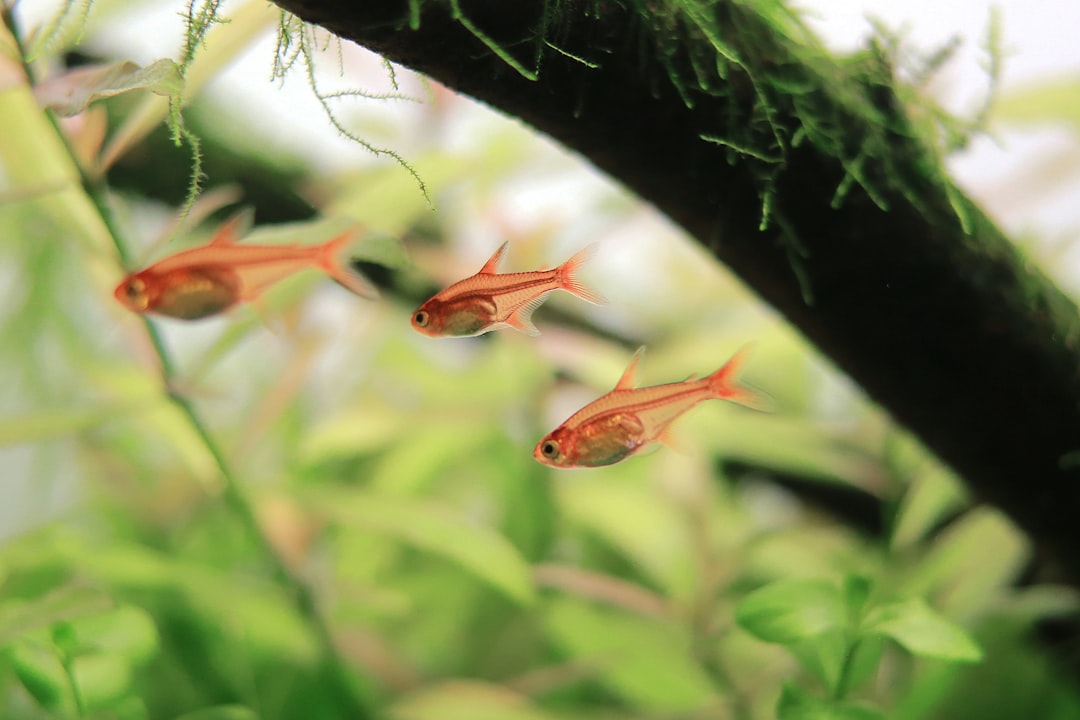
Pterapogon kauderni is the easiest marine fish to breed at home — easier than clownfish, because the male mouthbroods and releases fully formed juveniles that skip the larval stage entirely. This banggai cardinalfish breeding guide from Gensou Aquascaping in Singapore explains why the species is still worth breeding despite being inexpensive, how to form a stable pair, and how to manage the three-week brooding period without losing the male. Captive-bred banggais also reduce pressure on the wild population, which is IUCN endangered.
Quick Facts
- Adult size: 7-8 cm
- Breeding tank: 80 litres minimum for a pair, 150 litres for small group
- Parameters: 25-27 °C, salinity 1.025, pH 8.1-8.3
- Brood cycle: 20-25 days mouthbrooding, release at 8 mm fully formed
- Brood size: 15-40 juveniles per release
- First food: live brine shrimp nauplii — no rotifer phase needed
- Time to sale size: 3-4 months at 2.5-3 cm
Pair Formation and Sexing
Banggais are monogamous but tough to sex by eye. Males have a longer second dorsal spine and a larger jaw to carry eggs — visible only by side-by-side comparison. Buy six juveniles, grow them out in a 100-litre tank with a diadema urchin or a stand of long-spined rockwork, and let a pair form naturally. The pair will drive the others off; remove the four rejected fish to another tank before aggression escalates. Forcing a pair by picking two random adults rarely works — expect one to kill the other within days.
Breeding Tank Setup
Bare-bottom or fine sand, mature biological filtration, a sump with a skimmer, moderate flow, and a refugium with chaeto. Add several vertical structures for the pair to orient to — a plastic urchin analogue or real Diadema gives them cover and reduces stress. Temperature stable at 26 °C, nitrate under 10 ppm. Cardinalfish are sensitive to sudden pH drops, so a calcium reactor or two-part dosing helps stability.
Conditioning and Spawn Trigger
Feed three to four times daily on mysis, enriched brine, finely chopped prawn, and a quality pellet. Within two months of settling in, a bonded pair will spawn. Courtship involves head-bobbing and mutual following. The female lays 20-50 eggs, which the male immediately takes into his mouth. He stops feeding for the entire brood period — his jawline visibly distends and jaw motion becomes constant.
Brooding Management
Leave the male in the display if the pair tolerates tankmates; otherwise move him to a quiet 40-litre holding tank with similar water. Moving him is stressful and sometimes causes him to spit and eat the brood, so weigh the risk. The male will not eat for about three weeks. Reduce feeding frequency for the female during this time to prevent fouling. Keep the lights slightly dimmer than usual.
Release and Collection
At around day 20-25, the male releases fully formed juveniles. They are immediately independent, swim in a tight group, and will hide in the same structure the parents use. Net them out within 12 hours — adult banggais may eat newly released young, and tankmates certainly will. A dedicated 40-litre grow-out tank with a sponge filter and a small piece of live rock works well.
Raising the Juveniles
Feed newly hatched brine shrimp nauplii four times daily for the first week. From day 5 onwards, introduce finely crushed pellet and frozen cyclops. By week three, they take chopped mysis. Growth is steady — about 3 mm per week. Cull or rehome weaklings early; banggai juveniles will cannibalise smaller siblings when food is thin.
Water Quality for the Grow-Out
A heavy feed rate pushes nitrate fast. Run a 20% weekly water change on the grow-out tank and keep the sponge filter well-seeded from your main system. Ammonia spikes are the main killer — juveniles seem fine and then die overnight. Test every three days for the first month.
Why Captive-Bred Matters
Wild-caught banggais are collected from a narrow range in the Banggai archipelago and populations have collapsed in some areas. Captive-bred juveniles sold in Singapore run $15-25 compared to $8-12 for wild imports, but they acclimate faster, carry fewer parasites, and support a more ethical supply chain. If you breed a clutch successfully, local hobbyist groups and some shops will take them on trade.
Common Pitfalls
Pair aggression in a tank that is too small. Males spitting broods under stress — avoid netting or major tank work during mouthbrooding. Juveniles starving because brine shrimp hatch supply ran out. Nitrate creep in the grow-out tank. None of these are difficult to avoid once you see them coming.
Related Reading



