
Boraras Naevus Strawberry Rasbora Care Guide
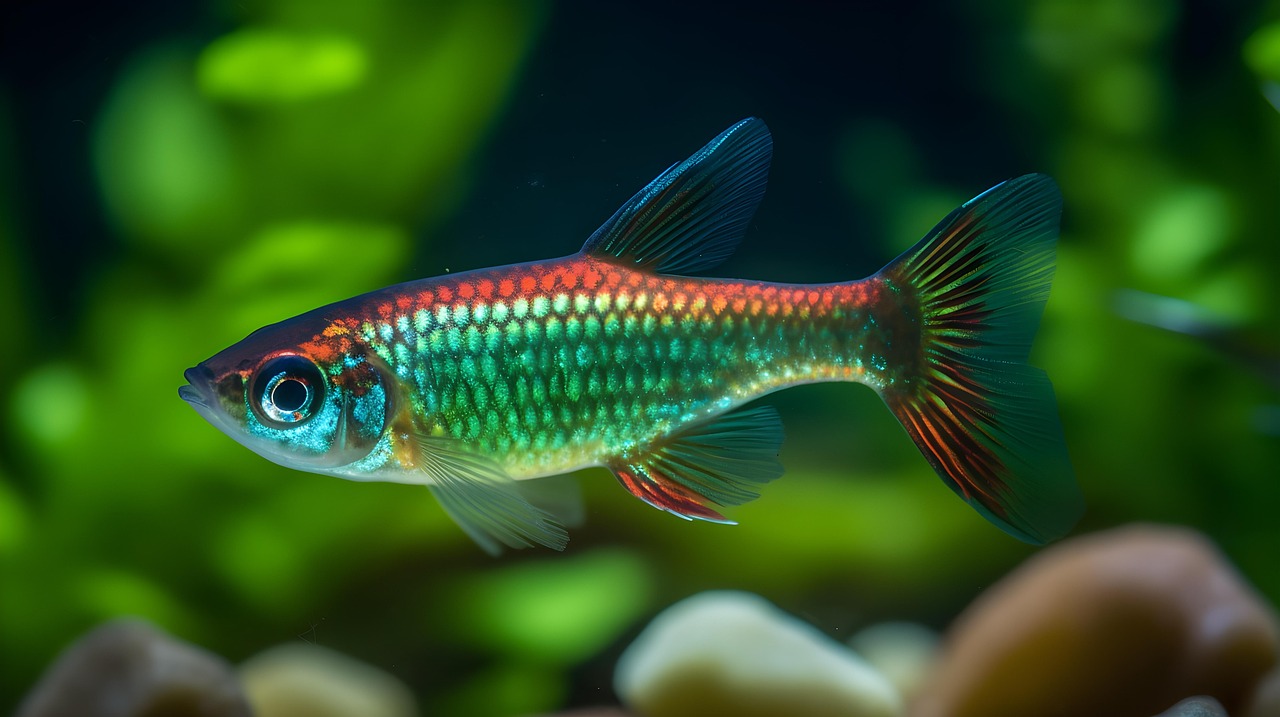
The strawberry rasbora is one of the more recently described Boraras and offers a softer, peachier red than its more famous chili relative, sitting nicely in dark-themed nano scapes. This boraras naevus strawberry rasbora care guide from Gensou Aquascaping at 5 Everton Park draws on two breeding seasons with the species in Singapore HDB tanks, including notes on the shy behaviour that throws first-time keepers and the lighting tricks that bring out maximum colour.
Discovery and Habitat
Described in 2011 by Conway and Kottelat from southern Thailand, Boraras naevus inhabits acidic blackwater pools and slow streams across peat-swamp forest in the Surat Thani area. Wild water sits at pH 4.5 to 6.0, GH below 2, and 24 to 28 degrees Celsius. The naevus name refers to the prominent dark spot above the anal fin, distinguishing it from the speckled Boraras maculatus. Stock in Singapore is increasingly farmed from Czech and Thai breeders rather than wild-caught.
Identification
Adults reach 18 to 22 mm, smaller than chili rasbora and noticeably stockier in profile. Body colour ranges from dusty rose to soft strawberry red intensified by black pectoral markings and a black flank spot. Males develop deeper colour and slimmer bellies; females are paler and rounder. Compared to chili rasbora, naevus has a softer, less crimson tone and a chunkier silhouette.
Tank Size and Layout
A 25 to 40 litre tank with footprint at least 40 cm by 25 cm holds a healthy shoal of ten to fifteen adults. Aquascape with dense fine-leaved planting (mosses, microsorum varieties, dwarf Bucephalandra) and shaded areas under driftwood. Indian almond leaves on the substrate generate the tannin tint that triggers natural behaviour and colouration. Avoid bright open scapes; naevus skulks under cover when overexposed.
Singapore Water Parameters
PUB tap at GH 2 to 4 needs slight softening for true colour; aim for pH 6.0 to 6.5 by passing top-ups through a peat-filled media bag. Hardness above GH 5 mutes red flanks within a fortnight. Temperature 26 to 28 degrees suits HDB ambient without a heater. Use Indian almond leaves rotated weekly and run a sponge filter rather than a powered canister to maintain low flow. Our blackwater setup guide covers full water chemistry.
Diet and Feeding
Strawberries are micro-predators with tiny mouths; food must be small and meaty. Newly hatched brine shrimp, microworm, daphnia and crushed micro-pellet form the practical rotation. Avoid large flake; it sinks past the shoal before they react. Feed twice daily in pinches the shoal clears within thirty seconds, and culture vinegar eels and microworms at home for cheap variety. Cut frozen bloodworm because it is too large for adult mouths.
Tank Mates
Pair with peaceful nano species comfortable in soft acidic water: Boraras maculatus, Pseudomugil, dwarf Corydoras, sparkling gourami, or peaceful shrimp. Avoid larger tetras, danios, and anything over 4 cm that competes at feeding. Mid-large angelfish and gourami treat naevus as snacks; never combine. Neocaridina coexist well, though shrimp fry may be picked.
Schooling and Behaviour
Below eight individuals naevus turns reclusive, hugging the back glass and showing minimal colour. At twelve or more, the shoal moves freely mid-water and males stake small flag-territories with brief fin displays. Provide a horizontal swim corridor along the front glass and a tannin-stained background; both maximise visible behaviour and shoal cohesion.
Breeding Notes
Naevus spawns continuously in mature soft-water tanks. The catch is fry survival; eggs scatter into moss and adults consume them within hours. To breed deliberately, condition pairs on live food for two weeks then move to a 5 litre breeding tub with java moss and an air-driven sponge filter at pH 5.5 to 6.0. Remove adults after 24 hours; eggs hatch in 36 to 48 hours and fry need infusoria before microworm. Our chili rasbora breeding guide covers parallel methodology.
Lighting and Display
Soft, dimmer light brings out the best red. Run LEDs at 40 to 60 percent and use floating plants such as Salvinia or Frogbit to shade the upper third of the tank. Strong overhead light triggers the species’ wash-out response within minutes. Pair with dark substrate to deepen visible body colour; on light sand the fish appear washed regardless of water tint.
Common Health Issues
Strawberries dislike chloramine spikes and pH swings. Use a double dose of dechlorinator on water changes and avoid aggressive CO2 injection. The species is also susceptible to ich after temperature drops; maintain steady 27 degrees year-round. Quarantine new arrivals for two weeks because farm stock occasionally carries gill flukes that present as flashing and laboured breathing.
Sourcing and Why Choose Naevus
Naevus appears occasionally at Y618, C328 Clementi and Thomson Road shops at SGD 4 to 7 per fish, with specialist Shopee blackwater importers listing mixed-Boraras groups during the May Aquarama season. Buy in groups of at least twelve to start; smaller initial groups underperform and individuals lost in transport leave the school below the social threshold. For Singapore aquarists already keeping Boraras brigittae or chili rasbora, naevus provides genuine variety in tone and behaviour without disrupting an established blackwater chemistry, and the peachy red sits beautifully against driftwood and tannin-tinted water. Our C328 Clementi shop guide notes typical stocking patterns.
Related Reading



