
Bucktooth Tetra Care Guide: The Scale-Eating Oddball
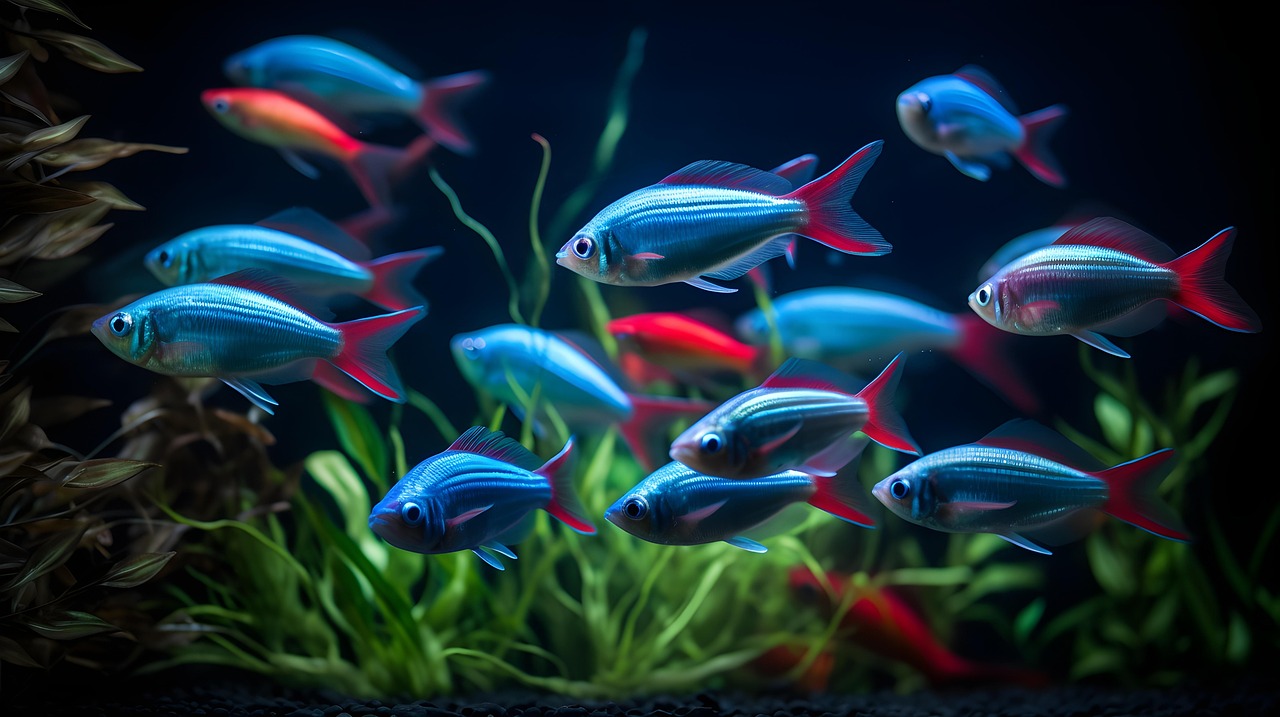
This bucktooth tetra care guide explores one of the most unusual and misunderstood fish in the tetra family. At Gensou Aquascaping, based at 5 Everton Park, Singapore, we find the bucktooth tetra (Exodon paradoxus) fascinating for its striking appearance and predatory feeding behaviour that defies the typical tetra stereotype.
Species Overview and Natural Habitat
The bucktooth tetra is native to the rivers and streams of the Amazon and Tocantins basins in Brazil. Despite its small size of around 7 to 8 centimetres, it is a lepidophage, meaning it feeds primarily on the scales of other fish in the wild. This predatory niche makes it an oddball species that requires careful planning. Bucktooth tetras display a silver body with two prominent black spots, one behind the gill plate and another at the base of the tail, overlaid with golden-green iridescence. Their bright, active nature makes them visually appealing in large groups.
Tank Size and Setup
Bucktooth tetras must be kept in large schools of 12 or more to distribute aggression evenly among group members. A minimum tank volume of 250 litres is recommended for a school of this size. Use a sandy or fine gravel substrate and decorate with driftwood and robust plants. Open swimming space is essential, as these fish are fast and perpetually in motion. A tight-fitting lid is critical because bucktooth tetras are powerful jumpers. In Singapore’s humid climate, ensure adequate ventilation above the tank to prevent condensation issues with the lid.
Water Parameters
Maintain water temperatures between 24 and 28 degrees Celsius, which suits Singapore’s ambient conditions. The ideal pH ranges from 5.5 to 7.5, and general hardness should fall between 5 and 20 dGH. Bucktooth tetras are relatively adaptable, but consistent water quality matters. Perform 25 to 30 per cent water changes weekly and use a canister filter that provides both mechanical and biological filtration. A moderate current replicates their natural riverine habitat and encourages active swimming behaviour.
Diet and Feeding Behaviour
The bucktooth tetra’s scale-eating habits make feeding an interesting affair. In captivity, they readily accept a range of foods beyond scales. Offer high-quality flake and pellet foods as a base, supplemented generously with frozen bloodworms, brine shrimp, daphnia and mysis shrimp. Live foods trigger their natural hunting instincts and provide enrichment. Despite their reputation, well-fed bucktooth tetras in a large school tend to focus their scale-picking behaviour on each other rather than on tank mates, though some damage within the group is inevitable. Feed two to three times daily in small portions.
Temperament and Tank Mates
Compatibility is the central challenge with bucktooth tetras. They should ideally be kept in a species-only setup. Any slower or smaller fish introduced to the tank will likely have its scales relentlessly picked, leading to stress, infection and death. If you must keep them in a community, choose fast, robust species that occupy different water levels, such as large loricariid catfish. Even then, monitor closely. The safest approach is a large, dedicated school in their own aquarium, where intraspecific aggression is diluted across many individuals and the resulting minor scale loss regenerates naturally.
Health and Common Issues
Bucktooth tetras are generally hardy when water quality is maintained. The most common issue is scale damage from conspecific aggression, which can lead to secondary bacterial or fungal infections if water conditions deteriorate. Ich may appear during temperature fluctuations. Keep the school size above 12 individuals at all times; smaller groups lead to concentrated bullying that can prove fatal for targeted fish. Quarantine new additions before introducing them to the established school, and add newcomers in groups rather than individually to reduce targeted aggression.
Breeding Bucktooth Tetras
Breeding bucktooth tetras in captivity is rarely documented and considered difficult. They are egg scatterers, and the primary challenge is preventing the adults from consuming the eggs immediately after spawning. A separate breeding tank with a mesh-covered bottom or dense mop of fine-leaved plants may offer some protection. Condition potential breeders with live and frozen foods for several weeks before attempting spawning. Lower the water level and slightly increase the temperature to trigger breeding behaviour. Fry are tiny and require infusoria or liquid fry food initially, graduating to newly hatched brine shrimp.
Is the Bucktooth Tetra Right for You?
The bucktooth tetra is not a conventional community fish. It rewards keepers who appreciate unusual behaviour and are willing to dedicate a tank to a single, dynamic species. A large, well-maintained school produces a shimmering, constantly moving display that few other tetras can match. Visit Gensou Aquascaping at 5 Everton Park, Singapore, for guidance on setting up a species tank for these remarkable oddballs. With proper care, bucktooth tetras can live for five to eight years.
Related Reading



