
Chinese Algae Eater vs Siamese Algae Eater: Behaviour and Diet
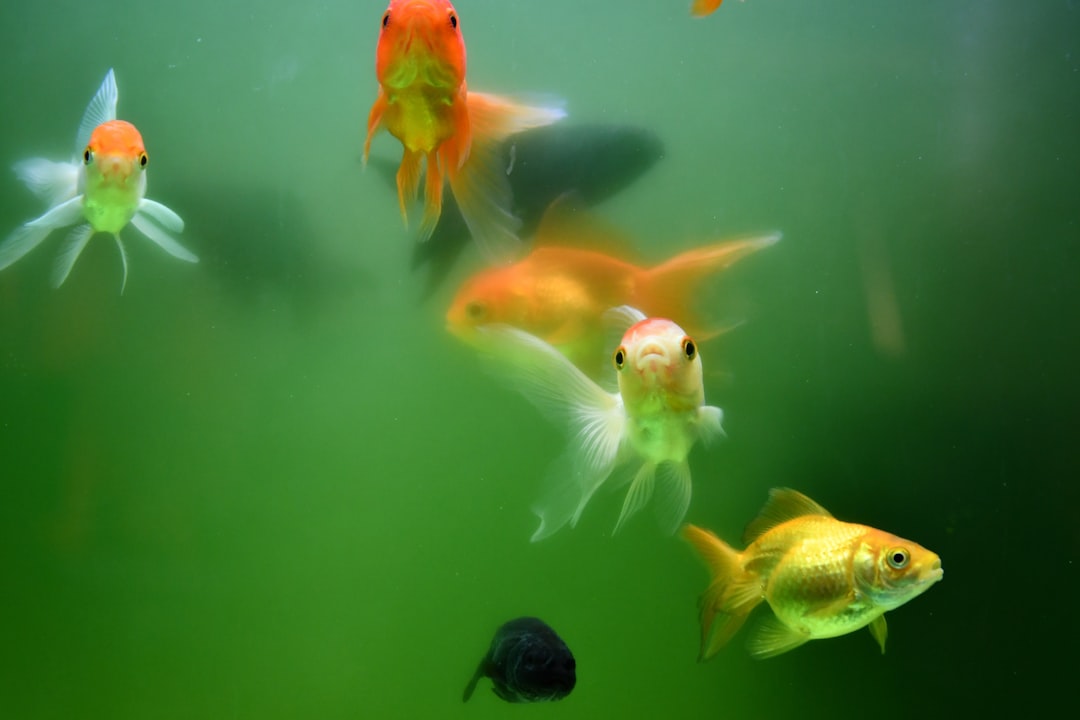
Two fish frequently sold under the vague label “algae eater” could not be more different once they mature. Understanding the chinese algae eater vs siamese algae eater distinction is essential before adding either to a community tank. Gensou Aquascaping at 5 Everton Park, Singapore, has seen countless hobbyists learn this the hard way — this guide, backed by over 20 years of hands-on experience, lays out the behavioural and dietary differences that matter most.
Species Profiles at a Glance
The Siamese algae eater, Crossocheilus oblongus, originates from flowing rivers across Thailand and the Malay Peninsula. Adults reach around 14 cm and retain a calm, shoaling disposition. The Chinese algae eater, Gyrinocheilus aymonieri, comes from streams in Thailand, Laos, and Vietnam. It can exceed 20 cm and undergoes a dramatic personality shift as it grows — from a diligent grazer to an aggressive, mucus-feeding bruiser.
Juvenile Behaviour: The Deceptive Stage
At 3–5 cm, both species look like industrious cleaners, rasping algae off glass and hardscape with apparent enthusiasm. This is the stage at which most hobbyists buy them, and it is exactly why so many people end up with the wrong fish. Juveniles of both species tolerate tank mates, stay busy, and cause no obvious trouble. The problems surface later.
In Singapore’s local fish shops, juvenile Chinese algae eaters often sit in the same sales tank as SAEs, priced a dollar or two cheaper. Always check the mouth — a sucker disc means Gyrinocheilus.
Adult Behaviour and Aggression
SAEs mellow out as they age. They become faster swimmers and may chase each other briefly during feeding, but aggression toward other species is rare provided the tank offers 120 litres or more. Chinese algae eaters take the opposite path. Adults claim territories fiercely, charging at fish twice their size and latching onto slow-moving species like discus, angelfish, and goldfish to rasp their slime coat. Injuries and secondary infections often follow.
If your Chinese algae eater already exceeds 10 cm and is showing aggression, rehoming to a large semi-aggressive cichlid tank is often the kindest solution — Carousell and local hobbyist groups on Telegram can help find a suitable new home.
Algae Diet Comparison
Here is where the chinese algae eater vs siamese algae eater debate is settled decisively. SAEs eat soft green algae, hair algae, and black beard algae — the last being notoriously resistant to most biological controls. They continue grazing into adulthood as long as you do not overfeed prepared foods. Chinese algae eaters stop eating algae almost entirely beyond 8 cm, preferring flake food, pellets, and the slime coats of tank mates. Any algae-cleaning benefit disappears within months of purchase.
Tank Requirements
SAEs do well in planted community tanks of 120 litres and above, kept in groups of three to five. They appreciate moderate flow and open swimming space near the midwater level. Chinese algae eaters demand even more room — 150 litres minimum for a single adult — and dense visual barriers to reduce territorial aggression. In Singapore’s HDB flats, a 120-litre tank on a proper stand is manageable; a 200-litre setup for a single aggressive fish is a harder sell.
Both species prefer water at 24–28 °C, which matches Singapore’s ambient temperatures well enough that a heater is rarely needed. A fan or clip-on chiller can help during extended heat waves when room temperature creeps above 30 °C.
Which One Should You Buy?
For algae control in a planted community, the SAE wins convincingly. It eats the toughest algae, stays relatively peaceful, and coexists with shrimp, tetras, and bristlenose plecos without drama. The Chinese algae eater is best left to specialists who can provide a large, species-appropriate environment. If you already have one causing problems, early rehoming prevents stress injuries to other fish.
Feeding Tips for SAEs
Keep prepared food portions small — one pinch of sinking pellets or blanched courgette daily is plenty for a group. Hungry SAEs graze algae more diligently. Supplement with occasional frozen bloodworm or daphnia for variety. Overfeeding is the fastest way to turn an algae eater into a lazy bottom-sitter, regardless of species.
Related Reading



