
Shubunkin Goldfish Care Guide: Calico Colour for Ponds
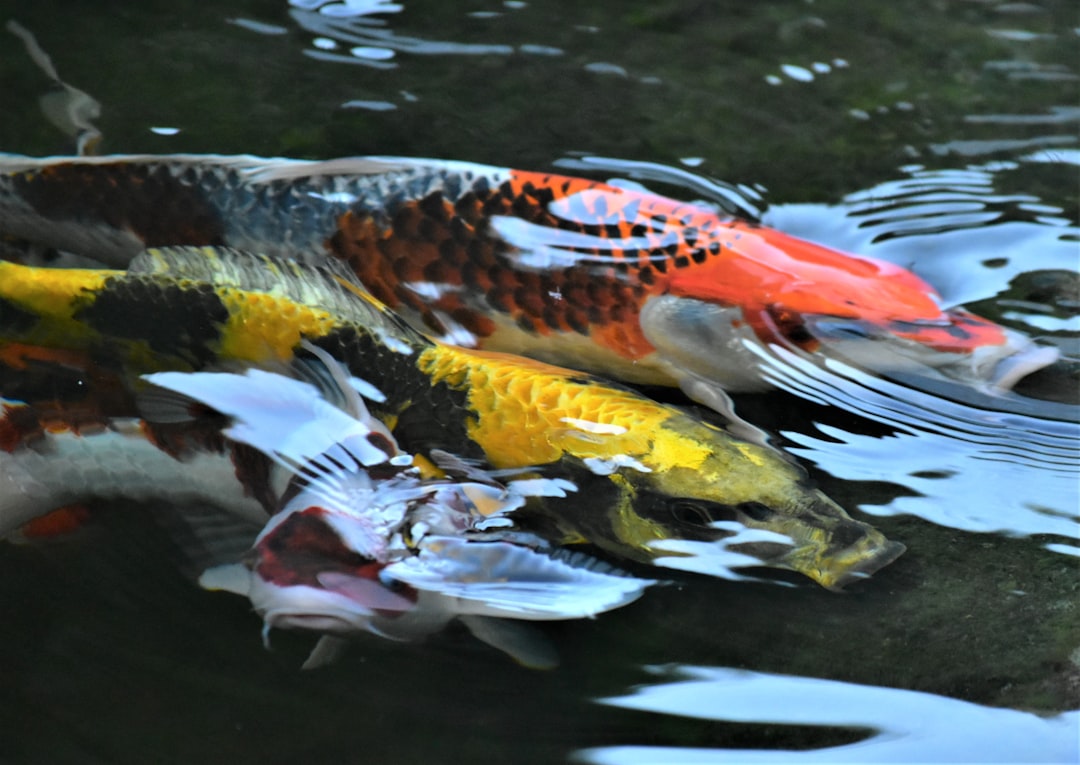
If you want a goldfish that rivals koi in colour but thrives in a smaller outdoor setup, the Shubunkin deserves your attention. This shubunkin goldfish pond care guide from Gensou Aquascaping Singapore covers everything from pond sizing to feeding, helping you enjoy these calico beauties in our tropical climate. Hardy, active and endlessly varied in pattern, Shubunkin are ideal for Singapore hobbyists with limited garden space.
What Is a Shubunkin
Shubunkin are single-tailed goldfish (Carassius auratus) with a calico colour pattern—a mix of blue, red, orange, white and black spread across semi-transparent (nacreous) scales. Three main types exist: London Shubunkin (short, rounded fins), Bristol Shubunkin (large, heart-shaped tail) and American Shubunkin (longer, pointed tail). The London type is most commonly available in Singapore pet shops and online via Shopee and Carousell.
Pond Size and Setup
Shubunkin grow to 20–30 cm and are energetic swimmers, so a pond of at least 500 litres suits a small group. For a more substantial colony, 1,000–2,000 litres is ideal. Unlike koi, Shubunkin do not need extreme depth—60–80 cm works well for Singapore’s climate. A simple above-ground fibreglass tub on an HDB ground-floor patio or a lined in-ground pond in a landed garden both work beautifully.
Be mindful of NEA mosquito breeding regulations: any standing water feature in Singapore must include fish or a pump that keeps the surface moving. Shubunkin themselves are enthusiastic mosquito larvae eaters, which helps you stay compliant.
Water Parameters
Singapore’s PUB tap water is soft and slightly acidic—acceptable for Shubunkin, though buffering to pH 7.0–7.4 with coral gravel improves long-term health. Temperature in outdoor ponds naturally sits at 27–31 °C, which is within the goldfish tolerance range. Dechloraminate all tap water before use. Maintain zero ammonia and nitrite; Shubunkin are less sensitive than koi but still suffer in polluted conditions.
Filtration Needs
A sponge filter or small external canister paired with a UV clarifier handles most Shubunkin ponds under 1,000 litres. Larger setups benefit from a dedicated pond filter with mechanical and biological stages. Goldfish are messy eaters, so over-filtering rather than under-filtering is the safer approach. Clean filter media in pond water—never tap water—to preserve beneficial bacteria.
Feeding
Feed a quality goldfish pellet or flake two to three times daily, offering what the fish consume in two minutes. Supplement with blanched peas, duckweed or bloodworms for variety. In Singapore’s warm climate, goldfish metabolism remains high year-round, so consistent feeding is important. Avoid overfeeding, which degrades water quality rapidly in smaller ponds.
Colour and Breeding
Shubunkin colour intensifies with age and good nutrition. The most prized specimens display heavy blue (asagi-like) base colouration. Breeding occurs readily in outdoor ponds when fish reach 10–12 cm. They scatter eggs on submerged plants or spawning mops, and fry hatch within four to five days at 28 °C. Be prepared for large spawns—goldfish are prolific, and calico patterns in offspring are unpredictable.
Compatibility
Shubunkin mix well with comets, common goldfish and other single-tailed varieties. Avoid housing them with fancy goldfish like Ranchu or Orandas, whose slow swimming makes them poor competitors for food. Small koi can coexist with Shubunkin in larger ponds, though the koi will eventually outgrow and dominate the space.
Related Reading
Comet Goldfish Care Guide: Fast and Hardy for Outdoor Ponds



