
Coral Pellet Foods Deep Dive: Reef Chili vs NLS vs TDO
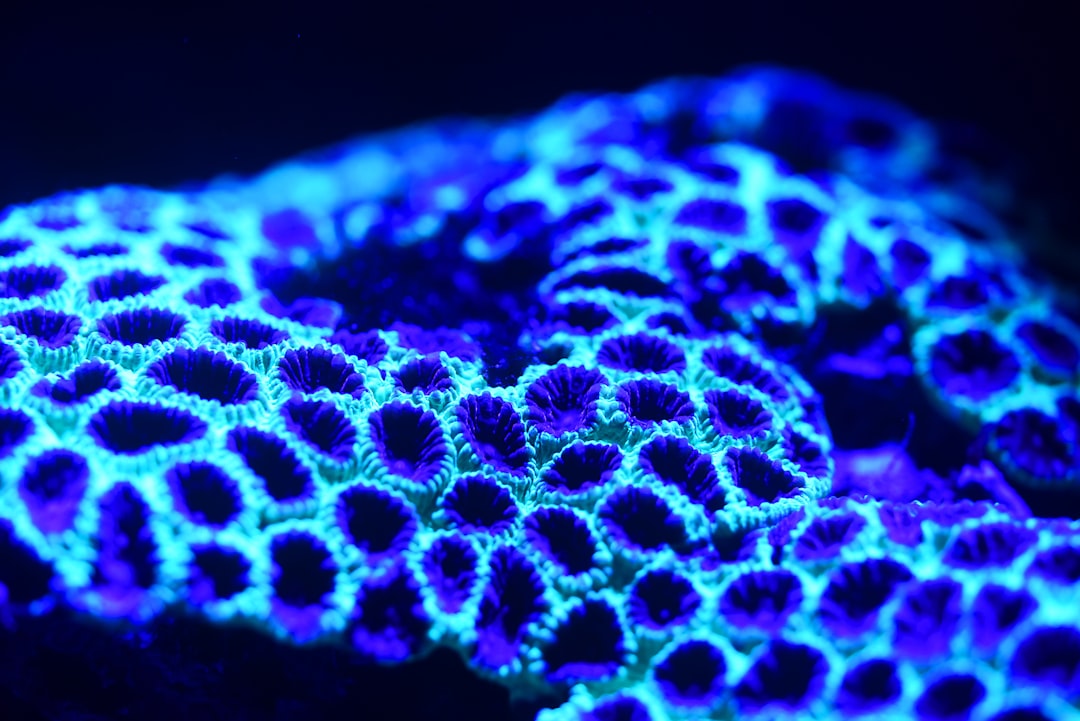
Pellet coral foods occupy the awkward middle ground between powdered zooplankton blends and frozen mysis, and most reefers own three bottles without realising how differently each one behaves underwater. This coral pellet foods deep dive compares the three brands you will actually find on a Singapore reef shelf: Bulk Reef Supply Reef Chili, New Life Spectrum Ice Prime and Reef Nutrition TDO Chroma Boost. Gensou Aquascaping at 5 Everton Park has trialled all three across mixed LPS systems, SPS-dominant tanks and high-flow nano cubes to separate marketing from measurable response.
Why Pellet Form Matters
Pellets sink predictably, release a concentrated nutrient plume at the strike zone and avoid the cloud effect that powders produce. That matters when you are target feeding a specific LPS head without dosing the whole system. It also means a stray pellet missed by the coral tends to land intact and rot rather than dissolve harmlessly, which is why pellet foods reward accurate aim and penalise lazy dosing. The target feeding guide covers baster technique in detail.
Reef Chili: The Broadcast Specialist
Reef Chili is technically a finely ground powder rather than a true pellet, but it deserves inclusion because most reefers treat it as a dosed product. Particles sit between 50 and 250 microns, a range that captures nearly every coral mouth from acans to goniopora. The ingredient profile leans on krill, oyster eggs, rotifers and spirulina, which produces the strong feeding response reefers describe. A 28 g tub retails around $42 at Iwarna and lasts roughly four months on a 300 litre mixed reef.
NLS Ice Prime: The Frozen Alternative
New Life Spectrum Ice Prime is not a dry pellet; it ships frozen as a gel cube that you scrape into pellet-sized fragments before feeding. Each fragment holds together in the flow for long enough that anemones and large LPS can grab it, unlike powders that scatter. The marine protein base is supplemented with krill, squid, fish oil and garlic. Our frozen food guide covers thaw protocol, which matters more for Ice Prime than for standard mysis because the gel matrix changes texture if refrozen.
TDO Chroma Boost: The Sized Pellet Range
Reef Nutrition TDO Chroma Boost is what most people mean by a true coral pellet. It comes in graded sizes from A1 at 300 microns to C2 at 1800 microns, letting you match the pellet to the coral mouth rather than hoping for the best. The astaxanthin content is aggressive, which translates to measurable orange and red pigment gain in clownfish and anthias over a two-month feeding window. A 71 g pouch runs $38 to $45 and is widely stocked.
Particle Size Matching
Acropora polyps max out near 300 microns, so A1 TDO or Reef Chili sit in their range while B1 and above simply bounce off. Euphyllia, chalices and acans accept 800 to 1500 microns comfortably, which is TDO B2 territory. Large mouths such as Scolymia and Trachyphyllia can swallow C2 pellets whole. Our LPS meaty food placement guide walks through mouth anatomy and why oversizing wastes food.
Ingredient Quality and Attractants
All three products rely on marine protein bases, but the attractant chemistry differs. Reef Chili leans on oyster eggs, which release amino acids that corals detect quickly. TDO uses a Haematococcus-derived astaxanthin along with krill hydrolysate. Ice Prime relies on fish oil and garlic. In pure feeding-response terms across a test acan garden, Reef Chili triggered extension first, TDO second, Ice Prime last, though Ice Prime held the most food over long flow exposure.
Nutrient Load and Phosphate
Every gram of coral food adds inorganic phosphate after digestion. Reef Chili at its label dose on a 300 litre tank typically adds 0.02 to 0.04 ppm phosphate weekly that must be exported. TDO pellets, being more concentrated per particle, add slightly less because the amount you physically dose is smaller. Ice Prime sits in the middle. If your baseline sits above 0.08 ppm already, any of these foods will push you into nuisance algae territory; the SPS coloration chemistry article explains the export balance.
Dosing for SPS-Dominant Tanks
SPS tanks running lean nutrient protocols need small, frequent doses rather than weekly broadcasts. A pinch of Reef Chili or ten TDO A1 pellets, dosed daily with pumps off for five minutes, produces visibly fatter polyps within three weeks without crashing nutrients. Ice Prime is usually too rich for this use case and should be reserved for LPS or fish feeding.
Dosing for LPS-Dominant Tanks
LPS tanks tolerate and reward more food than SPS systems. Direct pipette feeding of Reef Chili slurry to individual heads twice weekly, paired with TDO B2 pellets placed on tentacles once weekly, produces faster growth than either approach alone. Ice Prime fragments suit the hungriest corals: torches, hammers, frogspawns and any Trachyphyllia.
Singapore Storage Realities
Humidity destroys open pellet food inside a month. Store TDO and Reef Chili in airtight containers with a food-grade silica pack in an aircon-cooled room. Ice Prime must stay frozen; Singapore fridge temperature variation during daily openings degrades texture within weeks if you store it in the door. The fish food storage guide covers rotation and dating for tropical climate kitchens.
Which to Buy First
For a mixed reef of 200 to 400 litres, TDO in A1 and B2 sizes covers 80 per cent of coral feeding needs with the least mess. Reef Chili earns its place as a secondary broadcast when you want to hit polyp extension across the whole tank at once. Ice Prime is optional, useful primarily if you also want to feed the fish rather than only the corals. Buying all three before trialling one is how pantries fill up with half-used bottles.
Related Reading



