
LPS Coral Meaty Food Placement Guide: Mouth Placement
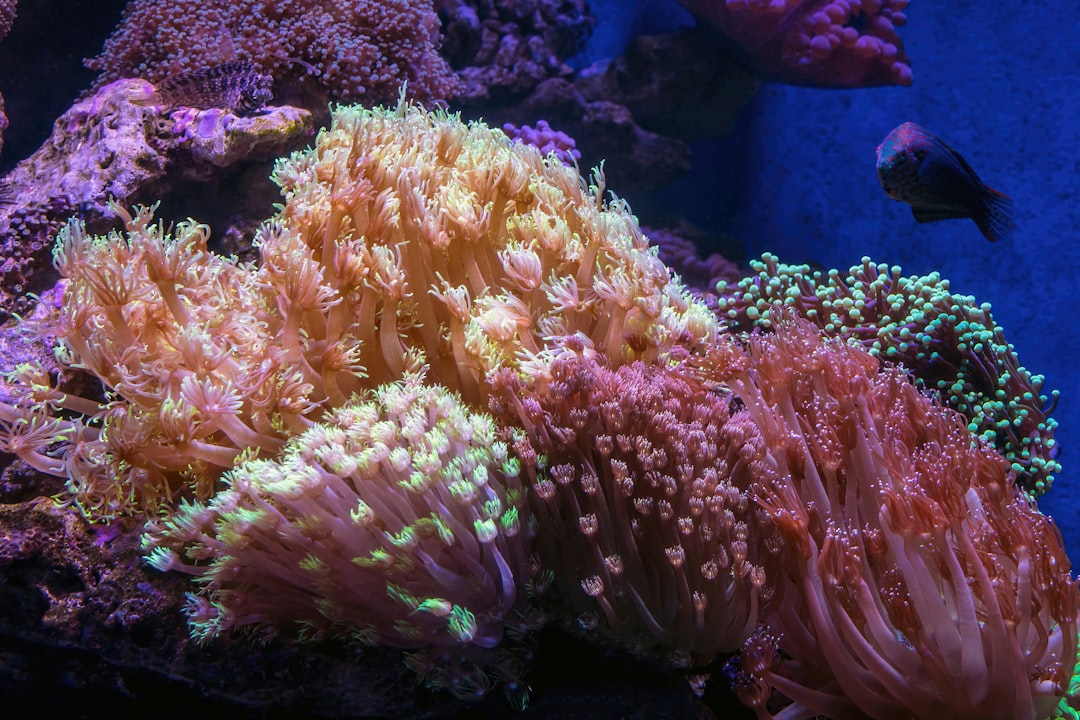
A well-fed LPS garden is the difference between corals that merely survive and corals that visibly grow month on month, and almost all of that difference comes down to whether the food actually reaches the mouth. This LPS coral meaty food placement guide explains why target feeding the tentacles is not the same as feeding the coral, and how to read mouth openings across euphyllia, acans, chalices and Trachyphyllia. Gensou Aquascaping at 5 Everton Park has spent years refining pipette routines for Singapore HDB reef keepers working with small volumes and limited patience.
Why Tentacle Capture Is Not Enough
Many reefers assume a piece of mysis caught on tentacles equals a fed coral. In practice, LPS tentacles transport food toward the central mouth using ciliary action, and in strong flow or on older polyps that transport fails. The food either dislodges and feeds a wrasse instead, or sits on the tentacles until it rots against the tissue. Direct mouth placement removes both failure modes and cuts wasted food by half.
Reading the Mouth on Common LPS
Euphyllia hammers and torches hide the mouth at the base of the tentacle clusters; wait for the pink or green central disc to open, then drop food directly onto it. Acans display one visible mouth per polyp, usually in the centre of a colour ring, and it opens wider as it senses food in the water. Trachyphyllia have a single large mouth per lobe that can swallow a whole krill. Chalices have multiple tiny mouths across the encrusting surface, each requiring its own pellet placement.
Pipette Selection and Technique
A 10 ml glass or rigid plastic pipette with a long narrow tip works better than the bulb basters most shops sell. The narrow tip lets you nudge tentacles aside rather than displacing the whole polyp with a flow blast. Squeeze slowly, hover the tip 2 to 3 cm above the mouth, and release food in a controlled plume rather than a jet. C328 Clementi and Iwarna both sell lab-style pipettes for around $4 to $8. Our target feeding guide covers pipette angles in more detail.
Preparing the Food
Frozen mysis or chopped krill rinsed briefly in tank water delivers better than straight-from-frozen blocks because excess fluid carries phosphates and degraded proteins. Pellet foods such as TDO and Reef Chili work best rehydrated for two minutes in a small cup of tank water before placement. Food temperature should match tank temperature within a degree; ice-cold food briefly shocks polyp tissue and can trigger retraction.
Flow Management Before Feeding
Kill the return pump and powerheads at least thirty seconds before feeding so the water stops moving. LPS polyps extend tentacles more fully in still water, and placement accuracy jumps. Set a timer for eight to ten minutes with pumps off; any longer and the tank loses gas exchange noticeably. A controller with a feed mode, as covered in our reef automation guide, automates the pause.
Order of Feeding
Feed the slowest-responding corals first because fast feeders will monopolise food if you let them. Chalices and Scolymia sense food slowly but eat aggressively once the mouth opens, so give them a two-minute head start while euphyllia and acans extend tentacles. Torch corals and hammers come last; they grab food quickly and rarely drop it.
Food Volumes Per Coral
A medium Scolymia or Trachyphyllia takes two to three whole mysis per feeding, once or twice weekly. Each euphyllia head handles one mysis or half a krill per session, twice weekly. Acans thrive on smaller, more frequent doses, with four to six pellets per colony three times weekly. Overfeeding a single head produces tissue sloughing at the mouth edge within a week; if you see the tissue pull back, halve the next dose.
Singapore Water Temperature Considerations
Warm tropical reef tanks sit at 25 to 26 degrees when well chilled, but many Singapore reefers run slightly warmer during afternoon peaks. Coral metabolism rises with temperature, so a 27 degree system consumes more food and more oxygen than a 25 degree one. Time meaty feeds for the morning or late evening when temperatures are coolest, avoiding the 2 to 4 pm peak when dissolved oxygen bottoms out.
Night Feeding for Reluctant Corals
Some LPS, particularly plate corals and older Trachyphyllia, feed far more readily after lights-out. A blue-only moonlight channel at 10 per cent intensity lets you see without stimulating pump-off photosynthesis. Drop the food, wait fifteen minutes in the dim blue, and the polyps fully engulf meals that they would reject under daylight. Red torch lights work too but avoid white LEDs which retract most LPS.
Avoiding Aggression Between Corals
Feeding stimulates sweeper tentacles in species such as galaxea and large frogspawns, and neighbouring corals within 10 cm can get stung during the response. The coral aggression guide covers safe spacing. During feeding sessions, monitor which coral extends sweepers and consider moving aggressors further from their neighbours on the next aquascape refresh.
Signs of Overfeeding
Phosphate creep above 0.1 ppm, cyanobacteria patches in low-flow corners and brown polyp bases on otherwise healthy LPS all suggest the tank is taking in more than it can export. Scale back meaty feeding to weekly for a month while tracking test kit results. If the system stabilises on less food, maintain that rate and invest the saved food budget in better flow rather than more nutrition.
Related Reading



