
CPO Dwarf Crayfish Care Guide: Cambarellus Patzcuarensis Orange
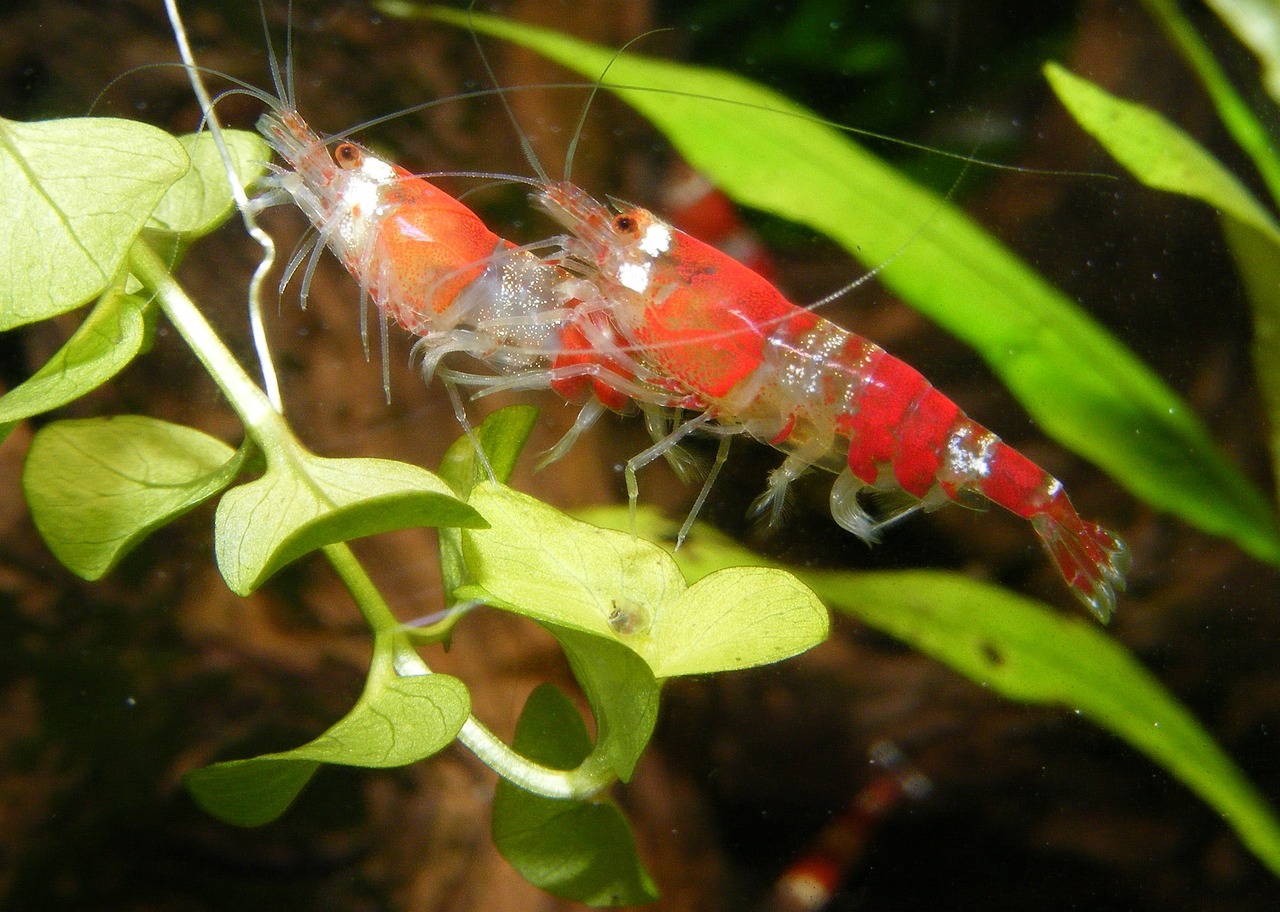
Most crayfish are wreckers, but the orange dwarf is the rare exception that earns a spot in a planted nano. This CPO dwarf crayfish care guide from Gensou Aquascaping at 5 Everton Park covers Cambarellus patzcuarensis var. orange — a peaceful 4cm Mexican species that ignores stem plants, plays nicely with most tetras, and breeds without effort. If you have wanted a crayfish but feared chewed Anubias and dismembered shrimp, the CPO is the species worth looking at.
Quick Facts
- Scientific name: Cambarellus patzcuarensis var. orange (CPO)
- Adult size: 3.5 to 5cm including claws
- Minimum tank: 30 litres for a pair, 60 litres for a small colony
- Temperature: 18 to 26°C — comfortable in unheated SG rooms
- Water: pH 6.8 to 8.0, GH 6 to 15, KH 3 to 8, calcium important for moulting
- Diet: omnivore — sinking pellets, blanched veg, occasional protein
- Lifespan: 1.5 to 2 years
Origin and Why CPO Behaves Differently
The wild form lives in shallow weedy margins of Lake Patzcuaro in central Mexico, picking biofilm and detritus rather than ambushing fish. The bright orange line was selectively bred in Germany in the early 2000s and is now the standard hobby strain. Because the species evolved among dense vegetation, it does not chop plants the way Procambarus or Cherax do. Anubias, bucephalandra, mosses, crypts and even fine-leaved stems are safe.
This is also one of the few crayfish you can keep with adult Neocaridina shrimp without immediate disaster. Juvenile shrimp will still occasionally vanish, so do not expect a breeding shrimp colony to thrive alongside them.
Tank Setup for a CPO Colony
A footprint of 45 by 30cm is enough for two or three pairs. The animals are bottom-dwellers, so floor area matters more than height. Provide one cave per crayfish — small terracotta pots, drilled coconut shells, or a stack of slate pieces all work. Without enough hides, even peaceful CPOs will skirmish during moults.
Substrate can be sand or fine gravel. Aquasoil is fine but the slightly acidic, low-mineral water it produces is suboptimal for shell formation, so dose a GH/KH booster or layer in some crushed coral if you go that route.
Water Parameters and Singapore Tap
PUB tap in Singapore runs soft (GH 2 to 4) and slightly acidic, which is too lean for crayfish exoskeletons. Cut tap with a remineraliser to GH 8 to 10 and KH 4 to 5, or add a small bag of crushed coral inside the filter. Temperature is rarely a problem — 27 to 28°C in an HDB living room is on the warm side but tolerated. A clip fan helps during the hot months. No heater needed.
Feeding
CPOs eat almost anything that sinks. A rotation of crayfish-specific pellets, Hikari sinking wafers, blanched spinach or zucchini, frozen bloodworm twice a week, and the occasional crushed snail shell for calcium covers all bases. Overfeeding fouls the substrate quickly because they hoard food in caves; a cube of bloodworm split between three animals is plenty.
Moulting and Calcium
Expect a moult every three to six weeks in adults, more often in juveniles. The shed exoskeleton must stay in the tank for at least 48 hours so the animal can re-ingest the calcium. A freshly moulted CPO is rubbery, pale and helpless — this is when cannibalism happens, so caves and cover are non-negotiable. Failed moults usually trace back to soft water, low calcium or a sudden temperature swing.
Breeding
Breeding requires no intervention beyond stable parameters. The female carries 20 to 60 eggs under her tail for three to four weeks, then releases miniature 4mm crayfish that immediately disperse. Survival in a community tank is low; move the berried female to a small breeder box with sponge filter and a bed of moss if you want a real harvest. The young eat baby brine shrimp, crushed pellet and biofilm.
Tank Mates
Stick with mid- and upper-water fish that ignore the bottom: ember tetras, chili rasboras, endlers, hatchetfish, sparkling gouramis. Avoid loaches, larger barbs and any cichlid. Bettas are a coin toss — some ignore CPOs, others harass them after every moult.
Singapore Sourcing and Legality
CPO is legal to keep in Singapore and widely available at the C328 Clementi cluster, Serangoon North Avenue 1 shops and on Carousell, typically $8 to $15 per juvenile. Note that AVS prohibits the release of any non-native species into local waterways, so never flush or dump unwanted stock. Rehome through hobby groups instead.
Common Problems
The two failures we see most often at the shop are soft-water moult deaths and sudden disappearances after introducing a new fish that nips claws. A third issue is missing legs from cohabitant aggression — these regenerate over two or three moults provided the animal can still feed. Persistent white fuzz at joints suggests a fungal issue, usually solved by improving water quality and a single methylene blue dip.
Related Reading



