
Electric Blue Crayfish Care Guide: Procambarus Alleni Husbandry
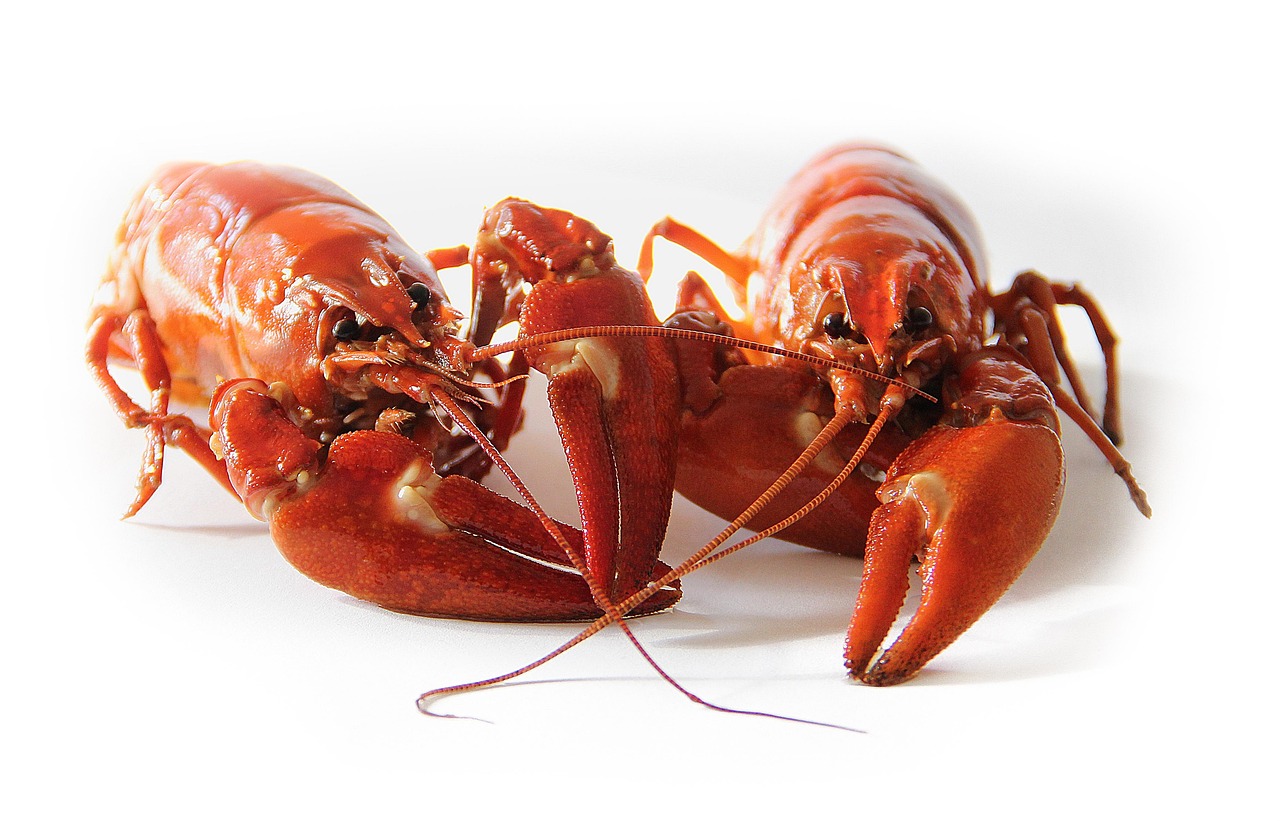
The electric blue crayfish lights up a tank with a colour intensity rare in freshwater invertebrates, but the species comes with strict husbandry rules around aggression, tank size, and the molting cycle. This electric blue crayfish care guide from Gensou Aquascaping in Everton Park covers Procambarus alleni, the Florida native that has become a hobby standard worldwide. Get the basics right and a single specimen will live three to five years as a striking centrepiece in a 60-litre tank.
Quick Facts
- Adult size 10-15 cm including claws; lifespan 3-5 years in captivity
- Minimum tank 60 litres for a single specimen, larger for any cohabitation attempt
- Lone keeping is strongly recommended — they are cannibalistic and territorial
- Molting cycle every 4-8 weeks; vulnerable for 24-48 hours after each molt
- Water temperature 18-26°C; tolerates Singapore ambient without heating
- Hard water with calcium for shell health; pH 7.0-8.0
- Omnivorous diet of pellets, blanched vegetables, and occasional protein
Species Origin
Electric blue crayfish are a colour morph of Procambarus alleni, native to Florida swamps and slow rivers. The wild form is brown; the brilliant blue captive line was selectively bred decades ago and has been the dominant trade form ever since. They are hardy adaptable invertebrates with one critical caveat: they are aggressive, cannibalistic, and territorial.
Singapore aquarium shops carry electric blue crayfish at prices from $25-60 depending on size. Captive-bred stock is widely available and preferred over wild-collected specimens.
Why Lone Keeping Matters
Two electric blue crayfish in one tank is a reliable recipe for one electric blue crayfish. They eat each other during molts, fight over territory, and stress one another even when not actively fighting. The only exceptions are large tanks (200+ litres) with extensive line-of-sight breaks and a male-female pair during a brief breeding period. For a single-tank pet, plan on one specimen.
This rule extends to other crayfish species — never mix species, never house multiples without an exit plan when fighting begins.
Tank Sizing
A single adult is content in a 60-litre tank measuring around 60x30x40 cm. Larger tanks give more territory for exploration and reduce stress, but the species does not need a vast footprint. Provide multiple hides — terracotta caves, PVC fittings, smooth rock crevices — to give the crayfish security and a defensible retreat.
The Molting Cycle
Crayfish grow by shedding their entire exoskeleton, including the lining of the gills and the claws. The molt happens every 4-8 weeks for adults, more frequently for juveniles. The 24-48 hours immediately after a molt are the most vulnerable period — the new shell is soft, the crayfish hides, and any tank mate (including fish or shrimp) becomes a potential predator.
Leave the discarded exoskeleton in the tank. The crayfish will eat it to recover the calcium and minerals. Removing it slows the next molt and weakens shell formation.
Water Parameters
Electric blue crayfish need hard water with adequate calcium for shell formation. Target GH 8-15, KH 4-10, pH 7.0-8.0, and temperature 18-26°C. Singapore tap water is too soft for them at GH 2-4, so add crushed coral, limestone chips, or a calcium supplement to raise hardness to a workable range.
A handful of crushed coral in the filter or as part of the substrate slowly dissolves over months and maintains stable hardness. Test GH and KH monthly to confirm levels.
Tank Setup
Bare bottom or smooth gravel substrate both work; avoid sharp aquarium gravel that catches on legs and damages the soft tissue between leg segments. Provide multiple hides at different elevations — a stack of large smooth rocks, terracotta caves, and PVC tubing all serve. The crayfish will rearrange decor regularly, so heavy stable pieces are best.
Live plants are usually destroyed. Crayfish either eat or uproot most aquatic plants. Hardy species like Anubias attached to driftwood occasionally survive, while floating plants like duckweed and water lettuce are tolerated as snacks.
Diet
Omnivorous diet built around quality sinking pellets — Hikari Crab Cuisine, Dennerle Crusta Sticks, or any sinking shrimp pellet works. Supplement weekly with blanched vegetables (zucchini, spinach, carrot) and occasional protein (frozen bloodworm, prawn pieces). Feed every 2-3 days, removing uneaten food within 24 hours.
Calcium-rich foods support the molting cycle. Cuttlebone left in the tank slowly dissolves and provides background calcium supplementation; one piece lasts months.
Filtration
Crayfish are messy. A canister filter rated 4-5x tank volume per hour or a hang-on-back of similar capacity handles a single specimen comfortably. Cover all filter intakes with sponge pre-filters — crayfish will explore intakes and lose claws or legs in unprotected impellers.
Tank Mates
The honest answer is none. Fish that swim too low are caught and eaten during the night, surface-dwelling fish are mostly ignored but stress the crayfish, and shrimp or snails are simply food. Some keepers maintain crayfish with very fast top-swimming fish like hatchetfish or pencilfish in large tanks, but losses are common. Single-species keeping is safest and the crayfish behaves more naturally without competition.
Singapore Husbandry Notes
The local 28-30°C ambient sits at the upper edge of the species’ comfortable range. Most setups manage without active cooling, but during prolonged hot periods a clip fan over the surface helps. The bigger local issue is water hardness — PUB tap water needs supplementation to reach the GH 8+ range crayfish need for proper shell development.
Common Health Issues
Failed molts are the most common cause of death, usually traced to inadequate calcium or sudden parameter shifts. Bacterial infections during the soft-shell period present as discoloured patches and require water quality correction rather than medication. Lost claws and legs regenerate over the next 1-2 molts as long as the underlying cause (usually fighting or filter intake injury) is removed.
Lifespan and Outlook
Three to five years is typical for well-kept electric blue crayfish. The species is hardy, the husbandry is straightforward, and a single specimen makes an excellent display animal in a small dedicated tank. Just remember the cardinal rule: one tank, one crayfish.
Related Reading
Blue Crayfish Care Guide
CPO Dwarf Crayfish Care Guide
Marbled Crayfish Care Guide
Cherax Quadricarinatus Redclaw Care
Cherax Destructor Yabby Care Guide



