
Dwarf Fuzzy Lionfish Dendrochirus Care Guide
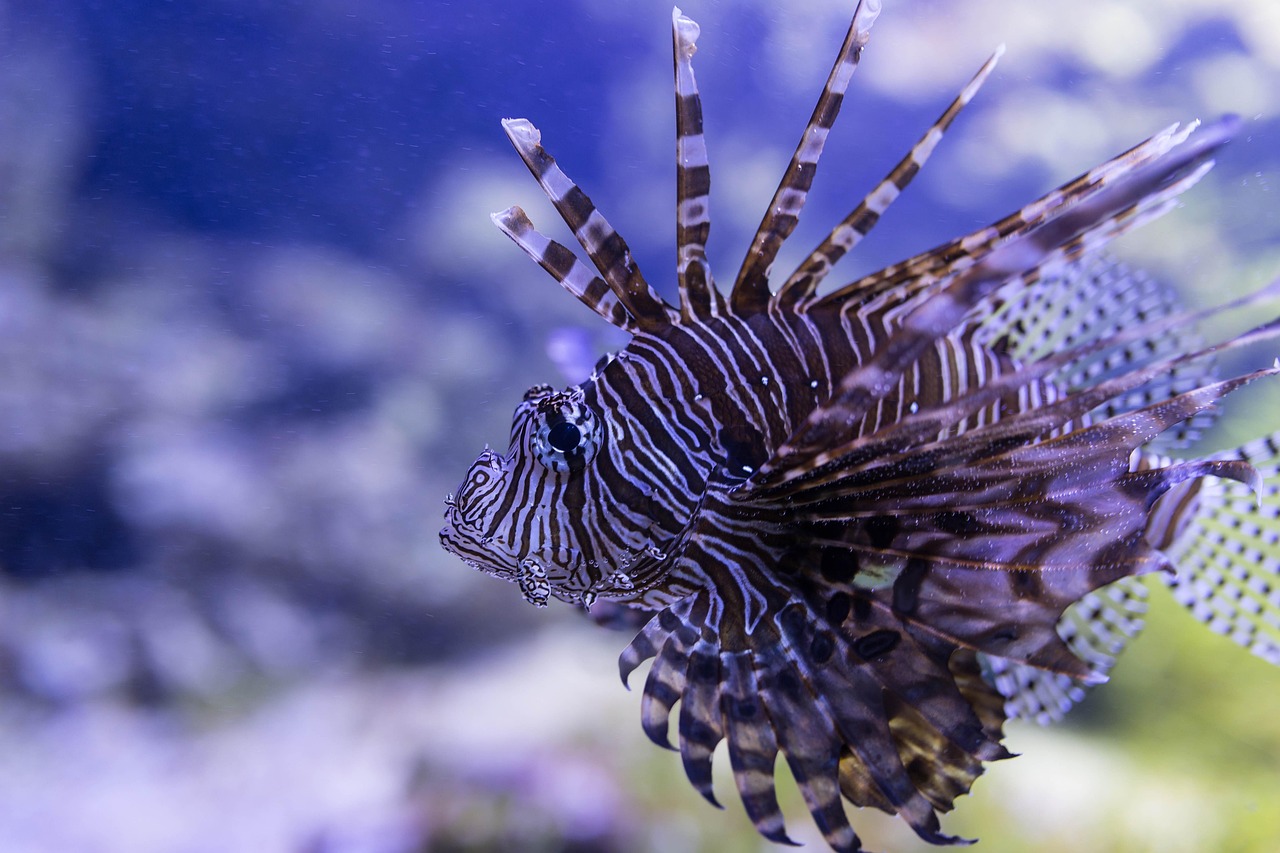
Few predators pack as much character into a 60 cm tank as Dendrochirus brachypterus, the dwarf fuzzy lionfish that hovers like a feathered helicopter and ambushes shrimp before you can blink. Solid dwarf fuzzy lionfish dendrochirus care rests on three pillars: enough swimming volume despite the species’ small adult size, a feeding plan that weans them off live food, and respect for the venomous dorsal spines tucked under those ornamental fins. This guide from Gensou Aquascaping at 5 Everton Park draws on a decade of stocking dwarf lions for Singapore reef hobbyists, including notes on what to expect from the marine shops along Pasir Ris Farmway and the boutique reef stores around Tampines.
Species Snapshot and Identification
Dwarf fuzzy lions cap out around 17 cm, much shorter than the volitans giants but with the same exaggerated pectoral fans. The “fuzzy” tag comes from the cirri scattered along the head and pectoral rays, useful for breaking up the silhouette in rubble zones. They occur naturally across the Indo-Pacific, including reefs around Bintan and Tioman, which means specimens reaching Singapore have travelled relatively short distances and tend to acclimate well compared to Caribbean imports.
Tank Size and Aquascape Layout
Despite the dwarf label, anything under 90 litres makes the fish feel pinned to one corner. We aim for 120 litres minimum with a footprint of at least 60 by 45 cm. Hardscape should provide multiple overhangs for daytime resting, and open swimming lanes for evening hunts. Borrow ideas from our aquascape marine nano cube all in one walkthrough if you are working with an AIO body, and add deeper rock caves than a typical reef build calls for.
Water Parameters and Singapore Climate
Target salinity 1.025 SG, temperature 24 to 26 degC, ammonia and nitrite undetectable, nitrate below 15 ppm. The narrow temperature window is the killer in HDB flats: ambient runs 28 to 32 degC, so a chiller is mandatory. Our nano reef chiller selection singapore piece covers BTU sizing for the 120 to 200 litre bracket most dwarf lion keepers occupy. Skip the chiller and you will see laboured breathing, stress bands and eventually bacterial infections within weeks.
Feeding Strategy From Live to Frozen
Wild dwarf lions hunt small crustaceans and juvenile fish. New imports almost always demand live ghost shrimp or feeder mollies for the first fortnight. Transition them by tong-feeding live food first, then introducing thawed mysis or silversides on the same forceps once a feeding rhythm is established. Most individuals convert within four to six weeks; a stubborn handful never do, which is why you should test feeding behaviour at the shop before paying. Our brine shrimp hatching feeding guide helps with the smallest gape sizes during quarantine.
Venom Awareness and Handling
Every dorsal, pelvic and anal spine carries proteinaceous venom. A sting will not kill a healthy adult, but it produces searing pain for hours and warrants a hot-water immersion at 45 degC followed by an A&E visit if symptoms escalate. Never net a dwarf lion bare-handed; use a clear acrylic specimen container and slide it under the fish. Tank maintenance means long tongs, no hand-in-tank scrubbing, and clear communication with anyone else in the household. Children and curious pets do not belong near the rim.
Tank Mate Selection
The mouth gape is the rule: anything that fits will be eaten. Cleaner shrimp, peppermints, sexy shrimp and small gobies are all on the menu. Safer companions include tangs, larger wrasses, foxfaces and adult clownfish that exceed the lion’s gape. Avoid aggressive triggers and large groupers that may bully the lion off food. For inspiration, cross-check our reef safe fish list 2026 and filter by adult size.
Quarantine Protocol
Lionfish are notorious carriers of marine ich and velvet because their thick mucus hides early signs. A 30-day quarantine in a bare-bottom 60 litre tank with PVC caves is non-negotiable. Run copper at 2.0 ppm chelated, monitor with a Hanna checker, and observe feeding daily. Walk through the full sequence in our how to quarantine marine fish complete guide. Skipping QT is the single most common cause of sudden display-tank wipeouts we see locally.
Behaviour and Photoperiod
Dwarf lions are crepuscular, hunting most actively at dawn and dusk. A ramped LED schedule with a long blue-only period at the bookends of the day mirrors natural light and prompts hunting behaviour. Expect the fish to spend daylight hours wedged sideways under an overhang, fins draped like a cloak. That posture is normal; a lion swimming circles in open water is usually stressed or starving.
Singapore Sourcing and Pricing
Dwarf fuzzies show up at marine specialists like Reef Depot, Iwarna’s saltwater bays, and the Pasir Ris Farmway shops every few months. Expect $80 to $150 per fish depending on size and colour morph; the rare yellow phase commands $250 and up. Confirm the shop has fed the fish on frozen at least once before you commit. Avoid Aquarama show-floor purchases where stress from transport and crowds compounds quickly.
Long-Term Health Markers
A healthy dwarf lion holds upright posture, fans pectorals symmetrically, and tracks movement outside the glass with both eyes. Watch for clamped pelvic fins, a darkening base colour or refusal to feed for more than five days. Lateral line erosion is common in tanks with high stray voltage or persistent low pH, so a titanium grounding probe and weekly alkalinity check pay off across the years these fish can live in captivity, often six to eight under good husbandry.
Related Reading



