
Sargassum Frogfish Histrio Care Guide
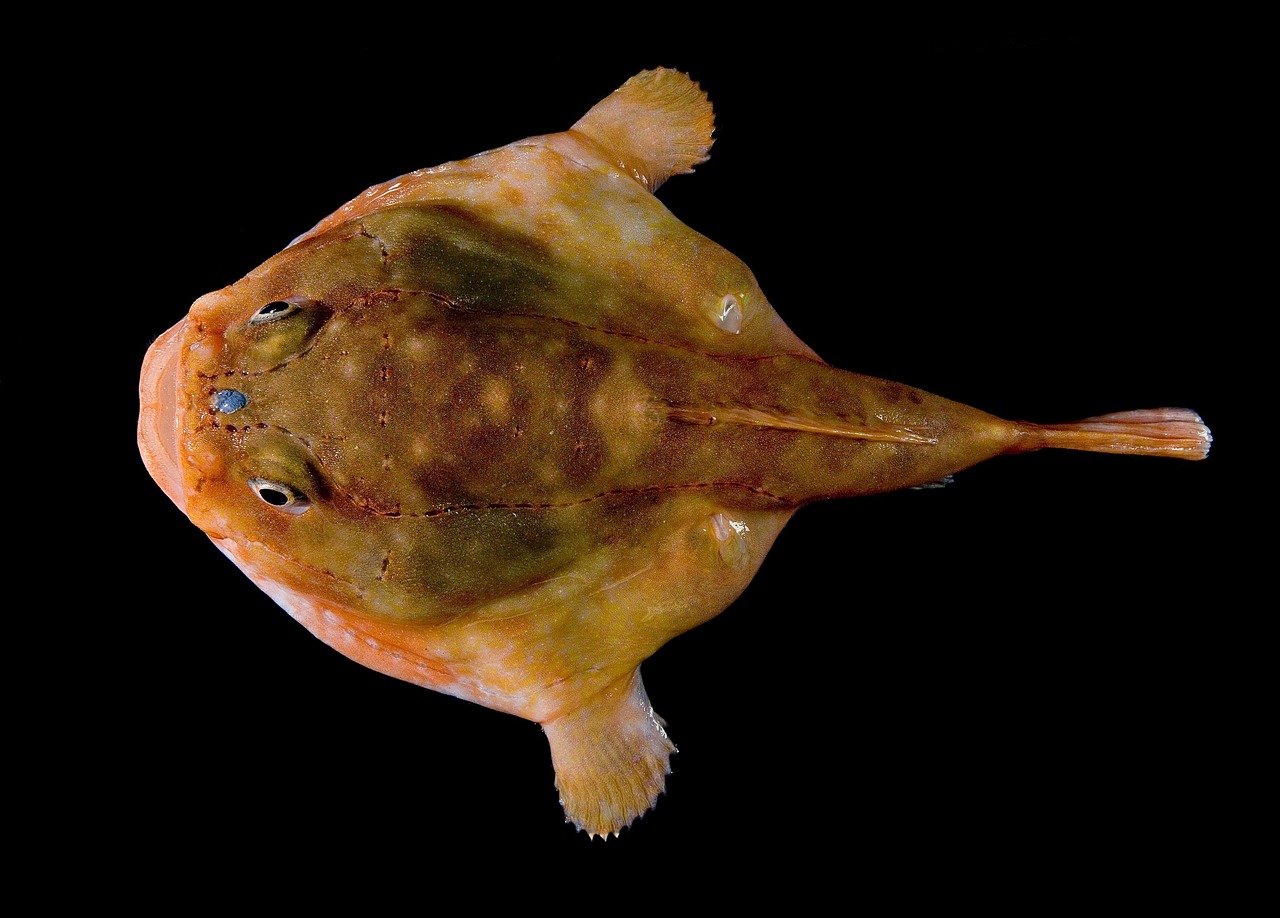
The sargassum frogfish, Histrio histrio, is the only true pelagic anglerfish, riding rafts of Sargassum seaweed across open ocean while ambushing anything that fits in its enormous mouth. Successful sargassum frogfish histrio care requires you to recreate that floating canopy in a closed system, accept their boom-or-bust feeding habits, and source captives that have already weaned onto frozen food. This guide from Gensou Aquascaping at 5 Everton Park draws on conversations with the half-dozen Singapore reefers who have kept this species long enough to share notes, plus our own grow-out work after Iwarna received a small consignment in 2024.
Why Histrio Is Different From Other Frogfish
Other frogfish lurk on rubble bottoms and benthic sponges. Histrio inhabits the top 30 cm of open water, gripping floating vegetation with its prehensile pectoral fins. Cryptic colouration ranges from olive to mustard yellow with stippled false eye spots that mimic Sargassum bladders. The whole physiology assumes light from above, drift below, and zero need to perch on substrate. Replicating that vertical orientation matters more than any other husbandry decision.
Tank Configuration for Floating Habitat
A 90 litre rimless cube with a tall water column suits a single specimen better than a long, shallow reef. Skip rockwork on the bottom and instead suspend artificial Sargassum or salt-cured Caulerpa rafts from the surface using monofilament. The fish will spend 90 percent of its time tucked into the canopy. Cross-reference our marine aquascape negative space design notes for ideas on creating uncluttered swimming volumes that suit pelagic species.
Water Parameters and Temperature Control
Salinity 1.024 to 1.026, temperature 25 to 27 degC, pH 8.1 to 8.4, nitrate under 10 ppm. Histrio tolerates a slightly warmer ceiling than most reef fish because its native floating mats sit in tropical surface water. Even so, Singapore ambient still pushes too high without a chiller; budget for a 1/10 HP unit at minimum. Our marine aquarium water changes schedule is a sensible starting frame for the 15 percent weekly cadence we recommend.
Feeding the Ultimate Ambush Predator
Frogfish feeding is theatrical. The mouth opens to roughly 12 times resting volume in under six milliseconds, sucking in prey that often equals its own body length. Fresh imports demand live ghost shrimp or mollies; weaning to frozen silversides on a feeding stick takes patience and usually two months. Feed only once every three to five days, never daily. Overfeeding is the most common killer because frogfish lack any “I am full” signal and will literally eat themselves to death. The principles in our live food vs dry food aquarium piece apply here in spades.
Tank Mate Reality
Histrio is best kept solo. Anything small enough to fit in the gape, including cleaner shrimp, juvenile clowns and small wrasses, is food. Anything large enough to nip its dorsal lure or outcompete it for tongs-fed mysis is a stressor. Even other frogfish frequently cannibalise. The species earns a single-specimen display tank, which is a hard sell in a hobby that loves stocking lists, but it produces the longest lifespans.
Quarantine Considerations
Frogfish skin is sensitive to copper at therapeutic doses. We use the tank transfer method or hyposalinity rather than chelated copper. Walk through the alternatives in tank transfer method marine quarantine and hyposalinity marine fish treatment. A 30-day observation in a bare-bottom 40 litre QT with a single Sargassum raft suffices for most parasite issues, plus daily feeding observation to catch the all-too-common refusal-to-eat collapse.
Lighting and Aesthetics
Bright reef-grade lighting bleaches Histrio’s camouflage and stresses the fish. A modest 30 to 50 PAR at the surface, mostly warm white with a touch of blue, lets the colour patterning settle into deep ochre and brown. The fish does not need PAR for photosynthesis, only for visual feedback and prey hunting. Skip the macroalgae lighting overkill that nano reefers default to.
Lifespan and Growth Trajectory
In the wild, Histrio rarely exceeds three years; in captivity with steady feeding and clean water, four to five is achievable. Adults reach 18 cm but most captive specimens settle around 12 to 14 cm. Growth is rapid in the first six months, then plateaus. Watch for cloudy eye and fungal blooms on the chin barbel as ageing markers, both treatable with reduced bioload and clean water.
Singapore Sourcing Reality
Histrio is rarely listed because suppliers find them difficult to ship and shops do not bother stocking what they cannot move. When they do appear at boutique reef shops or on dedicated WhatsApp groups, expect $120 to $200 each. Aquarama occasionally features oddball booths where one or two surface; ask sellers how long the fish has been eating frozen and request a feeding demo. C328 Clementi will not stock these, but their staff sometimes know which marine specialist last received a shipment.
Ethics and Sustainability
Sargassum frogfish are not threatened, but their floating mat habitat is impacted by ocean plastic and Atlantic Sargassum bloom collapses. If you keep one, commit to its full lifespan. Rehoming a frogfish midway is brutal because of feeding-pattern resets, and the secondary market is virtually non-existent. Buy once, keep well, and you preserve a species worth understanding rather than spectating.
Related Reading



