
Leporinus Leporellus Care Guide: Banded Headstander
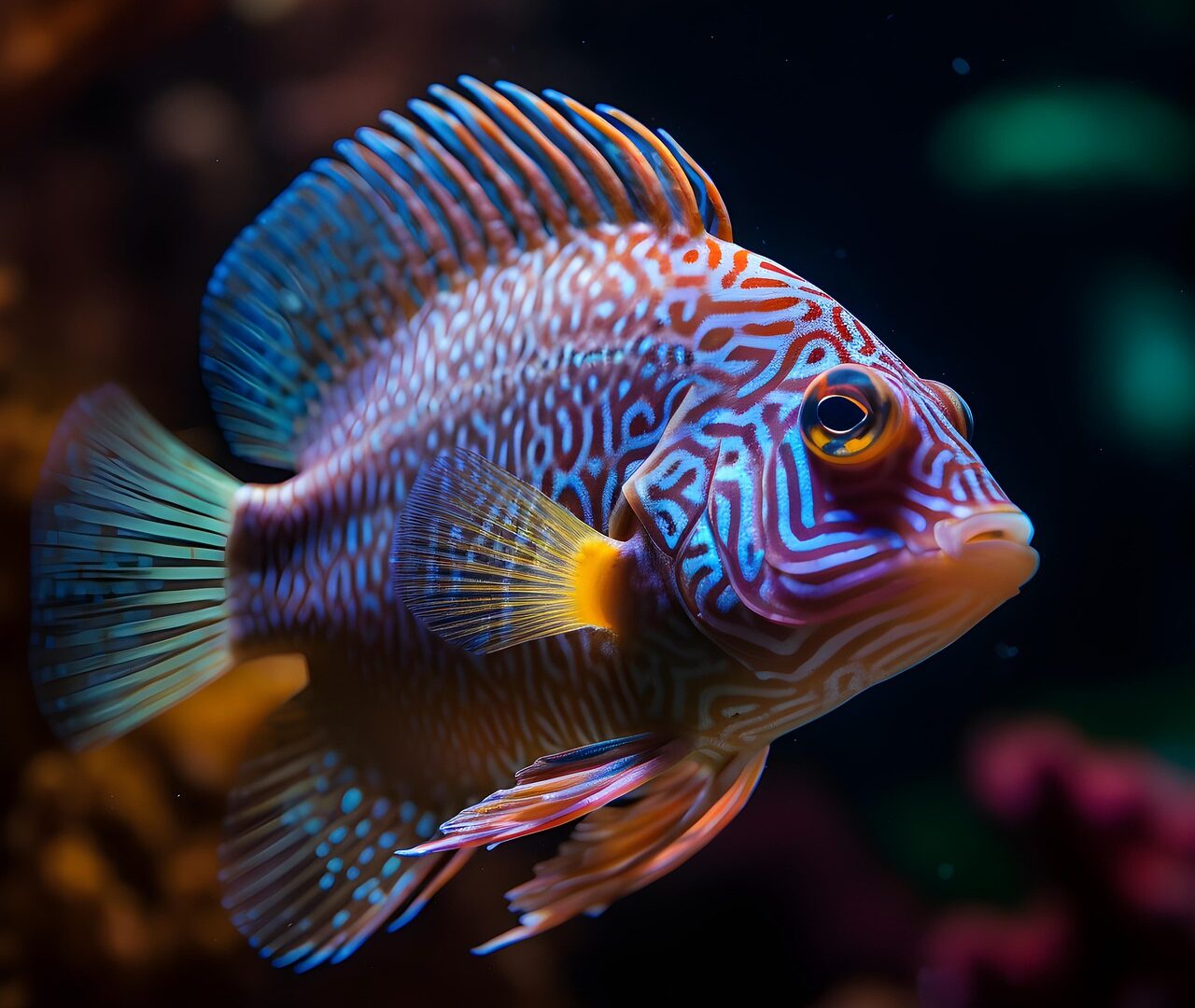
Striking black-and-cream banded flanks set against a torpedo-shaped body explain why Leporinus leporellus keeps appearing on shop wishlists despite its reputation as a serious plant chewer. A practical leporinus leporellus care guide needs to address the species’ jumping ability, fin-nipping tendencies and obligate shoaling behaviour, all of which trip up keepers expecting a peaceful community fish. This guide from Gensou Aquascaping at 5 Everton Park covers what we have learned setting up Leporinus tanks for South American specialists across Singapore, including the lid security and aquascape choices that make the species manageable.
Identifying True L. leporellus
Multiple banded Leporinus species enter the trade and shop labels are notoriously inconsistent. L. leporellus reaches 22 to 25 cm with seven to nine vertical black bands on a cream body, smaller than the more common L. fasciatus at 30 cm. Confirm scientific name and band count before purchase since adult sizes and aggression levels differ significantly between species. Younger fish show more contrast; older specimens fade slightly with age but remain recognisable.
Shoaling and Aggression Patterns
Leporinus is an obligate shoaling species that becomes intolerable as a single fish or small group of two or three. Plan for six to eight individuals minimum to disperse intra-shoal aggression and reduce fin nipping toward tank mates. Single specimens often kill or seriously injure compatible tank mates within weeks. Larger shoals of ten or more behave noticeably better and reduce stress-related colour fading. This rule sounds counterintuitive but holds across all banded Leporinus species.
Tank Size and Footprint
A working shoal of six adult L. leporellus needs a 180 cm tank around 600 to 700 litres for adequate swimming length. The species is fast and active, patrolling the open water column rather than hiding. Singapore HDB keepers face structural floor planning at this scale; position large tanks against load-bearing walls. Smaller 150 cm setups can host juveniles for 12 to 18 months but adults outgrow comfortably.
Lid Security Is Non-Negotiable
Leporinus jumps powerfully, often clearing tanks during feeding excitement or when startled by sudden lights. A heavy fully-fitted lid with no gaps is essential; loose-fitting glass tops fail eventually. We have seen fish jump 1 metre from open tanks during HDB thunderstorms. Use mesh-reinforced glass lids or polycarbonate sheets cut to fit tightly, weighted at corners. Skip rimless tanks unless you accept eventual loss of fish to carpet surfing.
Soft Water Suits Singapore Tap
Native to Amazon and Orinoco tributaries, L. leporellus tolerates pH 5.5 to 7.5, GH 2 to 12 and prefers moderately tannin-stained water. PUB tap at GH 2 to 4 and pH near neutral suits the species naturally without remineralisation. Add Indian almond leaves and small botanical contributions for tannin tint that recreates native habitat. Our best aquarium catappa indian almond leaves covers leaf options, and amazon biotope aquarium details the broader habitat approach.
Plant-Resistant Aquascape
Leporinus chews most aquatic plants and uproots loose specimens during patrol activity. Stick to robust species such as Anubias barteri attached to driftwood, large Java fern on rockwork and tough Amazon swords planted with rocks weighting the base. Avoid stem plants, carpeting plants and anything delicate. Fine sand or smooth pebble substrate suits the species, with abundant driftwood and smooth river stones for visual interest. Our aquascape low light no co2 guide covers the planting approach for fish-tough setups.
Filtration and Water Quality
Active shoaling fish in this size range produce significant waste. Run two large canisters such as Eheim Pro 4+ 600 plus Fluval FX4 plumbed to opposite ends, achieving eight to ten times turnover per hour. Aim flow along the tank length to create directional current the shoal will swim against. Keep nitrate below 30 ppm through weekly 30 percent water changes. The best aquarium canister filter guide covers brand options.
Feeding the Shoal
Leporinus is omnivorous with strong herbivore tendencies. Offer sinking pellets, blanched courgette, blanched spinach, frozen bloodworm, frozen mysis and chopped earthworm. Feed twice daily; the shoal feeds aggressively and clears food rapidly. Add vegetable matter at least three times weekly to satisfy the herbivore portion of the diet, which reduces plant chewing in the display. The spirulina flake food comparison guide rates locally available herbivore foods.
Cooling for Singapore Climate
Native habitat sits at 24 to 28°C and HDB ambient pushes tanks toward 30°C. A 600 litre Leporinus shoal tank needs at least a 1/3 HP chiller to maintain 26°C consistently. Higher temperatures suppress feeding and increase intra-shoal aggression as oxygen drops. Our chiller sizing singapore climate guide works through BTU calculation for this volume range.
Tank Mates That Survive
Choose robust, similarly sized fish that will not become targets for nipping. Larger South American cichlids such as Severums and adult Geophagus work well; the severum cichlid care guide covers a reliable companion. Silver dollars share the herbivore preference and provide additional dither; see the silver dollar fish care guide. Avoid long-finned species such as angelfish and gouramis which the shoal will damage. Avoid small tetras and rasboras that the Leporinus may eventually eat.
Sourcing in Singapore
Banded Leporinus appears regularly at C328 Clementi and Iwarna at $20 to $50 per juvenile around 8 to 12 cm. Most stock is wild-caught from Brazil and Colombia. Confirm species ID since shop labels mix L. leporellus, L. fasciatus and similar banded species freely. Quarantine new arrivals for three to four weeks given wild origin. The freshwater quarantine protocol new fish covers the workflow, and c328 clementi aquarium shop guide tracks shipment patterns for South American fish.
Related Reading



