
Elephant Ear Mushroom Coral Care Guide: Rhodactis Feeding Risk
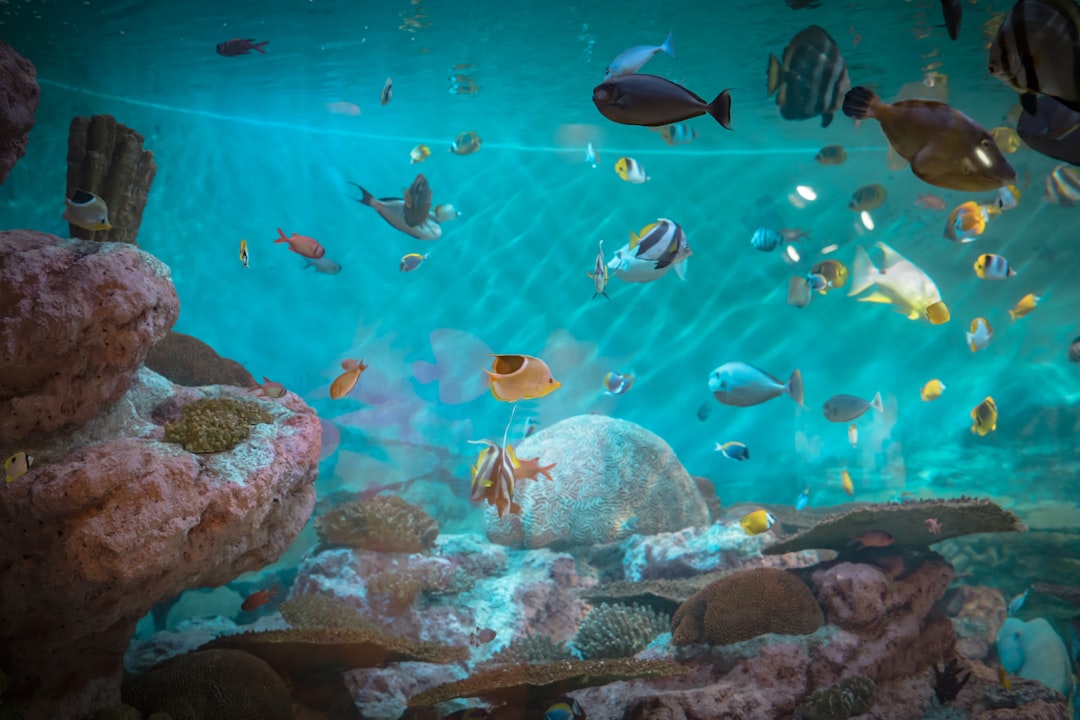
Few corals divide reef hobbyists like the giant Rhodactis. The elephant ear mushroom looks like a soft, rippled saucer of velvet under blue light, yet a 20 cm specimen can fold over a sleeping firefish and digest it overnight. That paradox of beauty and predation makes Rhodactis mussoides and Rhodactis inchoata some of the most asked-about corallimorphs at Gensou Aquascaping at 5 Everton Park. This guide explains where to place them, what they eat, and which tank mates simply do not survive the introduction.
Identifying True Elephant Ears
Pet shops sometimes sell smaller hairy mushrooms as elephant ears, but the genuine article belongs to Rhodactis and grows past 25 cm across in mature specimens. Look for the dimpled, brain-like surface texture and the funnel-shaped folding behaviour when the polyp wants to feed. Colour ranges from olive green and metallic teal to rust orange and the prized blue-spotted morph that fetches SGD 180-280 per disc in Singapore.
Lighting Tier and Placement
These corallimorphs sit firmly in the low-to-medium light tier, around 80-180 µmol PAR. Park them on the sand bed or low rockwork shelves where SPS would burn. Strong illumination bleaches the green pigment and triggers shrinkage within days. Under a Kessil A360X dialled to 40 per cent intensity at 50 cm height, an elephant ear opens to its full diameter and shows the iridescent ring around the mouth.
Flow Preferences
Elephant ears want gentle, indirect flow — strong enough to drift detritus off the disc but never enough to fold the edges upward. A small Tunze 6020 or low-setting Maxspect Gyre on pulse mode works well. Position the coral in a flow shadow created by aquascape rockwork. Browse the aquarium equipment range for compact wavemakers suited to a 100-200 litre nano reef.
The Fish-Eating Reputation
Yes, large Rhodactis genuinely consume fish. The disc folds into a purse over any creature that lands on it during sleep — most commonly small wrasses, gobies and even juvenile clownfish that flop into the polyp at night. The mucus is mildly stinging rather than razor-sharp, but the muscular contraction is irresistible once it closes. Anything under 5 cm body length is at risk near a 15 cm or larger elephant ear.
Feeding for Growth and Colour
Spot-feed once or twice weekly with chopped silversides, mysis or a meaty pellet. The disc contracts around the food within minutes, and a well-fed Rhodactis daughters off new buds along the foot every six to eight weeks. Skip continuous broadcast feeding — phosphate creep dulls the colour. Reef Roids and oyster feast products from the marine and saltwater range work well as a once-weekly treat.
Aggression Toward Neighbours
Although Rhodactis lacks long sweeper tentacles, the disc itself walks slowly across rockwork over weeks and smothers anything in its path. Allow 8-10 cm clearance from torch coral, hammers and zoanthid colonies. Pairing two different elephant ear colour morphs side by side often results in one out-competing the other within four months.
Water Parameters and Stability
Standard reef numbers suit them: salinity 1.025, alkalinity 8-9 dKH, calcium 420-440 ppm, magnesium 1320-1380 ppm, nitrate 5-15 ppm, phosphate 0.05-0.10 ppm. They tolerate slightly dirtier nutrient profiles than SPS but hate sudden swings. Use quality salt and an RODI top-up routine — the water care range covers both. Singapore ambient temperatures suit 25-26°C with a chiller; warmer than 27°C accelerates polyp recession.
Tank Mates and Compatibility
Anything bigger than 6 cm and a confident swimmer is fine — tangs, larger wrasses, dwarf angels. Avoid sleeping fish that rest on the substrate where the disc lives. Cleaner shrimp generally avoid the mucus, but peppermint shrimp occasionally graze and get stuck. Aquamarin and Iwarna in Singapore both stock juvenile Rhodactis frags around SGD 60-90 — start small to learn the species before committing to a show-piece disc.
Propagation by Foot Cutting
Elephant ears are among the easiest LPS-adjacent corals to frag. Cut a 2 cm wedge off the foot using a sterile scalpel, place it on a frag plug with a coarse rubble surface, and rest it in a low-flow corner of the sump. New mouths form within three weeks. Use cyanoacrylate glue and a clean blade to minimise infection risk. Many local hobbyists trade Rhodactis cuttings via Carousell at SGD 25-50 per disc.
Related Reading



